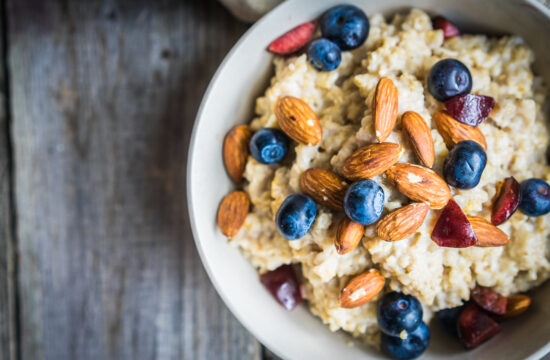

Healthy” isn’t a number on a scale or the count on a nutrition label. It’s the daily experience of food that fuels you, satisfies you, and keeps you living well. Redefining healthy starts with prioritizing food quality and the way meals make you feel. Fresh vegetables, whole grains, lean proteins, and minimally processed ingredients deliver vitamins, fiber, and satiety in ways empty calorie swaps never will. But satisfaction matters just as much: a diet that leaves you craving, miserable, or deprived won’t stick. Choose foods you genuinely enjoy and prepare them in ways that feel indulgent without derailing progress.
Need a Strong Nutrition Boost for Your Diet? Take a Look...

Tailor-made nutrition rejects one-size-fits-all rules. Your age, activity level, sleep, stress, preferences, and even genetics all shape what works best. Some people thrive on higher protein, others need more healthy fats, and many simply need practical carbohydrates timed around workouts or busy mornings. Start by experimenting with portion sizes and macro balances, then measure how energy, mood, and performance respond. Consult professionals when needed, but let your daily reality — family meals, work schedules, grocery access — guide the plan. A diet crafted around your life is easier to maintain than an idealized regimen that clashes with it.
Small behaviors compound. Habit architecture is about designing tiny, repeatable actions that steer decisions without constant willpower. Swap canned soup for a homemade batch you freeze in portions. Place fruit on the counter and cookies out of sight. Commit to two weeks of adding a vegetable to dinner every night; patterns often stick once momentum builds. These micro-habits create a scaffold: when the structure is automatic, big results follow quietly over months.
Rhythm and routine influence energy far more than most people realize. Meal timing affects blood sugar stability, performance, and hunger cues. Some find steady smaller meals keep focus and energy even; others prefer larger, planned windows like time-restricted eating to simplify choices. Match meal timing to your life — schedule protein-rich breakfasts if you exercise in the morning, pack a balanced lunch if afternoons are long, and avoid late-night heavy meals if sleep suffers. Flexibility is key: routines should serve your days, not imprison them.
Food lives in culture, family, and friendship. Navigating social plates means balancing connection with intention. Turn dinners into shared cooking sessions that honor tradition while tweaking recipes for health. Practice polite phrases for declining extra helpings or bring a dish you’re proud of to potlucks. Communicate goals with loved ones so celebrations don’t become stressors. Remember: food is social glue; preserve the joy while making choices aligned with your aims.

Sustainable systems replace short-term fixes. Use simple tools — a food journal, habit tracker, or a reliable app — to spot patterns, not to micromanage. Review progress monthly and set process-based goals (e.g., “eat vegetables with dinner five times a week”) rather than fixating on the scale. Build an environment that makes the healthy choice the easy choice and tighten the feedback loop with regular reflection. Over time, that system is what converts effort into enduring change.
Beyond calories lies a lifestyle: one that respects quality, personal context, small consistent habits, sensible timing, social realities, and systems built to last. When your diet fits your life, staying healthy becomes less about restriction and more about living well.
Related Content
- Mastering the Art of Sustainable Eating: Proven Dieting Tips That Last
- Ditch the Fad Diets: How to Find a Sustainable Diet That Actually Works
- How to Stick to a Diet Plan Without Feeling Deprived or Overwhelmed
- How to Stick to Your Diet During the Holidays (and Still Enjoy Them
- How to Lose Weight Naturally with a Keto Diet