
Need a Strong Nutrition Boost for Your Diet? Take a Look...
- 1. Embrace Whole Foods and Minimal Processing
- 2. Prioritize Protein Intake
- 3. Incorporate Intermittent Fasting Strategies
- 4. Focus on Consistent Hydration
- 5. Reduce Processed and Sugary Foods
- 6. Balance Macronutrients for Sustainable Fat Loss
- 7. Monitor Portion Sizes and Mindful Eating
- 8. Leverage Technology and Apps for Accountability
- 9. Prioritize Sleep and Stress Management
- 10. Create a Personalized and Flexible Diet Plan
1. Embrace Whole Foods and Minimal Processing
Understanding Whole Foods
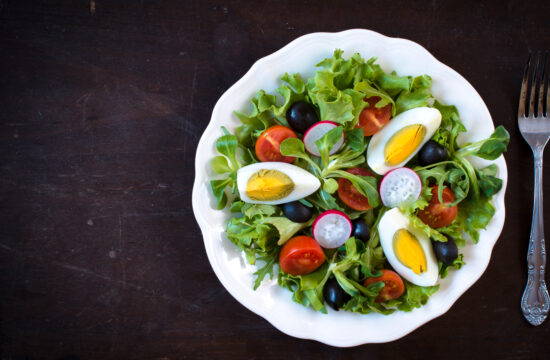
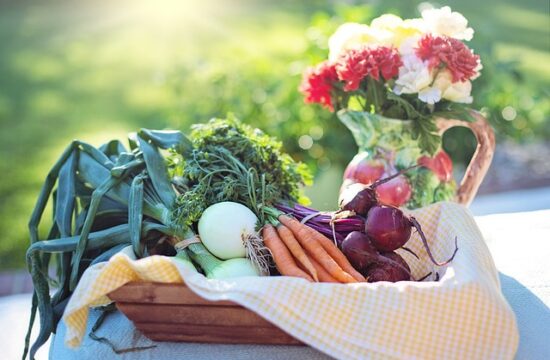
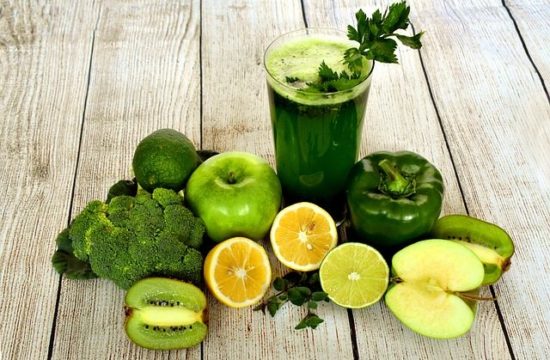
The foundation of the best diet for weight loss in 2025 starts with prioritizing whole foods. These are foods that are minimally processed and close to their natural state, such as fresh vegetables, fruits, lean meats, and nuts. They tend to be rich in nutrients and fiber, which help keep you full longer and support healthy digestion. Incorporating more whole foods into your daily routine reduces the intake of empty calories often found in processed snacks and fast foods.
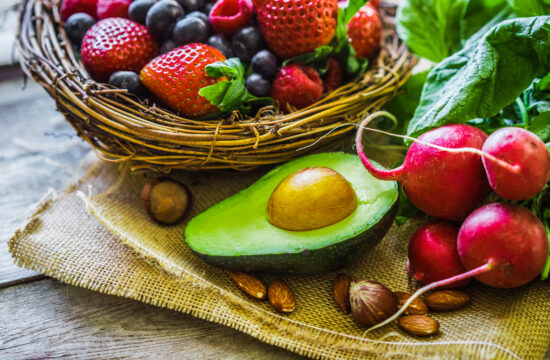
For example, swapping out packaged snacks with fresh berries or raw almonds can significantly improve your nutrient intake. Data from recent studies shows that diets rich in whole foods are linked to better weight management and improved metabolic health. This year, experts emphasize that aligning your diet with whole, unprocessed ingredients is more effective than ever in achieving sustainable weight loss.
Why Minimize Processed Foods?
Processed foods often contain hidden sugars, unhealthy fats, and artificial additives that can sabotage weight loss efforts. They are designed to be highly palatable, leading to overeating. By reducing your reliance on processed foods, you naturally decrease calorie consumption and improve overall health.
Practical tip: shop the perimeter of your grocery storeâwhere fresh produce, meats, and dairy are typically locatedâand avoid the aisles with packaged snacks. Planning your meals around whole foods ensures you’re fueling your body optimally in 2025.
2. Prioritize Protein Intake
How Protein Aids in Weight Loss
In 2025, increasing your protein intake remains one of the most effective tips for the best diet for weight loss. Protein helps preserve lean muscle mass during weight loss, which is crucial because muscle tissue burns more calories even at rest. Additionally, protein-rich foods boost feelings of fullness, reducing overall calorie intake.
Studies indicate that diets high in protein can increase metabolic rate by 15-30%. This year, incorporating sources like eggs, lean poultry, fish, legumes, and plant-based proteins can make a significant difference in your weight loss journey.
Optimal Protein Targets
The general recommendation for active individuals aiming for weight reduction is about 1.2 to 2.0 grams of protein per kilogram of body weight daily. For example, a person weighing 70 kg should aim for 84-140 grams of protein per day. Adjust these numbers based on your activity level, age, and dietary preferences.
Getting protein from a variety of sources ensures you’re also benefiting from diverse nutrients. Consider adding Greek yogurt, tofu, and quinoa into your meals for a balanced approach to the best diet for weight loss in 2025.
3. Incorporate Intermittent Fasting Strategies
What is Intermittent Fasting?
Intermittent fasting (IF) continues to be a popular trend in 2025 for the best diet for weight loss. It involves cycling between periods of eating and fasting, which can help reduce calorie intake and improve metabolic health. Common methods include the 16/8 method, where you fast for 16 hours and eat during an 8-hour window.
Many find that IF simplifies meal planning and reduces late-night snacking, which can sabotage weight loss efforts. Research suggests that intermittent fasting can lead to an effective reduction in body fat while preserving muscle mass.
Getting Started with IF
If you’re new to intermittent fasting, start gradually, for example, by delaying breakfast or skipping dinner a few days a week. Ensure that during your eating windows, your meals are nutrient-dense and balanced. Listen to your body and consult healthcare providers if you have underlying health issues.
In 2025, combining intermittent fasting with a well-rounded, best diet for weight loss plan can optimize results. Combining these strategies allows you to better control calorie intake and stabilize blood sugar levels.
4. Focus on Consistent Hydration
The Role of Water in Weight Loss
Maintaining proper hydration is a simple yet often overlooked part of the best diet for weight loss in 2025. Drinking enough water helps regulate appetite, improve digestion, and support metabolic functions. Sometimes, feelings of hunger are actually signs of dehydration.
Studies show that drinking a glass of water before meals can reduce calorie intake by 13%, aiding in weight management. Aim for at least 8-10 cups of water daily, increasing if youâre physically active or in hot climates.
Smart Hydration Tips
Flavor your water with slices of lemon, cucumber, or herbs to make it more appealing. Limit sugary drinks and sodas, which provide empty calories that undermine your efforts. Set reminders or use apps to track your daily water intake as part of your 2025 weight loss strategy.
5. Reduce Processed and Sugary Foods
The Impact of Sugar on Weight Management
Excessive sugar consumption is a main culprit behind weight gain, especially in 2025 with the rise of calorie-dense processed snacks. Cutting back on sugary foodsâlike candies, pastries, and sugary drinksâcan dramatically improve your weight loss results on the best diet for weight loss.
Research indicates that added sugars contribute to increased visceral fat and insulin resistance. Instead, opt for naturally sweet options like fresh fruits or small amounts of honey.
Good HealthY DIETING Solution is Easier Than Most People Think!
Take a Look for Yourself!
Practical Ways to Cut Sugar
Read labels carefully to identify hidden sugars in packaged foods. Gradually reduce your intake to avoid cravings and withdrawal symptoms. Choose whole, unprocessed snacks, and satisfy sweet cravings with high-fiber fruits like apples or berries. Staying consistent in 2025 ensures you’re on the path to healthier weight management.
6. Balance Macronutrients for Sustainable Fat Loss
Understanding Macronutrient Ratios
Finding the right balance of proteins, fats, and carbohydrates is crucial for the best diet for weight loss in 2025. No one-size-fits-all approach exists, but most effective plans emphasize moderate carbohydrate intake, sufficient protein, and healthy fats.
For example, a common macro split might be 40% carbs, 30% protein, and 30% fats. Adjusting these based on your personal tolerance and activity level can optimize fat loss and energy levels.
Customizing Your Diet
Create a meal plan that fits your lifestyle but prioritizes whole foods and nutrient density. Consider tracking your macros using apps to stay on course. Remember, consistency and moderation are key in sustaining weight loss results in 2025.
7. Monitor Portion Sizes and Mindful Eating
Why Portion Control Matters
Even healthy foods can hinder weight loss if eaten in large quantities. Portion control is a cornerstone of the best diet for weight loss in 2025. Eating mindfully allows you to enjoy your food and recognize your body’s hunger signals.
Use smaller plates, measure servings, and avoid eating straight from packages. Combining mindfulness with portion awareness helps prevent overeating and supports gradual, sustainable weight loss.
Tips for Practicing Mindful Eating
Eat slowly, savor each bite, and avoid distractions like TV or smartphones during meals. Pay attention to your body’s fullness cues and stop eating when satisfied, not stuffed. These habits can lead to better control over your calorie intake this year.
8. Leverage Technology and Apps for Accountability
Using Apps to Track Progress
Smartphones and apps are powerful tools in 2025 to help you discover the best diet for weight loss. Calorie counters, workout trackers, and meal planning apps can increase accountability and make your journey more manageable.
Logging food intake and activity levels provides insights into your habits, helping you identify areas for improvement. Many apps also include social support features, encouraging motivation among users.
Best Apps for 2025
Look for user-friendly apps that sync with your devices, have good community support, and provide personalized feedback. Examples include MyFitnessPal, Lose It!, or Fitbit. Regularly updating your data keeps you on track and motivated to reach your 2025 weight loss goals.
9. Prioritize Sleep and Stress Management
Connection Between Sleep, Stress, and Weight
Sleep deprivation and chronic stress can hinder the best diet for weight loss by altering hormones that regulate hunger and satiety, like ghrelin and leptin. In 2025, managing these factors is vital for effective weight control.
Research consistently shows that adults who sleep less than 6 hours nightly are more prone to weight gain and metabolic issues. Likewise, high stress levels lead to emotional eating and cravings for unhealthy foods.
Strategies for Better Sleep and Stress Relief
Establish a relaxing bedtime routine, limit screen time before sleep, and aim for 7-9 hours nightly. Practice mindfulness, meditation, or gentle yoga to reduce stress. Incorporating these habits makes your weight loss journey more sustainable this year.
10. Create a Personalized and Flexible Diet Plan
The Importance of Customization
Every individual is different, and the best diet for weight loss in 2025 is one tailored to your preferences, lifestyle, and health conditions. Flexibility encourages adherence and reduces feelings of deprivation.
Experiment with different eating patterns, foods, and meal timing to find what works best for you. A personalized plan increases the likelihood of long-term success and enjoyment.
Seeking Professional Support
Consult with registered dietitians or nutritionists to develop an individualized plan based on your goals. Use online assessments or coaching to remain accountable and adjust your diet as needed throughout 2025.
Conclusion
Finding the best diet for weight loss in 2025 involves a combination of informed choices, consistency, and personalization. By embracing whole foods, prioritizing protein, incorporating intermittent fasting, and leveraging technology, you set yourself up for success. Remember, sustainable weight loss is about making gradual, healthy changes that fit your lifestyle. Stay committed, be flexible, and keep your focus on health rather than just numbers. With these 10 tips, you’ll be well on your way to achieving your weight management goals this year and beyond.
Frequently Asked Questions
- 1. What is the best diet for weight loss in 2025?
- The best diet for weight loss in 2025 is personalized but generally emphasizes whole, unprocessed foods, balanced macronutrients, and sustainable habits like regular exercise, adequate sleep, and stress management.
- 2. How effective is intermittent fasting for weight loss?
- Intermittent fasting can be highly effective for weight loss by reducing calorie intake and improving metabolic health, especially when combined with a balanced diet.
- 3. How many calories should I eat to lose weight?
- This varies based on individual factors, but generally, creating a calorie deficit of 500-750 calories per day leads to safe, steady weight loss. Consult a dietitian for personalized guidance.
- 4. Can I really lose weight without exercising?
- While diet plays a major role, incorporating physical activity accelerates weight loss and improves overall health. A combination of diet and exercise yields the best results.
- 5. What are some beginner-friendly tips for starting the best diet for weight loss?
- Start by reducing processed foods, increasing water intake, and focusing on whole foods. Track your meals and set realistic, achievable goals. Seek support from professionals or online communities.
Good HealthY DIETING Solution is Easier Than Most People Think!
Take a Look for Yourself!
Related Content
- Navigating the Challenges of Eating Out on a Diet
- Making Exercise Support Your Diet Goals
- Master the Art of Healthy Eating: Achieve Your Goals Without Counting Calories
- Why Diets Fail (and How You Can Succeed): The Science Behind Weight Loss
- The Inflammation-Weight Connection Every Menopausal Woman Needs to Know