
Need a Strong Nutrition Boost for Your Diet? Take a Look...
- 1. Understanding the Basics of a Balanced Diet for Weight Loss
- 2. Setting Realistic Weight Loss Goals
- 3. Incorporating Lean Proteins Effectively
- 4. The Role of Whole Grains in Your Diet
- 5. Including Healthy Fats for Optimal Results
- 2025. Maintaining Your Balanced Diet for Long-Term Success
1. Understanding the Basics of a Balanced Diet for Weight Loss
What Constitutes a Balanced Diet?
A balanced diet for weight loss involves consuming a variety of foods that provide essential nutrients your body needs to function efficiently. In 2025, itâs about more than counting caloriesâit’s about nutrient quality and food diversity. A good rule of thumb is to include fruits, vegetables, lean proteins, whole grains, and healthy fats in your daily intake.
This combination supports metabolic health, maintains muscle mass, and prevents nutritional deficiencies. For example, including leafy greens like spinach or kale provides vital vitamins, while lean meats or plant-based proteins supply necessary amino acids for muscle repair and overall health.
Research from 2025 shows that individuals following a nutrient-dense, balanced diet tend to lose weight more sustainably than those relying solely on calorie restriction. This emphasizes that the quality of your food choices plays a crucial role in weight management.
Why Is It Important to Balance Macronutrients?
Macronutrientsâcarbohydrates, proteins, and fatsâare the building blocks of a healthy diet. Achieving the right balance helps control hunger, regulate blood sugar, and boost energy levels. Specifically, for weight loss, maintaining a balanced ratio prevents overeating and keeps metabolism active.
In 2025, dietary guidelines suggest that around 45-65% of daily calories come from carbs, 10-35% from fats, and 20-35% from proteins. Adjustments can be made based on individual health needs and activity levels. For instance, active individuals might require higher protein intake to support muscle recovery.
Understanding how these macronutrients interact helps you craft a diet that promotes fat loss without sacrificing energy or health. Incorporating high-fiber carbs and unsaturated fats, for example, can enhance satiety and overall satisfaction in your diet plan.
2. Setting Realistic Weight Loss Goals
Why Goal Setting Matters
Effective weight loss begins with setting achievable goals. In 2025, experts emphasize SMART goalsâSpecific, Measurable, Attainable, Relevant, and Time-bound. This not only keeps you motivated but also creates a clear roadmap to success.
For example, aiming to lose 1-2 pounds per week is a realistic target supported by research. This gradual approach reduces the risk of muscle loss, nutritional deficiencies, and discouragement. Itâs important to recognize that weight loss isnât linearâit involves fluctuations and plateaus.
Documenting your progress with a journal or app can help you stay accountable. Celebrate small milestones along the way, like improving energy levels or fitting into a favorite pair of jeans.
Adapting Your Goals Over Time
In 2025, it’s acknowledged that goals may need adjustment as you progress. If you notice your initial target feels too easy or too hard, recalibrate. Flexibility keeps you motivated and prevents frustration.
For example, if after a month you arenât seeing the scale move, consider revisiting your calorie intake or exercise routine. Sometimes, small tweaks can make a big difference in maintaining momentum.
Remember, the focus should be on creating sustainable habits. A balanced diet for weight loss is not just a short-term fix but a lifestyle change that adapts with your evolving needs.
3. Incorporating Lean Proteins Effectively
The Benefits of Lean Protein Sources
Lean proteins such as chicken breast, turkey, fish, and plant-based options like beans and lentils are fundamental to a balanced diet for weight loss. They are rich in amino acids, support muscle maintenance, and help increase satiety.
Research in 2025 points out that higher protein intake during weight loss helps preserve lean muscle tissue, which is crucial for maintaining metabolic rate. For example, consuming 20-30 grams of protein per meal can optimize muscle synthesis.
Additionally, lean proteins tend to be lower in calories and saturated fats compared to processed meats or fatty cuts, making them ideal choices for weight management.
Creative Ways to Add More Lean Protein
Incorporating lean proteins into every meal can be straightforward. Grilled chicken salads, fish stir-fries, and plant-based curries are delicious options. Meal prepping for the week not only saves time but ensures consistent protein intake.
Another tip is to diversify your protein sourcesâtry different fish like salmon, mackerel, or cod for variety and omega-3 benefits. Incorporate plant-based proteins like tofu or tempeh for added fiber and nutritional diversity.
In 2025, using herbs, spices, and healthy cooking methods like baking, steaming, or grilling can enhance flavor without adding unnecessary calories or fats.
4. The Role of Whole Grains in Your Diet
Why Choose Whole Grains?
Whole grains like oats, brown rice, quinoa, and whole wheat bread are rich in fiber, vitamins, and minerals. They provide slow-digesting carbs that help control blood sugar levels and improve satiety, which is vital for weight loss.
Studies in 2025 show that replacing refined grains with whole grains can contribute to a reduction in body weight and fat mass. The fiber content also aids digestive health and reduces cholesterol.
Incorporating whole grains into your meals is easyâswap white rice for quinoa, enjoy oatmeal for breakfast, or choose whole wheat bread for sandwiches. These small changes can significantly impact your overall diet quality.
Support Your Weight Loss Goals
Huge Discount on the Best Certified Organic Nutrient Dense Supplement!

Tips for Including More Whole Grains
Start your day with oatmeal topped with fresh berries and nuts for added flavor and nutrients. When cooking, aim to choose whole grain options and read labels carefully to avoid processed products with added sugars and preservatives.
Cooking grains in advance allows for quick meal assembly and helps you stick to your diet plan. Experiment with lesser-known whole grains like farro or millet to keep things interesting.
Remember, consistency is keyâmake whole grains a staple part of your daily meals and snacks for sustainable weight loss.
5. Including Healthy Fats for Optimal Results
Types of Healthy Fats
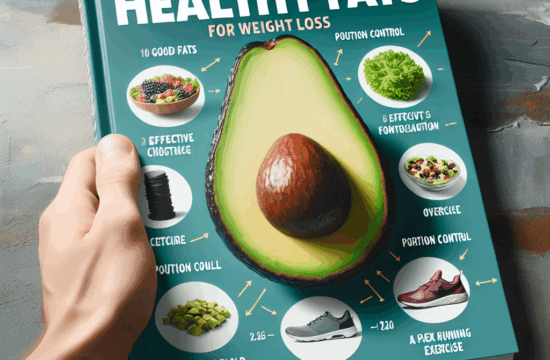
Healthy fats such as avocados, nuts, seeds, and olive oil are essential components of a balanced diet for weight loss. They support brain health, hormone production, and help absorb fat-soluble vitamins.
In 2025, evidence continues to endorse the inclusion of monounsaturated and polyunsaturated fats while limiting trans fats and excessive saturated fats. For example, replacing butter with olive oil or incorporating walnuts into salads boosts nutrient quality.
Consuming healthy fats in moderation can help you feel full longer, reducing overeating and aiding weight control efforts.
Smart Ways to Incorporate Healthy Fats
Add slices of avocado to breakfast toast or salads for creaminess and nutrition. Snack on a handful of mixed nuts, but watch portion sizes. Use olive oil for dressings and cooking to maximize health benefits.
Including omega-3 rich sources like fatty fish twice weekly can further enhance your diet. Remember, fats are calorie-dense, so mindful portion control is essential.
In 2025, focus on whole, minimally processed fats to support your weight loss journeyâhealthy fats are definitely a crucial part of a balanced diet for weight loss.
2025. Maintaining Your Balanced Diet for Long-Term Success
Adapting Your Diet Over Time
Long-term success with a balanced diet for weight loss requires flexibility. Life circumstances changeânew work schedules, health issues, or agingâand your diet should adapt accordingly.
In 2025, regular self-assessment helps you stay on track. Use food logs, progress photos, and health metrics such as waist circumference or body fat percentage to monitor your habits.
Continuing education about nutrition trends ensures you keep your diet varied, enjoyable, and sustainable. Balanced eating habits become second nature when aligned with your lifestyle.
Strategies to Sustain Your Healthy Lifestyle
Prioritize meal planning and batch cooking to prevent impulsive choices. Incorporate social supportâjoin groups or find a diet buddy to stay motivated.
Remember, maintaining a balanced diet for weight loss isnât about perfectionâit’s about consistency and making better choices most of the time. Reward yourself wisely for sticking to your goals.
Finally, always listen to your bodyâs cues and consult with nutrition professionals when needed. These practices ensure your diet for 2025 remains effective and enjoyable.
Frequently Asked Questions
1. What is a balanced diet for weight loss?
A balanced diet for weight loss involves consuming nutrient-rich foods from all food groups in appropriate proportions to support fat loss while maintaining good health.
2. How can I start implementing a balanced diet for weight loss in 2025?
Begin by assessing your current eating habits, setting realistic goals, and gradually replacing processed foods with whole, nutrient-dense options. Prioritize portion control and variety.
3. Why is a balanced diet for weight loss more effective than calorie counting alone?
Because it emphasizes overall nutritional quality, helping to preserve muscle, reduce hunger, and sustain energy levels, making weight loss more sustainable over time.
4. How do I maintain my progress after losing weight?
Focus on long-term lifestyle changes, including balanced eating, regular physical activity, and periodic self-assessment. Flexibility and consistency are key for sustained success.
Conclusion
In 2025, embracing a balanced diet for weight loss remains one of the most effective strategies for achieving and maintaining your health goals. Combining nutrient-rich foods, realistic planning, and flexible habits creates sustainable results. Remember, the key is not just quick fixes but adopting lifelong healthy eating patterns that prioritize quality and variety. By following these principles, you will set yourself up for a healthier, happier future.
Huge Discount on the Best Certified Organic Nutrient Dense Supplement!