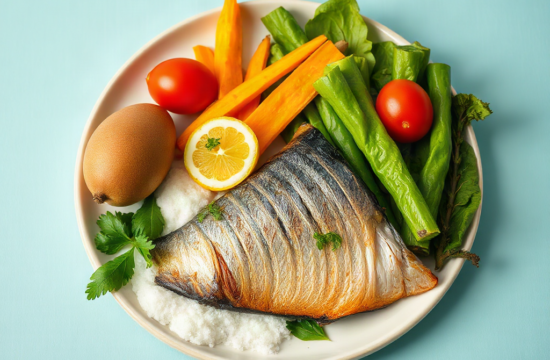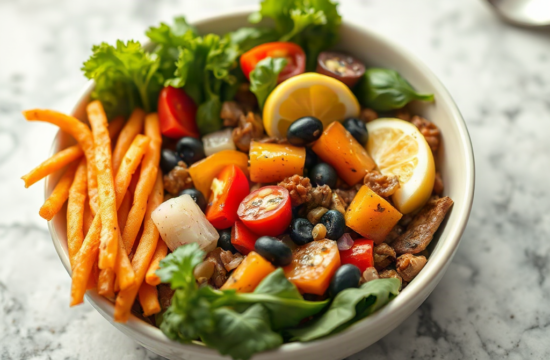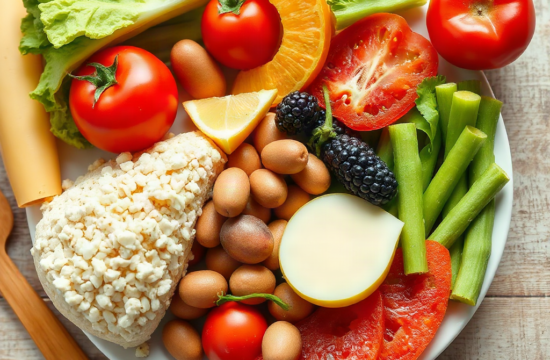

Whole foods, such as fruits, vegetables, whole grains, and lean proteins, are nutrient-dense and help maintain energy levels while supporting metabolism. Additionally, staying hydrated can enhance digestion and reduce the temptation to snack unnecessarily.
Moreover, understanding the importance of macronutrients—proteins, fats, and carbohydrates—can help you create meals that support your energy needs while promoting fat loss.
The Role of Whole Foods in Dieting
Whole foods are essential for effective dieting as they provide the nutrients your body needs without excess calories. Foods like vegetables, fruits, whole grains, and lean proteins support metabolic processes and help maintain energy levels. Incorporating a variety of these foods can also prevent nutrient deficiencies that often occur in restrictive diets.
When transitioning to a whole food diet, it’s important to gradually replace processed foods with healthier options. This can reduce cravings for sugar and unhealthy fats, leading to more sustainable eating habits. A common mistake is to focus too heavily on calorie counting without considering the quality of food consumed, which can lead to nutrient deficiencies and decreased energy.
Understanding Portion Control
Portion control is a critical component of successful dieting. By managing portion sizes, you can enjoy a variety of foods while still maintaining a caloric deficit necessary for weight loss. Using smaller plates, measuring servings, and being mindful of hunger cues can help you regulate your intake effectively.
Many dieters underestimate the impact of portion sizes on overall caloric intake. To avoid overeating, consider using visual aids or measuring tools to become more aware of appropriate serving sizes. Remember that even healthy foods can contribute to weight gain if consumed in excessive amounts.
The Importance of Hydration
Staying hydrated is often overlooked but is crucial for successful dieting. Proper hydration aids digestion and can help control hunger by signaling to the brain when you’re truly hungry versus just thirsty. Aim to drink at least 8 cups of water daily, adjusting for activity levels and environmental conditions.
Some dieters make the mistake of confusing thirst with hunger, leading to unnecessary snacking. To combat this, try drinking a glass of water before reaching for a snack. Additionally, incorporating hydrating foods like cucumbers and watermelon can contribute to your overall fluid intake.
Meal Planning Strategies
Effective meal planning can significantly enhance your dieting efforts. By preparing meals in advance, you can ensure that you have balanced, nutritious options available, which can help you avoid the temptation of unhealthy, convenient choices. Consider dedicating a specific day each week to plan and prepare meals.
When meal planning, focus on incorporating a variety of foods to keep meals interesting and satisfying. Aim for a balance of macronutrients in every meal, and don’t forget to include healthy snacks to maintain energy levels throughout the day. A common pitfall is neglecting to plan for snacks, leading to impulsive eating when hunger strikes.
Support Your Weight Loss Goals
Huge Discount on the Best Certified Organic Nutrient Dense Supplement!
Frequently Asked Questions
What are the best foods to include in a diet for weight loss?
Focus on whole foods like fruits, vegetables, lean proteins, and whole grains that are nutrient-dense and low in calories.
How can I control my portions effectively?
Using smaller plates, measuring food, and being mindful of hunger cues can help you manage your portion sizes better.
Why is hydration important for dieting?
Hydration aids digestion, can help control hunger, and prevents the confusion between thirst and hunger signals.
What are some meal planning tips for successful dieting?
Prepare meals in advance, incorporate a variety of foods, and ensure a balance of macronutrients to keep meals satisfying.
What common mistakes should I avoid when dieting?
Avoid focusing solely on calorie counting without considering food quality, and be cautious of fad diets that lack sustainability.
Conclusion
To achieve effective dieting results, prioritize whole foods, maintain portion control, and ensure proper hydration. Meal planning is essential for sustaining healthy eating habits, allowing you to avoid impulsive choices. Remember that each individual’s journey is unique, so focus on creating a balanced approach that works for you. Ultimately, by following these tips, you can improve your dieting results and promote long-term health.
Support Your Weight Loss Goals
HUGE DISCOUNT ON THE BEST CERTIFIED ORGANIC NUTRIENT DENSE SUPPLEMENT!
Related Content
- The Ultimate Intermittent Fasting Guide 2025: 10 Effective Tips to Transform Your Health
- How to Stick to a Diet Plan: Tips from People Who’ve Done it Successfully
- The Truth About Natural Detox and Weight Loss
- Tips To Lose The Extra Pounds For LIfe
- 10 Effective Weight Loss Diet Chart Strategies for 2025: The Ultimate Guide