Adapting to seasonal changes can also enhance your overall health and well-being. Not only does eating seasonally support local farmers, but it also ensures that you consume produce at its peak freshness and nutrient density.
By incorporating these foods, you not only enjoy better taste but also higher nutritional content. Adapting to seasonal changes can also enhance your overall health and well-being.
Understanding Seasonal Foods
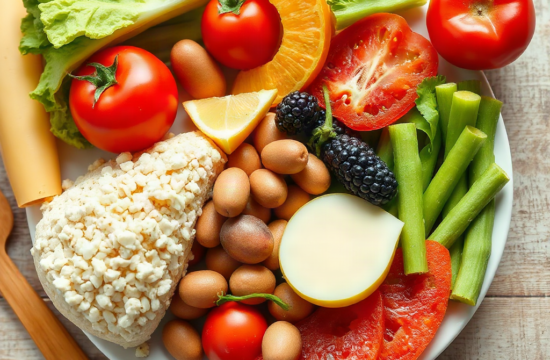
Choosing seasonal foods can significantly enhance the flavor and nutrient quality of your meals. In spring, look for leafy greens and vibrant fruits like strawberries, while summer is the time for tomatoes and zucchinis. Fall brings hearty vegetables such as pumpkins and apples, and winter is perfect for root vegetables like carrots and potatoes. By incorporating these foods, you not only enjoy better taste but also higher nutritional content.
Moreover, consuming seasonal foods can also reduce your carbon footprint, as these items are often grown locally and require less transportation. This practice supports local economies and promotes sustainable agriculture. However, one common pitfall is relying on out-of-season produce, which can be less flavorful and more expensive. Prioritize fresh, local options to make the most of your seasonal diet.
Adjusting Portion Sizes
Portion sizes should be adjusted according to the energy demands of each season. In warmer months, your body may require fewer calories as you tend to be more active and consume lighter meals. Conversely, during colder months, increasing your portion sizes can help meet your body’s need for more energy to maintain warmth and support metabolic processes.
Understanding your body’s nutritional needs in relation to seasonal changes can prevent overeating or undereating. During winter, for instance, you might crave comfort foods that are higher in calories. While it’s essential to enjoy these foods, be mindful of balance by incorporating lighter alternatives or adjusting your overall intake accordingly. Remember, moderation is key, especially during festive seasons.
Hydration Strategies for Each Season
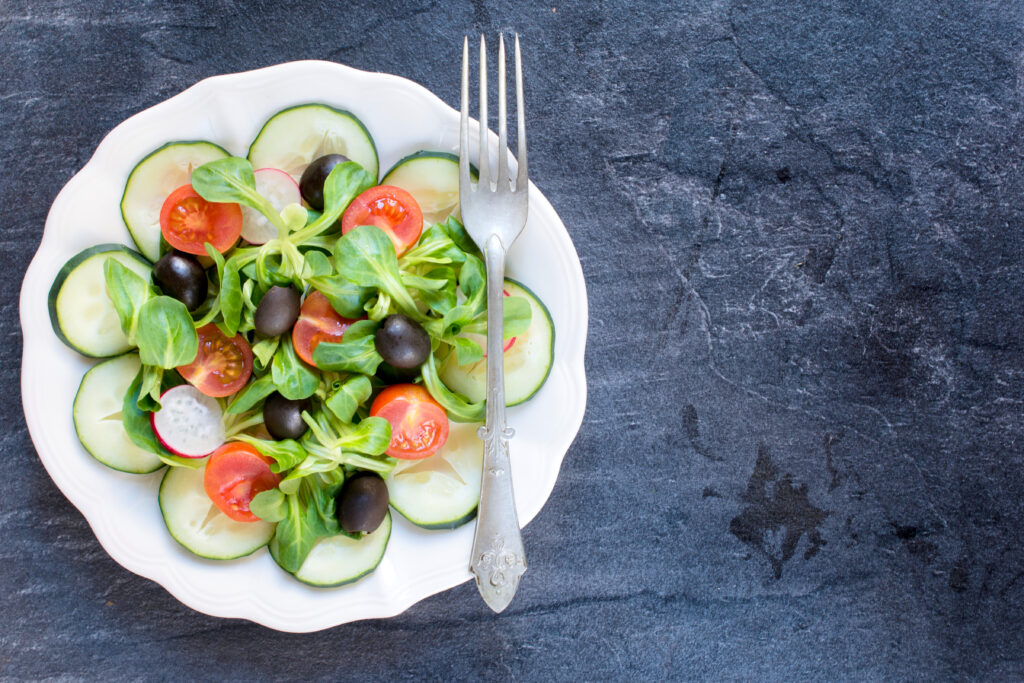
Hydration also plays a crucial role in adjusting your diet for different seasons. In hot weather, increasing fluid intake is vital to prevent dehydration. Focus on hydrating foods like cucumbers, tomatoes, and citrus fruits, which can help maintain hydration levels. In contrast, colder months may not prompt thirst as much, but staying hydrated is still essential, especially when consuming salty or hot foods.
To ensure proper hydration year-round, consider drinking herbal teas in winter and infusing water with fruits in summer. This variety not only keeps hydration interesting but also adds additional nutrients. A common mistake is underestimating hydration needs during colder months, leading to fatigue and decreased energy levels.
Frequently Asked Questions
Why is it important to adjust my diet with the seasons?
Adjusting your diet with the seasons helps maximize nutrient intake, supports local agriculture, and enhances the flavor of your meals.
How do seasonal foods affect my health?
Seasonal foods are often fresher and more nutrient-dense, which can improve your overall health and well-being.
What are some examples of winter foods?
Winter foods include root vegetables like carrots and potatoes, as well as hearty greens and seasonal fruits like citrus.
How can I ensure I eat seasonally?
Visit local farmers’ markets, check seasonal produce guides, and plan meals around what is available in your area.
Can I eat out-of-season foods?
While you can eat out-of-season foods, they may be less flavorful, more expensive, and less nutritious than seasonal options.
Conclusion
Incorporating seasonal foods into your diet offers numerous benefits, including enhanced flavor, better nutrition, and support for local agriculture. By adjusting portion sizes and remaining mindful of hydration, you can align your diet with the changing seasons effectively. Focus on what’s fresh and available in your area to ensure that your meals are not only delicious but also nutritionally balanced. Embrace the variety that each season brings, and make a conscious effort to adapt your eating habits accordingly.
Support Your Weight Loss Goals
HUGE DISCOUNT ON THE BEST CERTIFIED ORGANIC NUTRIENT DENSE SUPPLEMENT!
Related Content
- Does Skipping Meals Help or Hurt Weight Loss Goals: Understanding the Effects on Metabolism and Appetite Control
- Great Ways To Lose Some Weight For Summer
- What Portion Sizes Support Gradual Weight Loss? A Plate-Based Method With Everyday Examples
- How to Make a Smooth Transition to a Raw Food Diet
- The Role of Zinc in Diet and Health