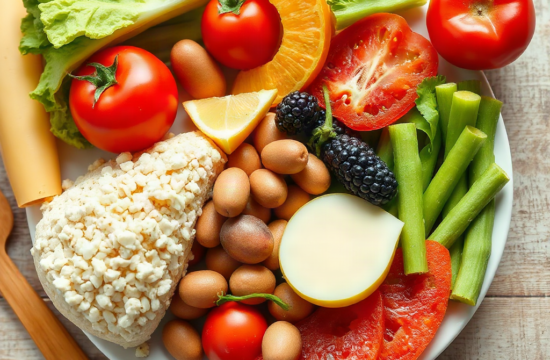

Understanding how sugar is labeled can significantly impact your dietary decisions. Ingredients like high fructose corn syrup, cane sugar, and honey may seem innocuous, but they contribute to your overall sugar intake. Many consumers mistakenly believe that all sugars are created equal; however, the body processes various sugars differently. For example, natural sugars found in fruits come with fiber, vitamins, and minerals, making them a healthier choice compared to added sugars in processed foods.
To effectively identify and reduce hidden sugars, start by thoroughly reading nutrition labels. Look beyond the total sugar content to see if sugars are added. Ingredients are listed in order of quantity, so if sugar appears among the first five ingredients, it is a significant component of that product. Furthermore, familiarize yourself with the various names that sugars can take. Terms like dextrose, maltose, and agave nectar all signify sugar, and recognizing these can help you make healthier choices.
To effectively identify and reduce hidden sugars, start by thoroughly reading nutrition labels. For example, natural sugars found in fruits come with fiber, vitamins, and minerals, making them a healthier choice compared to added sugars in processed foods.
Common Sources of Hidden Sugars
Many everyday foods contain hidden sugars that can accumulate quickly in your diet. Common culprits include condiments like ketchup and barbecue sauce, which can contain high amounts of sugar to enhance flavor. Additionally, breakfast cereals, even those labeled as healthy, often have added sugars to improve taste. Beverages, especially juices and sodas, are significant sources of hidden sugars, with many containing more sugar than one should consume in a day.
To combat this, consider preparing more meals at home where you can control the ingredients. For instance, making your own salad dressings or sauces allows you to eliminate unnecessary sugars. Understanding the common sources of hidden sugars can help you make better choices when shopping or dining out.
Strategies for Reducing Sugar Intake
Reducing sugar intake begins with awareness and proactive strategies. One effective method is to gradually decrease the amount of sugar you add to your meals and beverages. This could mean using less sugar in coffee or substituting sweeteners with spices like cinnamon for flavor. Another strategy is to replace sugary snacks with healthier alternatives, such as fruits, nuts, or yogurt without added sugars.
Engaging in meal prepping can also help you avoid impulsive purchases of sugary snacks. Planning your meals ensures that you have healthy options readily available, reducing the temptation to reach for high-sugar convenience foods. Consider keeping a food diary to track your sugar intake, which can help highlight areas for improvement.
The Impact of Sugar on Health
Excessive sugar consumption is linked to numerous health issues, including obesity, diabetes, and heart disease. Understanding the health risks associated with high sugar intake can motivate you to identify and reduce hidden sugars in your diet. Research has shown that high sugar diets can lead to insulin resistance, which is a precursor to type 2 diabetes.
Additionally, sugars can contribute to inflammation in the body, leading to further health complications. By managing your sugar intake, you can help mitigate these risks and promote better health outcomes. Prioritizing whole foods and being mindful of added sugars can significantly influence your long-term health.
Reading Labels Effectively
One of the most crucial skills in identifying hidden sugars is knowing how to read food labels effectively. Start by checking the nutrition facts panel for total sugars and added sugars, which provide insights into how much sugar is included in a product. Pay attention to serving sizes, as many products contain multiple servings, which can mislead you regarding the actual sugar content.
In addition to the nutrition facts, scrutinize the ingredient list. Ingredients are listed by weight, meaning that if sugar is listed among the first few ingredients, it is a major component of that product. Look out for synonyms of sugar, such as sucrose, fructose, and syrup. Familiarizing yourself with these terms will empower you to make healthier choices.
Support Your Weight Loss Goals
Huge Discount on the Best Certified Organic Nutrient Dense Supplement!
Frequently Asked Questions
What are hidden sugars?
Hidden sugars are sugars added to foods that are not immediately obvious, often found in processed items like sauces, snacks, and beverages.
How can I spot hidden sugars in food?
To spot hidden sugars, read food labels carefully, looking for sugar content and ingredient lists for terms like syrup, glucose, and fructose.
What health issues are linked to high sugar intake?
High sugar intake is linked to obesity, diabetes, heart disease, and inflammation, which can lead to serious health complications.
Can I reduce sugar without sacrificing taste?
Yes, you can reduce sugar by using natural flavor enhancers like spices, citrus, and extracts, which can add taste without added sugars.
Are all sugars the same?
No, not all sugars are the same; natural sugars in fruits come with nutrients, while added sugars in processed foods can lead to health issues.
Conclusion
Identifying hidden sugars in your diet is a crucial step toward better health and wellness. By understanding where these sugars are commonly found and how they can impact your health, you can take proactive measures to reduce their intake. Prioritize reading labels, opting for whole foods, and exploring healthier alternatives to sugary snacks. Making these changes can lead to improved health outcomes and a more balanced diet. Start today by being more aware of your food choices to maintain a healthier lifestyle.
Support Your Weight Loss Goals
HUGE DISCOUNT ON THE BEST CERTIFIED ORGANIC NUTRIENT DENSE SUPPLEMENT!
Related Content
- Calorie Deficit Mistakes That Hinder Progress: Common Pitfalls and Effective Solutions
- What Happens When You Stop Dieting After Losing Weight: Common Outcomes and Long-Term Effects
- Unlock Your Potential: Effective Ways to Achieve Weight Loss Without Strict Meal Plans
- Boost Metabolism with These Natural Diet Tips
- Weight Loss Tips That Fit Any Lifestyle: Practical Steps and Everyday Strategies