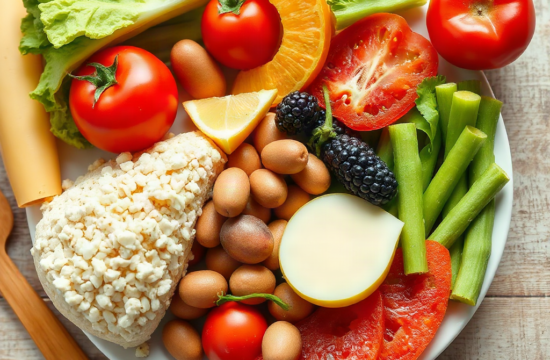
Understanding the principles behind a sustainable diet is crucial for making informed choices. Many people mistakenly believe that a sustainable diet is synonymous with strict vegetarianism or veganism. However, it is possible to incorporate some animal products in moderation while still prioritizing sustainability. The key is to focus on quality over quantity, choosing organic and grass-fed options when available, and ensuring that the majority of your meals consist of fruits, vegetables, whole grains, and legumes.
Common pitfalls include relying too heavily on processed foods or overlooking the importance of variety in your diet. A truly sustainable eating pattern should be diverse, incorporating different food groups and flavors to ensure nutritional adequacy and enjoyment. Prioritizing seasonal produce not only enhances flavor but also supports local farmers and reduces transportation emissions.
Understanding Sustainable Diets
A sustainable diet is one that meets your nutritional needs without compromising the ability of future generations to meet theirs. It emphasizes not only health benefits but also environmental sustainability, social equity, and economic viability. This concept encompasses a wide range of dietary patterns, from plant-based diets to those that include responsibly sourced animal products.
To truly embrace sustainability, it’s important to recognize the impact of food choices on climate change, biodiversity, and natural resources. For instance, the production of meat and dairy has a significantly higher environmental footprint compared to plant-based foods. Therefore, reducing meat intake and opting for sustainable seafood can drastically lower your dietary environmental impact.
Moreover, understanding local food systems can enhance dietary sustainability. Supporting local farmers and producers helps reduce transportation emissions and fosters community resilience. By choosing to shop at farmers’ markets or joining a community-supported agriculture (CSA) program, consumers can directly contribute to a more sustainable food economy.
Key Components of a Sustainable Diet
Several key components define a sustainable diet, including the emphasis on plant-based foods, local sourcing, and minimal processing. A diet rich in fruits, vegetables, whole grains, legumes, nuts, and seeds is not only nutritious but also has a lower environmental impact compared to one heavy in animal products.
Incorporating a variety of foods is essential for both health and sustainability. It ensures a balance of nutrients while also supporting biodiversity in agriculture. For example, rotating crops and diversifying food sources can enhance soil health and reduce reliance on chemical fertilizers and pesticides.
Additionally, reducing food waste is a critical aspect of sustainability. Planning meals, using leftovers creatively, and composting can significantly minimize waste and contribute to a more efficient food system. Prioritizing foods with a longer shelf life, such as dried beans and grains, can also help reduce spoilage.
Practical Steps to Implement
Implementing a sustainable diet can be achieved through several practical steps. Start by assessing your current eating habits and identifying areas for improvement. Gradually incorporate more plant-based meals into your week, aiming for at least a few meatless days.
Shopping locally and seasonally is another effective strategy. Research what fruits and vegetables are in season in your area and plan your meals around those options. This not only supports local economies but also ensures that you are consuming fresher, more flavorful produce.
Support Your Weight Loss Goals
Huge Discount on the Best Certified Organic Nutrient Dense Supplement!
Meal prep can also play a significant role in reducing waste and promoting sustainability. By preparing meals in advance and using ingredients efficiently, you can minimize the likelihood of spoilage and ensure that you are making the most of your purchases.
Common Mistakes to Avoid
Transitioning to a sustainable diet can come with its challenges, and many individuals make common mistakes along the way. One of the biggest pitfalls is assuming that organic means sustainable. While organic farming practices are beneficial, they do not always guarantee lower environmental impact, especially if the products are imported from far away.
Another mistake is focusing too heavily on one type of food or nutrient. For example, overemphasizing protein can lead to excessive meat consumption, undermining the benefits of a plant-based diet. It’s important to balance nutrients and prioritize a wide range of foods to achieve true sustainability.
All in all, many people underestimate the importance of education. Staying informed about where food comes from, understanding agricultural practices, and being aware of environmental issues related to food production can empower consumers to make better choices.
Further Reading
For those interested in diving deeper into sustainable diets, consider exploring resources from local agricultural extensions, university publications, or reputable environmental organizations. These sources often provide practical tips and research-backed information to help navigate the complexities of sustainable eating.
Further Reading
Authoritative Sources
- MedlinePlus
medlineplus.govConsumer-friendly medical and health information from the U.S. National Library of Medicine.
- National Institutes of Health
nih.govResearch-based health information and links to authoritative medical resources.
- Centers for Disease Control and Prevention
cdc.govOfficial public health guidance, prevention resources, and topic-specific recommendations.
- Mayo Clinic
mayoclinic.orgTrusted clinical guidance, symptom explainers, and treatment overviews.
- World Health Organization
who.intGlobal health guidance, fact sheets, and evidence-based public health information.
Frequently Asked Questions
What are the main benefits of a sustainable diet?
A sustainable diet promotes better health, reduces environmental impact, and supports local economies by prioritizing whole, minimally processed foods.
How can I start transitioning to a sustainable diet?
Begin by incorporating more plant-based meals, shopping locally, and minimizing food waste through meal planning and storage.
Are all organic foods sustainable?
No, while organic farming practices are beneficial, they do not always guarantee sustainability, especially if the products are imported from far away.
What are some common mistakes when adopting a sustainable diet?
Common mistakes include focusing too heavily on one nutrient, assuming organic equals sustainable, and underestimating the importance of education on food sources.
How does food waste affect sustainability?
Food waste contributes to greenhouse gas emissions and represents a significant loss of resources. Reducing waste is crucial for a sustainable diet.
Conclusion
Building a sustainable diet is a multifaceted approach that requires conscious decision-making and an understanding of food sources. By prioritizing plant-based foods, shopping locally, and reducing waste, individuals can significantly lower their ecological footprint while enhancing their health. As you navigate this journey, remember that small, incremental changes can lead to lasting impacts, and staying informed will empower you to make better choices for both yourself and the planet.
Support Your Weight Loss Goals
HUGE DISCOUNT ON THE BEST CERTIFIED ORGANIC NUTRIENT DENSE SUPPLEMENT!
Related Content
- How to Approach Dieting for Long-Term Health Benefits
- Sustainable Strategies to Keep Off Weight for Good: Master How to Lose Weight Without Regaining It
- Get Serious About Weight Loss! Follow This Advice
- Follow These Tips For An Easy Way To Shed Pounds
- How Long Do Prepared Weight Loss Meals Stay Safe? Storage Times, Cooling Steps, And Reheating Checks