
Many people mistakenly believe that extreme dieting is the only way to lose weight. However, this often leads to yo-yo dieting and negative health effects. Instead, adopting a balanced approach that includes proper portion sizes, hydration, and mindful eating can lead to lasting results. It’s important to set realistic goals and understand that gradual weight loss is typically more sustainable than rapid loss. This mindset helps reduce frustration and disappointment.
Another common pitfall is neglecting the importance of a supportive environment. Surrounding yourself with individuals who encourage healthy habits can significantly impact your journey. Additionally, being aware of your emotional triggers for eating can help you develop strategies to cope without resorting to food. Prioritizing these aspects can lead to a healthier relationship with food and a better chance of long-term success.
Understanding Nutrition for Weight Loss
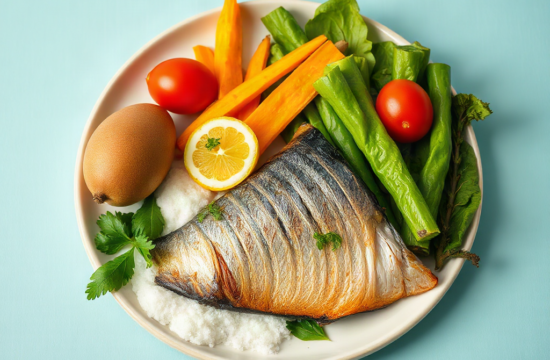
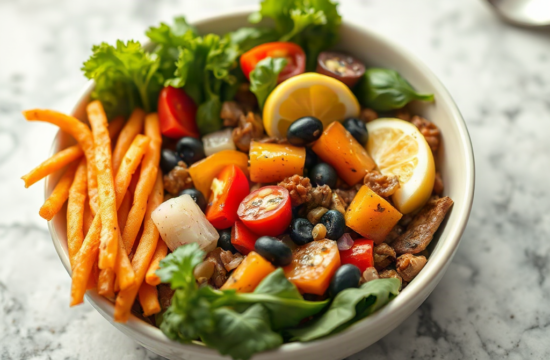
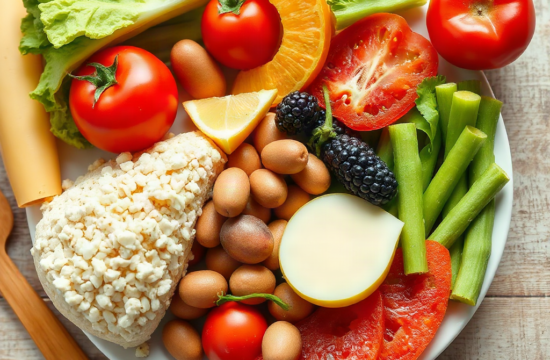
Nutrition plays a pivotal role in losing weight healthily. Emphasizing whole foods—like fruits, vegetables, whole grains, and lean proteins—helps ensure your body receives the necessary nutrients while keeping calorie intake in check. Avoiding processed foods high in sugar and unhealthy fats can significantly improve your weight loss journey.
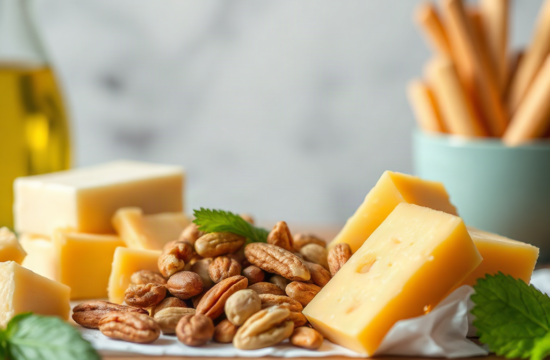
Moreover, understanding macronutrient balance is essential. For instance, including protein in every meal can help reduce hunger and promote muscle preservation during weight loss. Healthy fats, like those found in avocados and nuts, are also crucial for satiety. Prioritize these foods to create a balanced diet that supports your weight loss goals.
Many individuals overlook portion sizes, which can lead to overeating, even with healthy foods. Using smaller plates and being mindful of serving sizes can help control calorie intake without feeling deprived. Tracking your food intake can also provide insights into eating patterns and help identify areas for improvement.
The Role of Exercise and Physical Activity
Regular physical activity is a cornerstone of healthy weight loss. Aim for a mix of cardiovascular exercises, strength training, and flexibility workouts. Cardio activities like walking, running, or cycling help burn calories, while strength training builds muscle mass, which can increase your resting metabolic rate.
Incorporating physical activity into your daily routine can be easier than it seems. Simple changes, such as taking the stairs instead of the elevator or walking during breaks, can add up over time. Find activities you enjoy to make exercise feel less like a chore and more like a rewarding part of your day.
Consistency is key; aim to establish a routine that includes at least 150 minutes of moderate aerobic activity weekly. Setting achievable goals and gradually increasing the intensity of your workouts can help keep you motivated and engaged without risking injury.
Developing Mindful Eating Practices
Mindful eating involves being fully present while eating, which can help you recognize hunger and fullness cues. This practice encourages slowing down during meals, savoring each bite, and reducing distractions like television or smartphones. By doing so, you can better appreciate your food and avoid overeating.
Common mistakes include eating out of boredom or stress. Identifying emotional triggers for eating can help you develop healthier coping mechanisms. Consider keeping a food diary to track not only what you eat but also how you feel when you eat. This can reveal patterns that may lead to emotional eating.
Support Your Weight Loss Goals
Huge Discount on the Best Certified Organic Nutrient Dense Supplement!
Prioritizing meals and snacks can also improve your relationship with food. Establishing a routine that includes planned meals can prevent impulsive eating and help you make healthier choices. Focus on nourishing your body with wholesome foods that satisfy and energize you.
Creating a Supportive Environment
A supportive environment can greatly enhance your weight loss efforts. Surrounding yourself with friends and family who encourage healthy habits can provide motivation and accountability. Discuss your goals with them, and consider finding a weight loss buddy who can join you in your journey.
Additionally, removing temptations from your home can make a significant difference. Stock your kitchen with healthy snacks and meals to make the right choices easier when hunger strikes. Planning meals and preparing them in advance can help you stay on track and reduce the likelihood of reaching for unhealthy options.
Recognizing that setbacks are a natural part of the process is vital. If you encounter challenges, reflect on what went wrong and adjust your approach rather than giving up. Remember, it’s about progress, not perfection.
Further Reading
For those looking for more detailed guidance on healthy weight loss, consider reputable sources like the USDA’s MyPlate for nutrition advice and meal planning tips. Additionally, the CDC’s Healthy Weight page offers valuable insights into maintaining a healthy weight.
Further Reading
Authoritative Sources
- MedlinePlus
medlineplus.govConsumer-friendly medical and health information from the U.S. National Library of Medicine.
- National Institutes of Health
nih.govResearch-based health information and links to authoritative medical resources.
- Centers for Disease Control and Prevention
cdc.govOfficial public health guidance, prevention resources, and topic-specific recommendations.
- Mayo Clinic
mayoclinic.orgTrusted clinical guidance, symptom explainers, and treatment overviews.
- World Health Organization
who.intGlobal health guidance, fact sheets, and evidence-based public health information.
Frequently Asked Questions
What are the best foods to eat for healthy weight loss?
Focus on whole foods such as fruits, vegetables, lean proteins, whole grains, and healthy fats. These foods provide essential nutrients and help keep you satisfied.
How much exercise do I need to lose weight?
Aim for at least 150 minutes of moderate aerobic exercise each week, combined with strength training at least twice a week for optimal results.
Can I lose weight without cutting out carbs?
Yes, you can lose weight without cutting out carbs. Focus on consuming complex carbohydrates like whole grains and vegetables while limiting refined sugars and processed carbs.
What are some common mistakes to avoid when trying to lose weight?
Common mistakes include extreme dieting, neglecting portion sizes, and skipping meals. These can lead to unhealthy behaviors and hinder your progress.
How important is hydration in weight loss?
Staying hydrated is crucial for weight loss. Drinking enough water can help control hunger, improve metabolism, and support overall health.
Conclusion
Successfully losing weight the healthy way requires a balanced approach that includes nutritious foods, regular exercise, mindful eating, and a supportive environment. By prioritizing whole foods and incorporating physical activity into your daily routine, you can achieve lasting results. Remember to be patient with yourself and focus on creating sustainable habits rather than seeking quick fixes. Start today by making small changes that align with your weight loss goals, and celebrate your progress along the way.
Support Your Weight Loss Goals
HUGE DISCOUNT ON THE BEST CERTIFIED ORGANIC NUTRIENT DENSE SUPPLEMENT!
Related Content
- Why Weight Loss Plateaus Happen During Dieting: Common Causes and Effective Solutions
- The Ultimate Guide to Healthy Dieting: Tips and Tricks for Success
- 10 Best gluten free diet tips (2025 Guide) to Improve Your Health
- The Truth About Weight Loss Supplements That Work
- Make Smarter Food Choices With These Weight Loss Tips