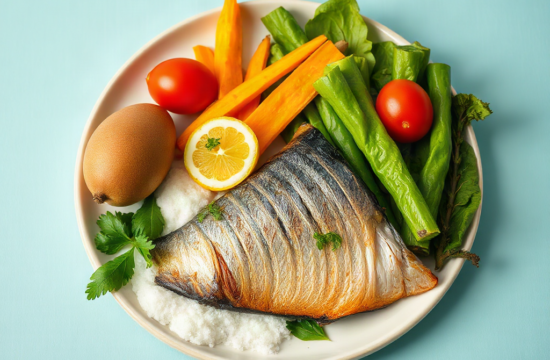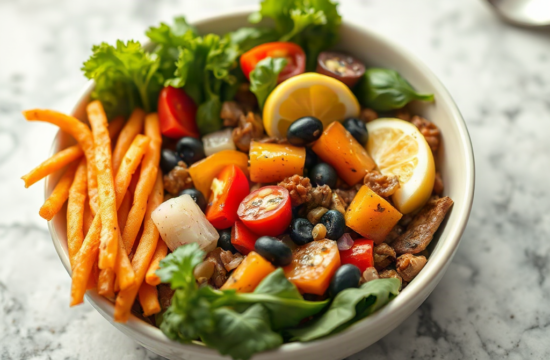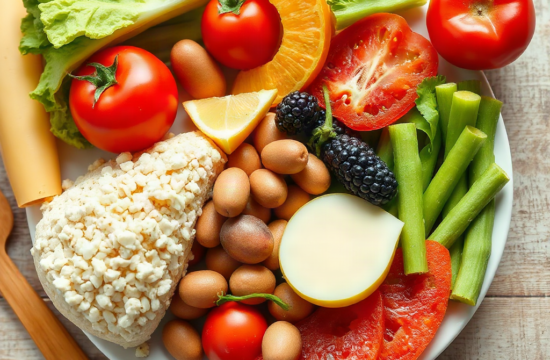

Understanding the impact of food quality on dieting success is essential for anyone looking to lose weight or improve their overall health. High-quality foods tend to be more nutrient-dense and can enhance feelings of fullness, while low-quality foods often lead to cravings and increased hunger. This distinction can significantly affect long-term adherence to a diet plan. Moreover, individuals may underestimate the importance of food quality and focus solely on calorie counting, which can lead to poor dietary choices that compromise health and weight loss goals.
Many dieters make the mistake of believing that all calories are equal. In reality, not all foods provide the same benefits, and the source of calories matters. For instance, 100 calories from a candy bar will not have the same effect on the body as 100 calories from a serving of almonds. Prioritizing high-quality foods can lead to better satiety, improved energy levels, and a healthier metabolism, all of which are crucial for dieting success.
Understanding Food Quality
Food quality refers to the nutritional value and health benefits of the food consumed. High-quality foods are typically whole, minimally processed, and rich in essential nutrients, while low-quality foods are often heavily processed, high in sugar, and low in fiber. The distinction between these two categories is vital for dieting success, as higher-quality foods can support better health outcomes and more effective weight management.
When selecting foods, it is essential to focus on those that provide a range of nutrients, including vitamins, minerals, and antioxidants. Foods such as leafy greens, whole grains, and lean proteins contribute to overall health and can enhance the body’s ability to burn fat efficiently. In contrast, low-quality foods may lead to nutrient deficiencies and negatively impact metabolic health.
Moreover, food quality can influence how satisfied a person feels after eating. High-quality foods often contain more fiber and protein, which can help maintain satiety and reduce the likelihood of overeating. Understanding this relationship can empower individuals to make better food choices that support their dieting goals.
Key Foods for Successful Dieting
Incorporating high-quality foods into your diet is essential for successful weight loss. Foods such as fruits, vegetables, whole grains, and lean proteins should be prioritized. These foods not only provide essential nutrients but also contribute to a feeling of fullness, which can help control calorie intake.
Fruits and vegetables are particularly beneficial due to their high fiber content and low calorie density. They can help fill you up without consuming excessive calories. Whole grains, such as quinoa, brown rice, and oats, provide sustained energy and keep blood sugar levels stable, reducing cravings. Lean proteins, like chicken, turkey, and legumes, are vital for muscle preservation during weight loss.
It’s important to note that while these foods are beneficial, portion sizes still matter. Even healthy foods can contribute to weight gain if consumed in large amounts. Finding a balance between quality and quantity is key to achieving dieting success.
Common Mistakes in Food Choices
One of the most significant mistakes dieters make is relying heavily on processed foods labeled as ‘healthy.’ These products often contain hidden sugars, unhealthy fats, and additives that can sabotage dieting efforts. For example, granola bars may seem like a good choice, but they can be packed with sugar and calories, making them less effective for weight loss.
Another common error is overlooking the importance of meal timing and food combinations. Eating high-carb meals without sufficient protein or fat can lead to rapid spikes and drops in blood sugar, resulting in increased hunger and cravings. It’s crucial to combine macronutrients effectively to maintain energy levels and satiety throughout the day.
Additionally, many dieters underestimate the impact of liquid calories. Beverages like sugary sodas, flavored coffees, and even fruit juices can add significant calories without providing a sense of fullness. Choosing water or unsweetened beverages can help manage overall calorie intake more effectively.
Balancing Quality and Quantity
Achieving dieting success requires striking a balance between food quality and portion sizes. While focusing on high-quality foods is essential, understanding how much to eat is equally important. Tracking food intake can help individuals become more aware of their eating habits and identify areas for improvement.
Support Your Weight Loss Goals
Huge Discount on the Best Certified Organic Nutrient Dense Supplement!
One effective strategy is to use smaller plates and bowls to help control portion sizes. This simple change can create the illusion of a fuller plate and help prevent overeating. Additionally, practicing mindful eating—paying attention to hunger cues and savoring each bite—can foster a healthier relationship with food.
Ultimately, prioritizing high-quality foods while being mindful of portion sizes can lead to sustained weight loss and improved overall health. By focusing on nutrient-dense foods, individuals can enjoy their meals while still achieving their dieting goals.
Further Reading
Authoritative Sources
- ChooseMyPlate.gov
choosemyplate.govThis USDA resource provides guidelines on healthy eating patterns and food quality
- Nutrition.gov
nutrition.govA comprehensive source for nutrition information and dietary guidelines
- Nutritional Quality and Weight Loss
ncbi.nlm.nih.govThis article discusses the impact of food quality on weight loss outcomes
- Healthline: Healthy Eating Tips
healthline.comPractical tips for incorporating high-quality foods into your diet
Frequently Asked Questions
How does food quality affect weight loss?
Food quality impacts weight loss by influencing satiety, nutrient intake, and metabolic health. High-quality foods help regulate hunger and support a calorie deficit, making weight loss easier.
Can I eat processed foods while dieting?
While processed foods can be included in moderation, it’s essential to prioritize whole, nutrient-dense foods for better dieting success and overall health.
What are some examples of high-quality foods?
High-quality foods include fruits, vegetables, whole grains, lean proteins, and healthy fats like avocados and nuts.
How can I improve my food choices?
Improve food choices by focusing on whole, minimally processed foods, reading nutrition labels, and being mindful of portion sizes.
Is counting calories necessary for dieting?
While counting calories can be helpful, focusing on food quality and listening to hunger cues can be more effective for long-term success.
Conclusion
All in all, the impact of food quality on overall dieting success cannot be overstated. Prioritizing high-quality foods rich in nutrients and fiber can enhance satiety and support metabolic health, making it easier to achieve weight loss goals. Avoiding common pitfalls, such as relying on processed foods and neglecting portion sizes, is crucial for maintaining a successful diet. By focusing on nutrient-dense foods and practicing mindful eating, individuals can create a sustainable approach to dieting that promotes long-term health and well-being.
Support Your Weight Loss Goals
HUGE DISCOUNT ON THE BEST CERTIFIED ORGANIC NUTRIENT DENSE SUPPLEMENT!
Related Content
- 10 Effective Tips for Meal Prepping to Lose Weight in 2025 (Best Strategies to Achieve Results)
- Common Mistakes in All-Natural Dieting and How to Fix Them
- Lose Inches by Changing One Evening Habit
- How to Lose Weight Without Following Fad Diets: Practical Steps and Effective Food Choices
- 10 All-Natural Dieting Strategies for Busy Professionals