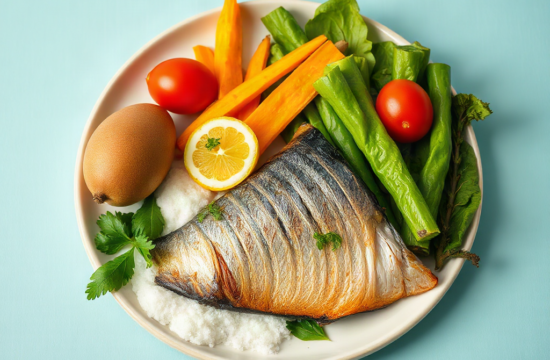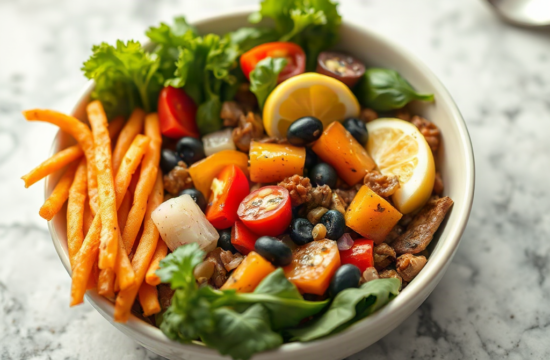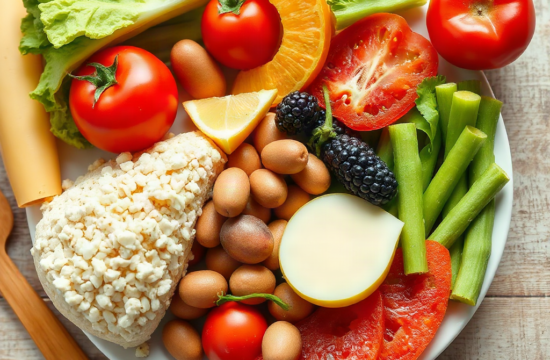

Incorporating metabolism-boosting foods into your diet not only aids in weight loss but also helps maintain muscle mass, which is vital for sustaining a higher metabolic rate. It’s important to understand how these foods work and the common misconceptions surrounding them. Many people assume that simply eating these foods will lead to rapid weight loss, but achieving real results requires a balanced diet and lifestyle choices.
One common mistake is focusing solely on calorie intake without considering the quality of those calories. For instance, consuming high amounts of processed foods can hinder metabolic efficiency, whereas whole, nutrient-dense foods can support metabolic health. Prioritizing foods that support metabolism while also being mindful of overall dietary patterns is crucial for effective weight loss.
Protein-Rich Foods
Protein-rich foods are essential for boosting metabolism, as they require more energy to digest compared to fats and carbohydrates. Foods such as lean meats, fish, eggs, and legumes can increase the thermic effect of food (TEF), which means your body burns more calories processing them. Incorporating these foods into your meals can help maintain muscle mass, which is crucial for a higher metabolic rate.
Furthermore, protein helps in the preservation of muscle during weight loss, as it is essential for muscle repair and growth. A common misconception is that all protein sources are equal; however, high-quality sources like chicken, turkey, and fish provide not only protein but also essential amino acids that are vital for metabolic health. Prioritizing these sources over processed or low-quality protein can yield better results.
To maximize the benefits of protein, aim to include a source in every meal. This could be as simple as adding grilled chicken to a salad or incorporating legumes into soups. Remember, balance is key; combining protein with healthy fats and carbohydrates can lead to sustained energy and metabolic efficiency.
Spices and Their Metabolic Benefits
Spices such as cayenne pepper, cinnamon, and ginger have been shown to have thermogenic properties, meaning they can temporarily boost metabolism. These spices can enhance energy expenditure and aid in fat oxidation, making them valuable additions to a weight loss diet. For example, capsaicin, found in spicy peppers, can increase metabolic rate and promote fat burning.
Incorporating these spices into your meals can be an effective way to enhance flavor while also supporting your metabolism. However, it’s important to note that the effects of spices are modest and should not be relied upon as the sole method for boosting metabolism. Instead, use them as part of a broader dietary strategy that emphasizes whole foods.
Experimenting with different spices in your cooking can introduce variety and enjoyment to your meals. For instance, adding cinnamon to oatmeal or using cayenne pepper in stir-fries can provide both flavor and metabolic benefits.
Hydration and Its Role in Metabolism
Staying adequately hydrated is crucial for maintaining a healthy metabolism. Water plays a vital role in various metabolic processes, including the breakdown of food and the transportation of nutrients. Research suggests that drinking cold water may temporarily boost metabolism as the body expends energy to warm it up to body temperature.
Additionally, many people overlook the importance of hydration when consuming high-fiber foods. Fiber requires adequate water for proper digestion and can help prevent feelings of sluggishness that may arise from dehydration. Therefore, prioritizing water intake can enhance the effects of metabolism-boosting foods.
To ensure proper hydration, aim to drink water consistently throughout the day and consider incorporating hydrating foods such as fruits and vegetables into your meals. This not only supports metabolic function but also aids in overall health.
Support Your Weight Loss Goals
Huge Discount on the Best Certified Organic Nutrient Dense Supplement!
Whole Grains and Their Effect on Energy Expenditure
Whole grains, such as brown rice, quinoa, and oats, are excellent sources of complex carbohydrates that can aid in boosting metabolism. Unlike refined grains, whole grains provide fiber, which increases the energy required for digestion and helps regulate blood sugar levels. This can lead to more stable energy levels and a more efficient metabolic process.
Incorporating whole grains into your diet can support sustained energy and prevent spikes and crashes that often accompany refined carbohydrate consumption. Common pitfalls include relying too heavily on processed grains, which can lead to rapid energy depletion and hinder weight loss efforts.
When choosing grains, opt for whole varieties and aim to fill half your plate with grains at each meal. This can help ensure you are getting the necessary nutrients to support metabolic health while also keeping you satisfied.
Further Reading
Authoritative Sources
- The Role of Protein in Metabolism
ncbi.nlm.nih.govThis resource discusses the importance of protein in metabolic processes and its effects on weight management
- Foods That Boost Your Metabolism
healthline.comA comprehensive overview of various foods known to enhance metabolic rate and their mechanisms
Frequently Asked Questions
What are the best foods to boost metabolism?
Foods rich in protein, such as lean meats and legumes, along with spices like cayenne pepper and hydrating foods, can effectively boost metabolism.
How much protein should I eat to boost metabolism?
Aiming for 20-30 grams of protein per meal can help maximize the thermic effect of food and support muscle maintenance during weight loss.
Can drinking water help increase metabolism?
Yes, drinking water, especially cold water, can temporarily increase metabolism as the body expends energy to warm it to body temperature.
Are there specific spices that can boost metabolism?
Cayenne pepper, ginger, and cinnamon are known for their thermogenic properties and can help enhance metabolic rate.
How do whole grains affect metabolism?
Whole grains require more energy for digestion compared to refined grains and provide fiber, which helps regulate blood sugar and supports metabolic efficiency.
Conclusion
To wrap up, incorporating foods that boost metabolism is a strategic approach to effective weight loss. Prioritizing protein-rich foods, hydrating adequately, and including spices and whole grains can significantly enhance metabolic processes. It’s essential to combine these dietary strategies with a balanced lifestyle to achieve lasting results. By making informed choices about the foods you consume, you can support your metabolic health and facilitate your weight loss journey.