It’s important to note that while seeing a higher number on the scale can be disheartening, it doesn’t necessarily indicate failure in your weight loss efforts. Changes in weight can occur due to dietary sodium intake, hydration levels, and even the timing of meals. Therefore, focusing on long-term weight trends rather than daily numbers will provide a more accurate picture of your progress.
A common mistake many dieters make is to react too strongly to daily weight changes. This can lead to unnecessary stress and potentially harmful behaviors, such as extreme dieting or over-exercising. Instead, it’s more beneficial to track weight over a longer period, such as weekly or bi-weekly, to better assess true fat loss and overall progress.
Understanding Water Retention
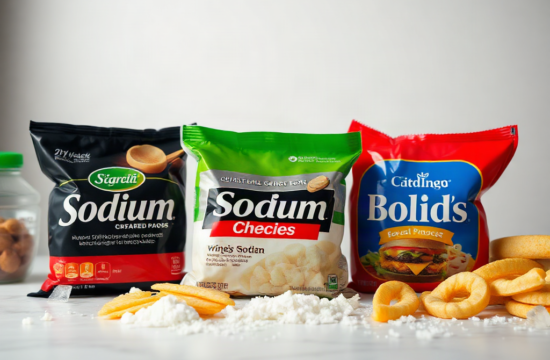
Water retention is a primary reason for daily weight fluctuation. When you consume a diet high in sodium or carbohydrates, your body retains extra water to balance electrolyte levels. This can lead to temporary weight increases that do not reflect actual fat gain. For instance, a high-sodium meal can cause your weight to spike the next day due to increased water retention.
Managing sodium intake can help mitigate these fluctuations. However, it’s also important to recognize that fluctuations in water retention are a normal physiological response, especially during dieting phases. Staying hydrated can actually help your body regulate water retention more effectively.
Moreover, the timing of your meals can impact water retention. Eating larger meals or consuming certain foods can lead to temporary increases in weight. Thus, it’s essential to keep this in mind when assessing your weight on a daily basis.
The Role of Hormones
Hormonal changes, particularly in women, can significantly influence weight fluctuations. Menstrual cycles, for example, often lead to increased water retention due to hormonal shifts. Estrogen and progesterone levels can cause the body to hold onto more water, resulting in noticeable weight gains during certain times of the month.
Understanding your hormonal cycle can help you contextualize weight changes. If you notice consistent fluctuations around your menstrual cycle, it may simply be a natural consequence of hormonal changes rather than an indication of fat gain.
In addition to menstrual cycles, stress and sleep can also affect hormone levels. Elevated cortisol levels due to stress can lead to increased appetite and water retention. Monitoring these factors can help in managing weight fluctuations during dieting phases.
Daily Variations in Food Intake
Your daily food intake can cause significant variations in weight. Consuming a large meal or high-calorie foods can lead to a temporary spike in weight due to the volume of food and water content. Conversely, a day of lower intake may result in a drop in weight.
It’s important to recognize that these changes do not reflect fat loss or gain but rather fluctuations in food volume and water retention. Keeping a food diary can help you understand how your eating patterns relate to your weight changes.
Additionally, timing meals around exercise can also impact weight. Eating before or after workouts can lead to temporary weight increases due to food and fluid intake. Therefore, consider how your meal timing affects your daily weight readings.
Support Your Weight Loss Goals
Huge Discount on the Best Certified Organic Nutrient Dense Supplement!
Tracking Long-Term Trends
To accurately assess your weight loss progress, focus on long-term trends rather than daily fluctuations. Weighing yourself weekly or bi-weekly can provide a clearer picture of your overall progress. This approach allows you to see beyond daily variations influenced by water retention, hormonal changes, and food intake.
Using averages over several days or weeks can also help smooth out the noise of daily fluctuations. For instance, taking the average of your weekly weights can give you a better indication of your true weight trend.
Additionally, consider using other metrics to evaluate progress, such as body measurements, how your clothes fit, or progress photos. These can provide valuable insights that complement the scale and help you stay motivated during your dieting phases.
Further Reading
Authoritative Sources
- Weight Fluctuations: Causes and Impact
ncbi.nlm.nih.govThis article explores the physiological reasons behind weight fluctuations and their implications for dieters
- Understanding Weight Fluctuation
healthline.comA comprehensive overview of factors influencing weight changes, including dietary and hormonal aspects
- Weight Fluctuation: What to Know
medicalnewstoday.comThis resource provides insights into the normalcy of weight fluctuations and how to manage them
Frequently Asked Questions
Why does my weight change so much from day to day?
Daily weight changes are often due to water retention, food intake, and hormonal fluctuations. These factors can cause significant variations that do not reflect actual fat loss.
Should I be worried about daily weight fluctuations?
No, daily fluctuations are normal. Focus on long-term trends rather than reacting to daily changes.
How can I minimize weight fluctuations?
Maintain a consistent diet, monitor sodium intake, and stay hydrated. Regular weigh-ins over longer periods can also help.
What role do hormones play in weight fluctuations?
Hormonal changes, especially during menstrual cycles, can lead to water retention and affect weight. Stress hormones can also impact appetite and retention.
Is it better to weigh myself daily or weekly?
Weighing weekly is often more beneficial as it averages out daily fluctuations and provides a clearer picture of your weight trend.
Conclusion
Understanding why weight fluctuates daily during dieting phases is crucial for maintaining a healthy mindset. By recognizing the roles of water retention, hormonal changes, and dietary habits, you can avoid common pitfalls and focus on long-term weight trends. Instead of fixating on daily numbers, aim to track your progress over weeks or months, using multiple metrics for a more comprehensive view of your health journey. This approach will help you stay motivated and aligned with your weight loss goals.
Support Your Weight Loss Goals
HUGE DISCOUNT ON THE BEST CERTIFIED ORGANIC NUTRIENT DENSE SUPPLEMENT!
Related Content
- Breaking Through Weight Loss Fear Barriers
- The Best Keto Diet Snacks to Keep You on Track
- 10 Effective Natural Detox Drinks for Dieting (2025 Guide to Boost Results)
- The Ultimate Guide to Effortless Natural Dieting
- Discover The Simple Diet Changes That Lead to Real Weight Loss and Renew Your Health Today