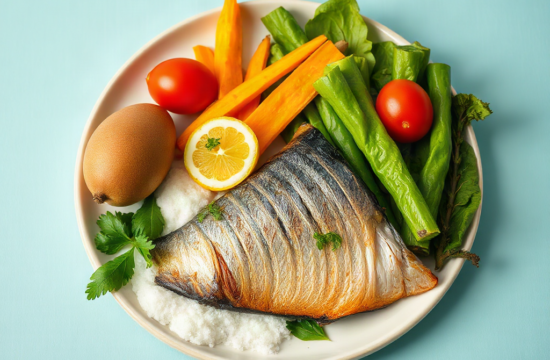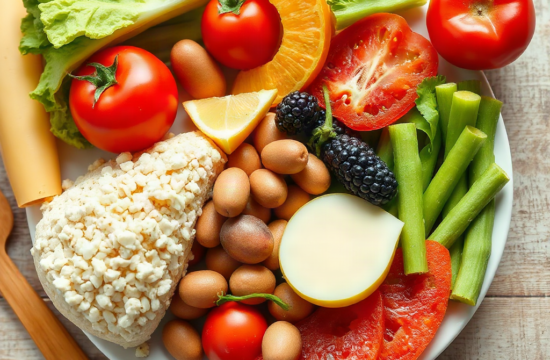

Understanding the physiological and psychological aspects of hunger is essential. When you’re in a calorie deficit, your body may signal hunger more frequently, prompting cravings for high-calorie foods. However, by choosing foods that provide satiety and practicing mindful eating, you can navigate these cravings more effectively. Additionally, staying hydrated can sometimes help mitigate feelings of hunger, as thirst is often mistaken for hunger.
Common mistakes include opting for low-calorie, nutrient-poor foods that may leave you feeling unsatisfied or skipping meals entirely, which can lead to overeating later. Instead, prioritize nutrient-dense foods that not only satisfy hunger but also provide essential vitamins and minerals. Emphasizing a balanced intake of macronutrients can help maintain energy levels and manage hunger effectively.
Understanding Hunger Signals
Recognizing the difference between physical hunger and emotional cravings is vital in managing hunger effectively. Physical hunger develops gradually and is often accompanied by stomach growling, while emotional cravings may arise suddenly, often triggered by stress or boredom. Paying attention to these signals can help you respond appropriately.
Many people mistakenly eat out of habit rather than genuine hunger. Keeping a food diary can help identify patterns in your eating behavior and distinguish between true hunger and emotional eating. By understanding these cues, you can make more intentional choices that align with your calorie deficit goals.
Moreover, consider the timing of your meals. Eating smaller, more frequent meals can help regulate hunger signals and prevent overeating. Experimenting with meal timing can lead to better adherence to your calorie deficit without feeling deprived.
Foods That Promote Satiety
Incorporating specific foods into your diet can significantly impact your ability to manage hunger. Foods high in fiber, such as vegetables, legumes, and whole grains, expand in your stomach and help you feel fuller longer. Protein is also essential for satiety; lean meats, fish, eggs, and plant-based proteins like beans and lentils can aid in curbing hunger.
Moreover, healthy fats from sources like avocados, nuts, and olive oil can contribute to a feeling of fullness. However, it’s crucial to consume these fats in moderation, as they are calorie-dense. Balancing macronutrients can help maintain energy levels while effectively managing hunger.
Additionally, consider incorporating foods with high water content, such as fruits and vegetables, which can help fill you up without adding many calories. These foods not only promote satiety but also provide essential nutrients.
Mindful Eating Practices
Mindful eating involves paying full attention to the experience of eating and drinking. This practice can help you recognize hunger and fullness cues more effectively. Slow down during meals, savor each bite, and eliminate distractions like screens to enhance your eating experience.
By being mindful, you may find that you require less food to feel satisfied. Techniques such as chewing slowly and appreciating the flavors can help you enjoy your meals more, leading to greater satisfaction and less likelihood of overeating.
Another useful strategy is to serve meals on smaller plates. This visual trick can create the perception of a larger portion and help you feel more satisfied with less food. Additionally, practicing gratitude for your meals can enhance your overall eating experience and promote a healthier relationship with food.
Hydration and Hunger Management
Staying properly hydrated is crucial for managing hunger, as thirst can often be mistaken for hunger. Drinking water throughout the day can help control appetite and prevent unnecessary snacking. Aim for at least eight cups of water daily, adjusting based on your activity level and climate.
Support Your Weight Loss Goals
Huge Discount on the Best Certified Organic Nutrient Dense Supplement!
Incorporating herbal teas or other low-calorie beverages can also aid in hydration without adding calories. However, be cautious with sugary drinks, as they can contribute to increased hunger and calorie intake. Staying mindful of your beverage choices can significantly impact your overall hunger management.
Additionally, consider drinking a glass of water before meals. This practice can help you feel fuller, leading to reduced calorie intake during meals. Prioritizing hydration is a simple yet effective strategy in managing hunger during calorie deficit periods.
Further Reading
Authoritative Sources
- Nutritional Strategies for Managing Hunger
ncbi.nlm.nih.govThis resource offers insights into nutritional strategies that can help manage hunger effectively
- Foods That Suppress Appetite
healthline.comHealthline provides a comprehensive list of foods known to suppress appetite and promote satiety
- Managing Hunger While Losing Weight
eatright.orgExplore effective strategies for managing hunger during weight loss from registered dietitians
- Healthy Diet Guidelines
who.intThe World Health Organization outlines guidelines for a balanced diet that can support hunger management
Frequently Asked Questions
What can I eat to feel full on a calorie deficit?
Focus on high-fiber foods like vegetables, whole grains, and legumes, along with lean proteins to promote fullness.
How can I manage cravings while on a calorie deficit?
Stay hydrated, practice mindful eating, and incorporate satisfying foods to help manage cravings effectively.
Is it okay to feel hungry when in a calorie deficit?
How often should I eat when trying to lose weight?
Feeling some hunger is normal, but aim to manage it through nutrient-dense foods and meal timing.
Can drinking water help with hunger?
Yes, drinking water can help manage hunger as thirst is often mistaken for hunger.
What should I avoid to prevent excessive hunger?
Avoid low-calorie, nutrient-poor foods and skipping meals, which can lead to increased hunger and cravings.
Conclusion
Effectively managing hunger during calorie deficit periods requires a strategic approach that includes choosing the right foods, staying hydrated, and practicing mindful eating. Prioritize nutrient-dense, high-fiber, and protein-rich foods to enhance satiety while limiting empty calories. Additionally, understanding your body’s hunger signals and maintaining hydration can significantly improve your experience in a calorie deficit. By implementing these strategies, you can achieve your weight loss goals without feeling deprived or overwhelmed by hunger.
Support Your Weight Loss Goals
HUGE DISCOUNT ON THE BEST CERTIFIED ORGANIC NUTRIENT DENSE SUPPLEMENT!
Related Content
- Ditch the Fad Diets: 5 Proven Strategies for Long-Term Weight Management
- Unlocking the Truth: Understanding Why Your Weight Loss Diet Keeps Failing and How to Overcome It
- What Foods Increase Fullness While Reducing Calorie Intake: Top Choices for Lasting Satiety
- 10 Effective Tips on How to Reduce Bloating in 2025 for Fast Relief
- Common Mistakes in All-Natural Dieting and How to Fix Them