
Incorporating diverse protein sources into your meals not only provides essential nutrients but also helps in managing hunger levels throughout the day. For instance, proteins take longer to digest compared to carbohydrates, leading to prolonged feelings of fullness. This is particularly important for individuals looking to lose weight or maintain a healthy weight, as it can prevent overeating and snacking between meals.
Many people often overlook the importance of protein quality and variety in their diets. Choosing a balance of animal and plant-based proteins can offer a more comprehensive nutrient profile, including vitamins and minerals that support overall health. Additionally, relying solely on one type of protein can lead to deficiencies or imbalances, so it’s essential to explore various sources.
Lean Animal Proteins
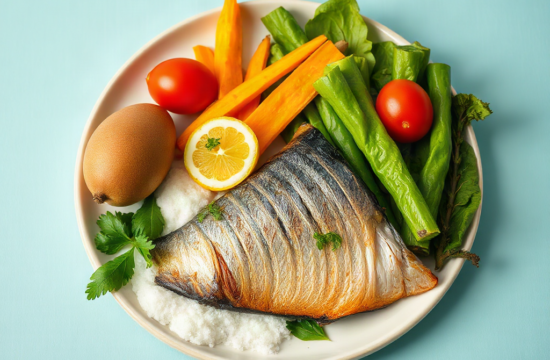
Lean animal proteins such as chicken, turkey, and fish are excellent choices for those looking to support their dieting efforts. These proteins are low in saturated fat and high in essential amino acids, which are crucial for muscle repair and growth.
Including lean meats in your meals can significantly enhance satiety due to their dense protein content. For example, grilled chicken breast not only provides high-quality protein but also contains fewer calories compared to fattier cuts of meat. This makes it easier to create a calorie deficit while still feeling satisfied after meals.
However, it’s important to consider how these proteins are prepared. Frying or cooking them in heavy sauces can add unnecessary calories. Opting for grilling, baking, or steaming keeps the calorie count low while maximizing the protein benefits.
Plant-Based Protein Options
Plant-based proteins such as quinoa, lentils, and chickpeas are becoming increasingly popular among dieters. These options not only offer substantial protein but also come with added fiber, which enhances satiety.
Quinoa, for instance, is a complete protein, meaning it contains all nine essential amino acids. It’s an excellent alternative for those following vegetarian or vegan diets. Incorporating foods like lentils and beans can also promote fullness due to their high fiber content, which slows digestion and prolongs the sensation of fullness.
One common mistake people make is underestimating the protein content in plant-based foods. While they may contain less protein per serving than animal sources, their fiber content can help manage hunger effectively.
Dairy and Alternatives
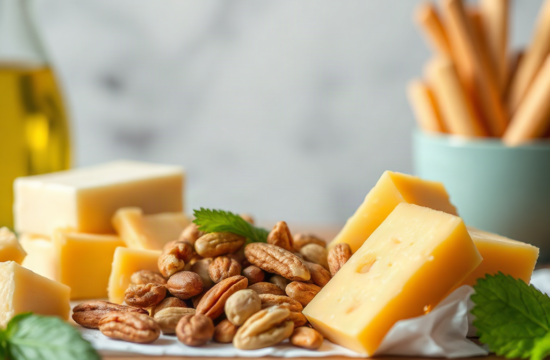
Dairy products, including yogurt and cottage cheese, are rich in protein and calcium, making them valuable additions to a satiety-focused diet. Greek yogurt, for example, is particularly high in protein and can be a versatile ingredient in meals and snacks.
Incorporating dairy can aid in maintaining muscle mass during weight loss, which is crucial for sustaining metabolic health. Moreover, the probiotics found in yogurt can support digestive health, providing additional benefits.
For those who are lactose intolerant or prefer non-dairy options, fortified plant-based alternatives such as almond milk or soy yogurt can offer similar nutritional profiles. However, it’s vital to check labels for added sugars and nutrients.
Support Your Weight Loss Goals
Huge Discount on the Best Certified Organic Nutrient Dense Supplement!
Legumes and Pulses
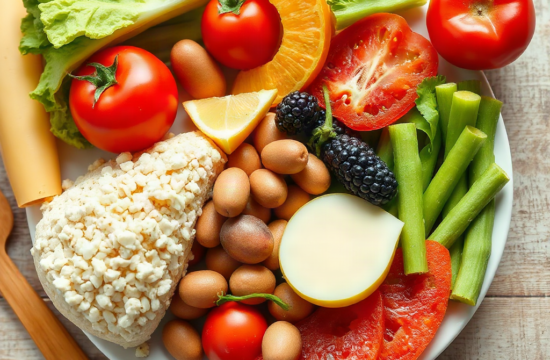
Legumes and pulses, such as beans, peas, and lentils, are not only excellent protein sources but also packed with nutrients. They offer a combination of protein and fiber that can help enhance satiety and maintain steady energy levels.
Including a variety of legumes in your diet can provide essential vitamins and minerals, along with antioxidants that support overall health. They are also cost-effective protein sources, making them accessible for many.
However, some individuals may experience digestive discomfort when consuming legumes. To mitigate this, it can be helpful to gradually increase intake and ensure they are well-cooked. Soaking beans before cooking can also aid in digestion.
Further Reading
Authoritative Sources
- Choose My Plate
choosemyplate.govA comprehensive resource for understanding balanced diets and protein sources
- National Institutes of Health
ncbi.nlm.nih.govnih.govOffers research and guidelines on nutrition and protein intake
- Academy of Nutrition and Dietetics
eatright.orgProvides evidence-based information on dietary practices and protein sources
Frequently Asked Questions
What are the best sources of protein for dieting?
The best sources include lean meats, fish, eggs, dairy products, legumes, and plant-based proteins like tofu and quinoa, which help maintain muscle while promoting satiety.
How much protein should I consume while dieting?
A common recommendation is 1.2 to 2.0 grams of protein per kilogram of body weight, depending on activity level and weight loss goals.
Can plant-based proteins provide enough satiety?
Yes, plant-based proteins often contain fiber, which enhances feelings of fullness, making them effective for weight management.
Is dairy a good source of protein for dieters?
Yes, dairy products like Greek yogurt and cottage cheese are high in protein and can help with satiety while providing essential nutrients.
What are common mistakes when choosing protein sources?
Common mistakes include relying solely on one type of protein, overlooking portion sizes, and neglecting the impact of cooking methods on calorie content.