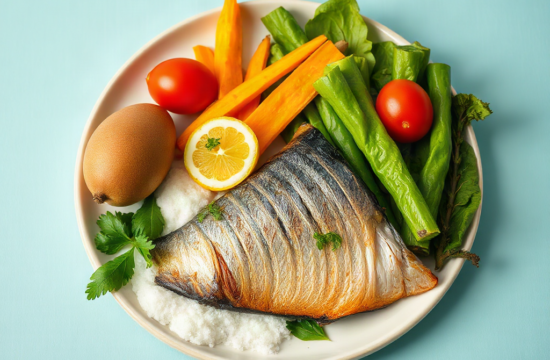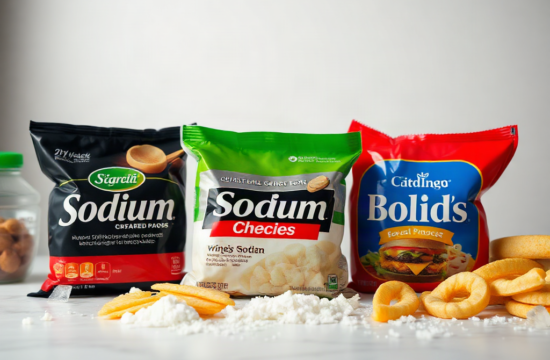
Fat loss is a gradual process that occurs when the body is in a caloric deficit, meaning it burns more calories than it consumes. This leads to the breakdown of fat stores for energy. Conversely, water weight can fluctuate significantly based on daily habits, such as salt intake, carbohydrate consumption, and hydration levels. These fluctuations can mislead individuals into thinking they are losing fat when they are merely losing water.
One common mistake is to rely solely on the scale to measure progress. Many people become discouraged by temporary weight increases due to water retention, especially after consuming high-sodium foods or after intense workouts that lead to muscle inflammation. Recognizing that weight changes can be attributed to various factors is essential for maintaining a healthy mindset and realistic expectations.
Understanding Fat Loss
Fat loss occurs when the body uses fat stores for energy, which typically happens during caloric deficits. This process is influenced by various factors, including diet, exercise, and metabolic rate. Unlike water weight, fat loss is sustainable and contributes to long-term health and fitness goals.
To achieve effective fat loss, individuals must focus on creating a balanced diet rich in nutrients while engaging in regular physical activity. It is important to prioritize strength training and cardiovascular exercises, as both play vital roles in promoting fat oxidation.
Moreover, many people overlook the significance of lifestyle factors such as sleep and stress management, which can impact metabolic processes. Prioritizing these elements can enhance fat loss efforts and provide a more comprehensive approach to weight management.
The Role of Water Weight
Water weight refers to the temporary increase or decrease in body weight due to changes in fluid balance. Factors such as hydration levels, diet, and hormonal fluctuations can significantly influence water retention. This weight is not reflective of changes in body fat and can mislead individuals regarding their progress.
For instance, consuming high-carbohydrate meals can lead to water retention, as glycogen stores bind to water in the body. This can result in a sudden spike in weight that does not indicate fat gain. Understanding the role of water weight is essential for interpreting scale readings accurately.
To mitigate confusion, individuals should monitor weight trends over a longer period rather than reacting to daily fluctuations. This approach offers a more accurate picture of true progress and can help maintain motivation during the weight loss journey.
Factors Influencing Water Retention
Several factors can influence water retention, including dietary choices, hormonal changes, and physical activity levels. High sodium intake is one of the primary contributors to water retention, as sodium causes the body to hold onto excess fluid. Additionally, carbohydrates can lead to temporary weight increases due to glycogen storage.
Hormonal fluctuations, particularly in women, can impact water retention during menstrual cycles, leading to weight changes that can be confusing. It is essential to recognize these patterns and understand that they are often temporary.
To manage water retention effectively, individuals can focus on reducing sodium intake, staying hydrated, and maintaining a balanced diet. Incorporating diuretic foods, such as cucumbers and watermelon, can also help alleviate excess water retention.
How to Measure True Progress
To accurately measure progress in fat loss, individuals should consider multiple metrics rather than relying solely on the scale. Tracking body measurements, such as waist circumference, can provide a clearer picture of changes in body composition.
Support Your Weight Loss Goals
Huge Discount on the Best Certified Organic Nutrient Dense Supplement!
Additionally, taking progress photos can help visualize changes that may not be reflected in weight alone. Monitoring how clothes fit can also be a practical indicator of fat loss. These methods provide a more comprehensive assessment of progress and can help maintain motivation.
Moreover, understanding the difference between fat loss and water weight allows individuals to set realistic expectations and avoid discouragement from temporary fluctuations. A holistic approach to tracking progress will lead to better long-term results.
Further Reading
Authoritative Sources
- Understanding Body Weight Regulation
ncbi.nlm.nih.govThis resource explains the physiological processes behind body weight regulation, including fat loss and water retention
- What Is Water Weight?
healthline.comThis article offers insights into water weight, its causes, and how it affects overall health
- Water Weight: What You Need to Know
webmd.comWebMD provides a comprehensive overview of water weight and its implications for weight loss
- Mayo Clinic on Water Weight
mayoclinic.orgThe Mayo Clinic discusses the factors that influence water weight and how to manage it effectively
Frequently Asked Questions
How can I tell if I am losing fat or just water weight?
To determine if you are losing fat or just water weight, monitor your body measurements and how your clothes fit, rather than relying solely on the scale.
What causes water weight fluctuations?
Water weight fluctuations can be caused by factors such as sodium intake, carbohydrate consumption, hormonal changes, and hydration levels.
Is it normal to gain weight after a workout?
Yes, it is normal to gain weight after a workout due to muscle inflammation and water retention, particularly after intense exercise.
How long does it take to lose water weight?
Water weight can fluctuate daily and may take a few days to stabilize after dietary changes or intense workouts.
Can drinking more water help reduce water weight?
Yes, staying hydrated can help reduce water retention, as it encourages the body to release excess fluid.
Conclusion
Understanding the difference between fat loss and water weight changes is essential for effective weight management. By focusing on sustainable fat loss strategies and recognizing the temporary nature of water weight fluctuations, individuals can set realistic expectations and avoid discouragement. Prioritizing a balanced diet, regular exercise, and holistic progress tracking methods will ultimately lead to long-term health and fitness success.
Support Your Weight Loss Goals
HUGE DISCOUNT ON THE BEST CERTIFIED ORGANIC NUTRIENT DENSE SUPPLEMENT!
Related Content
- How Emotional Eating Affects Weight Loss: Understanding Triggers and Practical Solutions
- Are These Common Foods Preventing You From Losing Weight?
- Weight Loss And You: Ways To Make It Really Happen
- Dieting Tips That Simplify Weight Loss: Practical Steps for Everyday Success
- Lose Weight In Just Minutes A Day