
Many individuals struggle with dieting because they set unrealistic goals or follow trendy diets that promise rapid results. Instead, it’s critical to understand that effective dieting is about making manageable changes that fit into your daily life. Successful dieters often prioritize foods rich in nutrients while being mindful of their portions. This allows them to enjoy their meals without feeling deprived, making it easier to stick with their new habits over time.
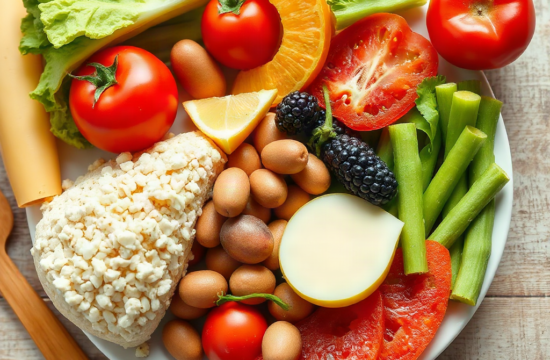
A common mistake in dieting is the focus on restriction rather than nourishment. People often believe that cutting out entire food groups is necessary for weight loss. However, this can lead to cravings and binge eating. Instead, aim for balance. Incorporate a variety of foods, including fruits, vegetables, lean proteins, healthy fats, and whole grains. This not only supports your body’s nutritional needs but also keeps meals enjoyable.
Understanding Portion Control
Portion control is a fundamental aspect of effective dieting. It involves being aware of the amount of food you consume and making conscious choices to avoid overeating. Using smaller plates, measuring serving sizes, and being mindful of snacks can significantly impact your overall calorie intake.
Many people underestimate portion sizes, often consuming more than they realize. For instance, a typical serving of pasta is about one cup, but many individuals may serve themselves two or more cups without realizing it. Being mindful of serving sizes can help regulate calorie intake and support weight loss efforts.
Moreover, it’s important to differentiate between hunger and habit. Eating out of boredom or routine can lead to excessive calorie consumption. Focus on listening to your body’s hunger cues and eating only when you truly feel hungry. This practice not only helps with portion control but also fosters a healthier relationship with food.
Incorporating Physical Activity
Physical activity is essential for successful dieting and overall health. Regular exercise not only aids in burning calories but also boosts metabolism and enhances mood. Aim to incorporate both aerobic exercises, such as walking or cycling, and strength training into your routine.
Finding enjoyable activities can make it easier to stay active. Whether it’s dancing, hiking, or joining a local sports team, the key is to choose activities that you look forward to. This enjoyment can lead to a more consistent exercise routine, which is crucial for weight management.
Additionally, consider integrating more movement into your daily life. Simple changes like taking the stairs instead of the elevator, walking during lunch breaks, or engaging in active hobbies can accumulate significant physical activity over time. Prioritize making these adjustments part of your lifestyle rather than viewing them as temporary fixes.
Mindful Eating Practices
Mindful eating involves paying full attention to the experience of eating and drinking. This practice encourages individuals to slow down, savor each bite, and recognize hunger and fullness cues. By being present while eating, you can enjoy your food more and reduce the likelihood of overeating.
A common pitfall in eating habits is multitasking during meals, such as eating while watching TV or working. This can lead to mindless eating, where individuals consume more food than necessary without realizing it. Establishing a dedicated eating space and minimizing distractions can enhance your mindful eating experience.
Furthermore, take the time to appreciate the flavors and textures of your food. This not only enhances the eating experience but also helps you feel satisfied with smaller portions. Developing mindfulness around eating can lead to healthier choices and a more enjoyable relationship with food.
Building a Sustainable Meal Plan
Creating a sustainable meal plan is crucial for long-term dieting success. A well-structured meal plan helps ensure that you incorporate a variety of nutrients while avoiding the temptation of unhealthy options. Start by including a balanced mix of fruits, vegetables, lean proteins, and whole grains in your meals.
Support Your Weight Loss Goals
Huge Discount on the Best Certified Organic Nutrient Dense Supplement!
One effective strategy is to prepare meals in advance. Meal prepping allows you to control portions and make healthier choices when you’re busy or tempted to grab fast food. Additionally, having healthy snacks readily available can prevent impulse eating.
When building your meal plan, consider your lifestyle and preferences. Choose foods you enjoy and that fit within your budget. Flexibility is also essential; allow yourself occasional treats to prevent feelings of deprivation. This balance can make dieting feel less restrictive and more enjoyable.
Further Reading
Authoritative Sources
- ChooseMyPlate.gov
choosemyplate.govAn excellent resource for understanding balanced nutrition and portion sizes, tailored for everyday eating
- CDC Healthy Weight
cdc.govOffers insights into weight management strategies and the importance of physical activity
- Academy of Nutrition and Dietetics
eatright.orgProvides a wealth of information on nutrition, meal planning, and healthy eating habits
- NHLBI Healthy Eating
nhlbi.nih.govFocuses on the connection between diet and heart health, with practical tips for healthy eating
Frequently Asked Questions
What are the key components of a successful diet?
A successful diet includes balanced nutrition, portion control, regular physical activity, and mindful eating practices. It’s important to choose foods you enjoy and can maintain long-term.
How can I avoid emotional eating?
To avoid emotional eating, identify triggers such as stress or boredom, and find alternative coping strategies like exercise, meditation, or engaging in hobbies.
Is it necessary to count calories?
Counting calories can be helpful for some individuals to understand their intake, but it’s not necessary for everyone. Focus on portion sizes and nutrient-dense foods instead.
What should I do if I hit a weight loss plateau?
If you hit a plateau, reassess your diet and exercise routine. Consider incorporating new workouts, adjusting portion sizes, or consulting a nutritionist for personalized advice.
How important is hydration in a diet?
Hydration is crucial in a diet as it supports metabolic processes and can help control hunger. Aim to drink plenty of water throughout the day.
Conclusion
All in all, the best dieting tips for everyday people revolve around sustainable habits that prioritize balanced nutrition and realistic goals. Focus on portion control, incorporate physical activity into your routine, and practice mindful eating to develop a healthy relationship with food. Remember that consistency is key, and making gradual changes can lead to lasting success. By prioritizing your well-being and making informed choices, you can achieve your dieting goals without compromising your lifestyle.