
One common mistake many people make is drastically cutting calories or eliminating entire food groups, which can lead to fatigue and a decrease in overall energy. Instead, it’s crucial to adopt a balanced diet that includes a variety of food groups. This not only supports weight loss but also provides the essential nutrients your body needs to function efficiently. Understanding the role of macronutrients—proteins, fats, and carbohydrates—can help you make informed choices that align with your weight loss goals.
Additionally, it’s important to focus on meal timing and frequency. Eating smaller, more frequent meals can help stabilize blood sugar levels, preventing energy crashes that often accompany traditional dieting methods. Incorporating regular physical activity into your routine can also enhance energy levels and support weight loss. Prioritize exercises that you enjoy, as this will make it easier to maintain consistency and build a sustainable lifestyle.
Understanding Macronutrients for Energy
Macronutrients play a crucial role in providing energy and supporting weight loss. Proteins are essential for muscle repair and can keep you feeling full longer, while healthy fats are vital for hormone production and overall health. Carbohydrates, particularly complex carbs, provide a steady source of energy. Understanding how to balance these macronutrients is key to losing weight without sacrificing energy.
Many people mistakenly believe that reducing carbohydrates is the best way to lose weight. However, complex carbohydrates, such as whole grains and legumes, are important for energy. They release glucose slowly into the bloodstream, providing sustained energy throughout the day. Prioritizing whole foods over processed options can help maintain this balance while supporting weight loss.
To optimize your macronutrient intake, consider consulting with a nutritionist who can help tailor a plan that meets your specific needs. This personalized approach ensures that you maintain energy levels while effectively losing weight.
Foods That Sustain Energy While Losing Weight
Choosing the right foods is essential for maintaining energy levels during weight loss. Incorporating lean proteins, such as chicken, fish, and legumes, can help you feel full and satisfied. Additionally, healthy fats from sources like avocados, nuts, and olive oil can provide lasting energy.
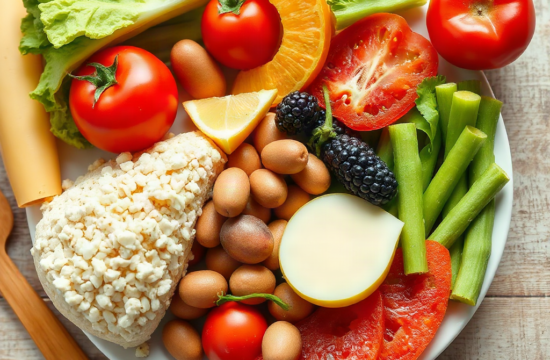
Fruits and vegetables are also crucial components of a weight loss diet. They are low in calories but high in fiber and nutrients, helping you stay full without consuming excess calories. Dark leafy greens, berries, and cruciferous vegetables like broccoli and cauliflower are particularly beneficial.
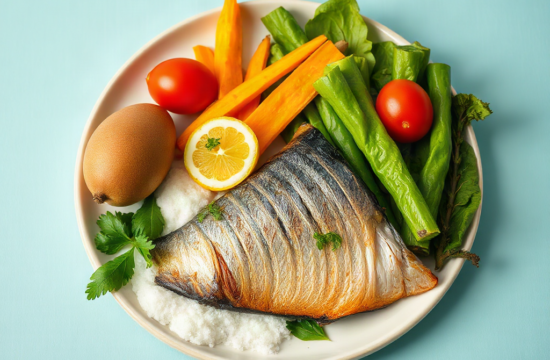
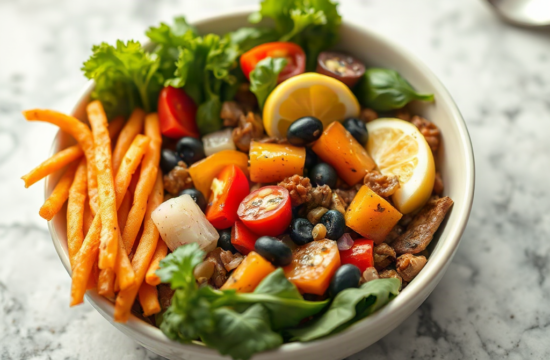
When planning meals, aim for a mix of macronutrients. For example, a meal consisting of grilled chicken (protein), quinoa (complex carb), and steamed broccoli (vegetable) provides a balanced approach that can help sustain energy levels while promoting weight loss.
The Importance of Meal Timing
Meal timing can significantly impact energy levels and weight loss success. Eating smaller, more frequent meals can help keep your metabolism active and prevent energy dips that occur with larger, less frequent meals. Aim for three main meals and two healthy snacks throughout the day.
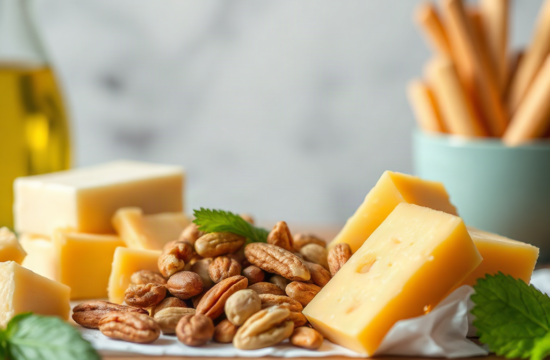
Snacking on nutrient-dense options, such as Greek yogurt or a handful of nuts, can provide an energy boost between meals. This strategy helps prevent overeating at mealtimes and keeps your energy levels stable. Additionally, timing your meals around physical activity can maximize energy and recovery.
Support Your Weight Loss Goals
Huge Discount on the Best Certified Organic Nutrient Dense Supplement!
Be mindful of your body’s hunger cues and adjust meal timing as needed. Everyone’s metabolism is different, so finding a schedule that works for you is essential for maintaining energy while losing weight.
Incorporating Physical Activity
Regular physical activity is vital for both weight loss and energy maintenance. Engaging in exercises you enjoy, such as walking, cycling, or dancing, can help you stay consistent. Aim for at least 150 minutes of moderate aerobic activity each week, along with strength training exercises.
Exercise supports weight loss by burning calories and building muscle, which can increase your resting metabolic rate. Additionally, physical activity releases endorphins, which can enhance mood and energy levels. It’s also a common misconception that you need to work out for long periods to see results; shorter, high-intensity workouts can be equally effective.
Consider incorporating movement into your daily routine, such as taking the stairs instead of the elevator or going for a walk during breaks. These small changes can add up and contribute to your overall energy levels and weight loss goals.
Further Reading
Authoritative Sources
- MedlinePlus
medlineplus.govConsumer-friendly medical and health information from the U.S. National Library of Medicine.
- National Institutes of Health
nih.govResearch-based health information and links to authoritative medical resources.
- Centers for Disease Control and Prevention
cdc.govOfficial public health guidance, prevention resources, and topic-specific recommendations.
- Mayo Clinic
mayoclinic.orgTrusted clinical guidance, symptom explainers, and treatment overviews.
- World Health Organization
who.intGlobal health guidance, fact sheets, and evidence-based public health information.
Frequently Asked Questions
Can I lose weight without feeling tired?
Yes, by focusing on nutrient-dense foods and balancing your macronutrients, you can lose weight while maintaining energy levels.
What types of foods should I avoid while losing weight?
Avoid processed foods high in added sugars and unhealthy fats, as they can lead to energy crashes and hinder weight loss.
How often should I eat while trying to lose weight?
Eating smaller, more frequent meals throughout the day can help stabilize energy levels and prevent overeating.
Is exercise necessary for weight loss?
While not strictly necessary, exercise enhances weight loss efforts and helps maintain energy levels.
What is the best time to eat for weight loss?
Focus on eating at regular intervals throughout the day, aligning meals with your physical activity for optimal energy.
Conclusion
Maintaining energy while losing weight is achievable by focusing on a balanced diet rich in nutrient-dense foods, understanding the importance of meal timing, and incorporating regular physical activity. Prioritize whole foods, lean proteins, and healthy fats while avoiding processed options. Adopting smaller, more frequent meals can help keep your energy levels stable. Remember, consistency is key—find an approach that works for you and supports both your weight loss and energy goals.
Support Your Weight Loss Goals
HUGE DISCOUNT ON THE BEST CERTIFIED ORGANIC NUTRIENT DENSE SUPPLEMENT!
Related Content
- Excellent Tips To Help You Kick Start Your Weight Loss
- 10 Effective weight loss plateau tips to break through in 2025
- How to Lose Weight Without Overcomplicating Your Diet: Simple Steps and Practical Foods to Embrace
- Effortless Weight Loss Tips Without Exercise: Achieve Your Goals Naturally and Safely
- How to Make a Vegetarian Diet Work for Busy Professionals