
In addition to dietary strategies, engaging in regular resistance training is vital. This type of exercise stimulates muscle growth and helps prevent muscle loss while you are in a caloric deficit. The combination of adequate protein intake and resistance training creates an environment conducive to fat loss while preserving muscle.
Many individuals overlook the importance of meal timing. Consuming protein-rich meals around workout times can enhance muscle retention and recovery. Common mistakes include neglecting strength training, underestimating protein needs, or opting for excessively low-calorie diets, all of which can hinder efforts to maintain muscle mass during weight loss.
Understanding Muscle Preservation During Weight Loss
Maintaining muscle mass while losing weight is a delicate balance that requires a strategic approach. When the body is in a caloric deficit, it can utilize both fat and muscle as energy sources. However, prioritizing muscle preservation is crucial for maintaining metabolic health and overall strength. Understanding how the body responds to weight loss is the first step in designing an effective strategy.
Muscle preservation hinges on two main factors: adequate protein intake and resistance training. When you engage in weight loss, your body may break down muscle tissue for energy if it lacks sufficient protein and resistance stimuli. Thus, keeping protein levels high and exercising regularly can significantly mitigate this risk.
Readers often overlook the role of stress and sleep in muscle preservation. Chronic stress can elevate cortisol levels, which may lead to muscle breakdown. Prioritizing recovery through adequate sleep and stress management techniques is equally important in a weight loss journey.
Nutritional Strategies for Muscle Retention
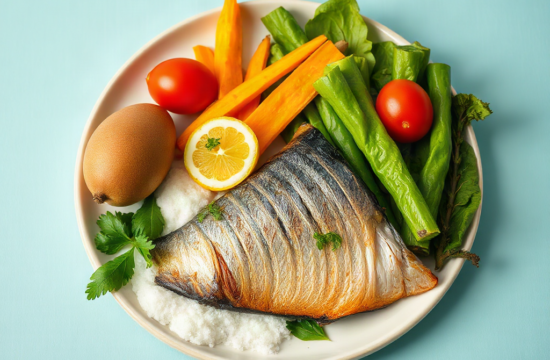
A high-protein diet is essential for preserving muscle mass during weight loss. Aim for at least 1.6 to 2.2 grams of protein per kilogram of body weight daily. Foods such as lean meats, fish, eggs, dairy, legumes, and nuts should be staples in your diet. These protein sources not only support muscle repair but also promote satiety, assisting in weight management.
Incorporating nutrient-dense foods is another critical strategy. Focus on whole grains, fruits, vegetables, and healthy fats to fuel your body adequately. While a caloric deficit is necessary for weight loss, it should not be so extreme that it compromises your nutritional intake. This balance will help ensure that you are losing fat rather than muscle.
Meal timing can also play a role in muscle retention. Consuming protein-rich meals before and after workouts can maximize muscle recovery and growth. A common mistake is to neglect post-workout nutrition, which can hinder recovery and muscle maintenance.
Effective Exercise Techniques
Resistance training is a cornerstone of preserving muscle during weight loss. Aim for at least 2-3 sessions per week, focusing on compound movements that engage multiple muscle groups, such as squats, deadlifts, and bench presses. These exercises not only build strength but also promote hormonal responses that are beneficial for muscle retention.
Incorporating progressive overload—gradually increasing the weight or resistance used in workouts—can further enhance muscle preservation. This principle ensures that muscles are continuously challenged, which is essential for growth and maintenance.
Support Your Weight Loss Goals
Huge Discount on the Best Certified Organic Nutrient Dense Supplement!
Cardiovascular exercise can support weight loss but should be balanced with resistance training. Excessive cardio can lead to muscle loss if not paired with adequate strength training and nutrition. Prioritize lower-intensity, longer-duration cardio sessions, as they tend to preserve muscle better than high-intensity sessions.
Common Mistakes to Avoid
One of the most significant mistakes individuals make is underestimating their protein needs. Insufficient protein intake can lead to muscle loss, especially when in a caloric deficit. It’s essential to track not just caloric intake but also macronutrient distribution to ensure adequate protein consumption.
Another common pitfall is focusing solely on cardio for weight loss. While cardio is beneficial, neglecting resistance training can lead to muscle depletion. Finding a balanced routine that includes both cardio and strength training is vital for preserving muscle.
Lastly, many people opt for extreme diets that severely restrict calories. This approach can lead to rapid weight loss but often results in significant muscle loss as well. Aim for a moderate caloric deficit to ensure that weight loss is sustainable and primarily from fat.
Further Reading
Authoritative Sources
- Protein and Resistance Training: A Review of the Evidence
ncbi.nlm.nih.govThis article reviews the importance of protein intake and resistance training in muscle preservation during weight loss
- Effects of Diet on Muscle Mass and Strength
sciencedirect.comThis study explores how different dietary patterns affect muscle mass and strength retention
Frequently Asked Questions
What is the best way to maintain muscle while losing weight?
A high-protein diet combined with regular resistance training is the best way to maintain muscle while losing weight.
How much protein do I need to preserve muscle?
Aim for 1.6 to 2.2 grams of protein per kilogram of body weight daily to effectively preserve muscle during weight loss.
Can I lose weight without exercising?
While it is possible to lose weight without exercising, incorporating strength training is critical for preserving muscle mass.
What are the risks of losing weight too quickly?
Losing weight too quickly can lead to muscle loss, nutritional deficiencies, and a slower metabolism, making it harder to maintain weight loss long-term.
Is cardio bad for muscle retention?
Excessive cardio can hinder muscle retention; a balanced routine of cardio and resistance training is essential.