
Many people mistakenly believe that successful weight loss requires complex meal plans or strict calorie counting. However, the real challenge lies in establishing a balanced approach that prioritizes nutrition without overwhelming your daily routine. Instead of getting bogged down by intricate diets, focus on gradually implementing healthier choices and recognizing portion sizes. This creates a sustainable eating pattern that supports your weight loss goals.
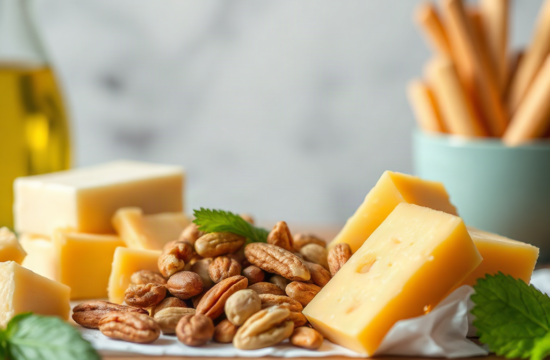
A common pitfall is to assume that all fats and carbohydrates are detrimental to weight loss. In reality, healthy fats from sources like avocados and nuts, as well as whole grains, can be part of a balanced diet. The key is moderation and understanding your body’s needs. Prioritize whole foods that nourish your body and provide lasting energy, while limiting processed options that can lead to overeating.
Understanding Whole Foods
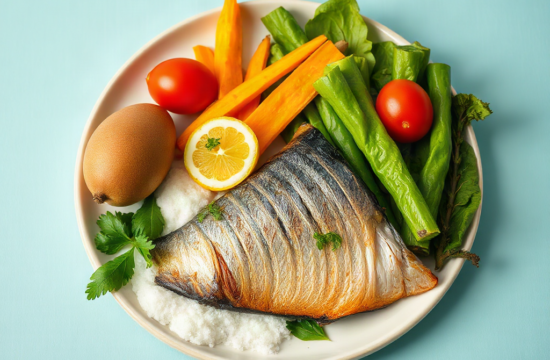
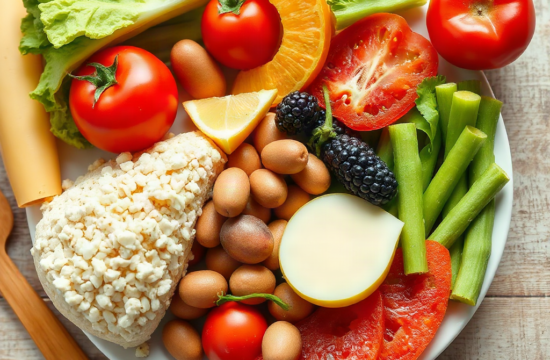
Whole foods are unprocessed and free from artificial substances, providing essential nutrients without added sugars or unhealthy fats. Foods like fruits, vegetables, whole grains, and lean proteins should form the cornerstone of your diet. They not only help in weight loss but also improve overall health.
Choosing whole foods means you’re likely to consume more vitamins, minerals, and fiber, which enhances satiety and reduces the likelihood of overeating. For example, a meal rich in vegetables and lean proteins can keep you full longer compared to processed alternatives. This is crucial for maintaining a calorie deficit while ensuring your body receives the nutrition it needs.
Often, people overlook the importance of meal preparation when focusing on whole foods. Planning your meals in advance can help you avoid the temptation of quick, processed options. Consider batch cooking healthy meals or prepping snacks to make healthier choices more accessible throughout your week.
Portion Control and Mindful Eating
Portion control is a vital component of weight loss, allowing you to enjoy a variety of foods without overindulging. Familiarize yourself with serving sizes and listen to your body’s hunger cues to avoid unnecessary snacking or overeating.
Mindful eating involves paying full attention to the experience of eating. This means savoring each bite, chewing slowly, and recognizing when you’re satisfied. Practicing mindfulness can significantly reduce instances of emotional eating or mindless snacking, both of which contribute to weight gain.
Implementing strategies like using smaller plates or bowls can trick your brain into feeling satisfied with smaller portions. Additionally, taking the time to enjoy your meals without distractions can enhance your overall eating experience and prevent overeating.
The Role of Healthy Fats and Carbohydrates
Incorporating healthy fats and complex carbohydrates into your diet is essential for maintaining energy levels while losing weight. Healthy fats, such as those found in olive oil, avocados, and nuts, are crucial for hormone regulation and satiety.
Complex carbohydrates, like whole grains and legumes, provide sustained energy and help regulate blood sugar levels. Unlike simple carbohydrates from processed foods, these options digest slowly, keeping you feeling full longer and reducing cravings.
Support Your Weight Loss Goals
Huge Discount on the Best Certified Organic Nutrient Dense Supplement!
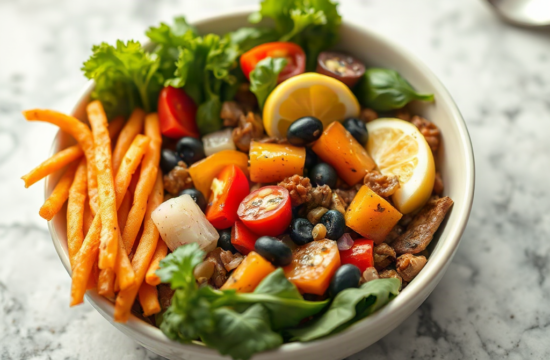
Balance is key; aim to fill your plate with a variety of food groups. For instance, a meal consisting of grilled chicken, quinoa, and steamed broccoli offers protein, healthy fats, and complex carbohydrates, making it a well-rounded option that supports weight loss.
Common Mistakes to Avoid
One common mistake in weight loss efforts is relying too heavily on low-calorie or diet foods, which often contain artificial ingredients and can lead to cravings. Instead, focus on whole, nutrient-dense foods that promote health and satiety.
Another pitfall is skipping meals, which can lead to overeating later on. Regular meals help maintain energy levels and prevent binge eating. Aim for three balanced meals and healthy snacks throughout the day to keep your metabolism active and your cravings in check.
Lastly, avoid comparing your progress to others. Each individual’s body responds differently to dietary changes, and what works for one person may not work for another. Focus on your journey and celebrate your unique milestones.
Further Reading
For those looking to delve deeper into effective weight loss strategies, consider exploring resources that emphasize balanced nutrition and sustainable habits. Websites like Eat Right provide evidence-based guidance on healthy eating.
Further Reading
Authoritative Sources
- Ready.gov
ready.govOfficial U.S. preparedness guidance, checklists, and planning resources for households and emergencies.
- FEMA
fema.govFederal emergency management resources, disaster planning information, and recovery guidance.
- American Red Cross Emergency Preparedness
redcross.orgPractical emergency preparation steps, supply lists, and safety guidance for families.
- National Weather Service
weather.govOfficial forecasts, hazard alerts, and weather safety information.
- CDC Emergency Preparedness and Response
cdc.govPublic health guidance for emergencies, disasters, and recovery situations.
Frequently Asked Questions
What are the best foods to eat for weight loss?
The best foods for weight loss include whole grains, lean proteins, fruits, vegetables, and healthy fats. These foods provide essential nutrients while helping you feel full.
How can I control my portions without measuring?
Use smaller plates, bowls, and utensils to help control portions visually. Also, pay attention to hunger cues and eat slowly to avoid overeating.
Is it okay to eat snacks while trying to lose weight?
Yes, healthy snacks can be beneficial. Choose options like fruits, vegetables, or nuts to keep your energy levels stable without compromising your weight loss goals.
How important is exercise in losing weight?
Exercise is important for overall health and can help accelerate weight loss. Aim for a mix of cardio and strength training to support your goals.
Can I lose weight without giving up my favorite foods?
Absolutely! Moderation is key. You can enjoy your favorite foods occasionally as part of a balanced diet while still achieving your weight loss goals.
Conclusion
All in all, losing weight without overcomplicating your diet is achievable by focusing on whole foods, practicing portion control, and embracing healthy fats and carbohydrates. Avoid common pitfalls like relying on diet foods or skipping meals. Remember, the path to sustainable weight loss lies in creating a balanced approach that fits your lifestyle. By prioritizing nutritious foods and mindful eating, you can successfully reach your weight loss goals while enjoying the foods you love.
Support Your Weight Loss Goals
HUGE DISCOUNT ON THE BEST CERTIFIED ORGANIC NUTRIENT DENSE SUPPLEMENT!
Related Content
- Unraveling the Mystery: The Real Reason Your Diet Is Not Helping You Lose Weight
- Impact of Sleep Deprivation on Hunger and Fat Loss: Mechanisms and Consequences
- Are Canned Foods Suitable for People Losing Weight: Smart Picks, Label Checks, And Portion Control
- 10 Effective Daily Weight Loss Routine Strategies for 2025
- Mindful Eating, Real Results: How to Diet with Less Stress