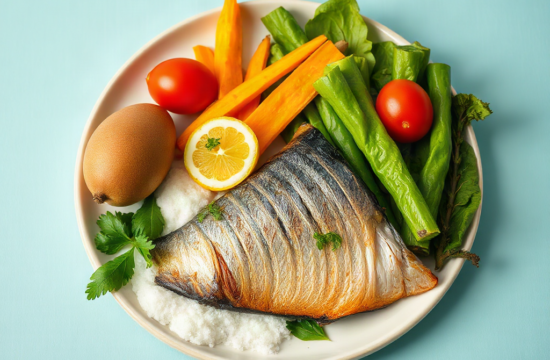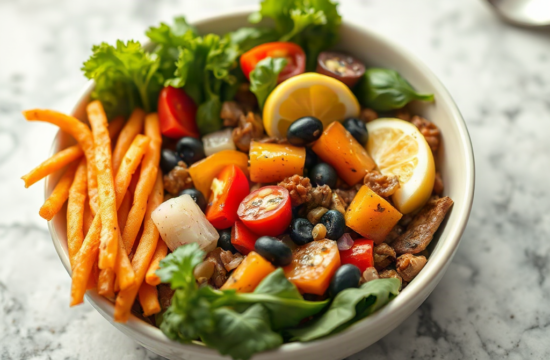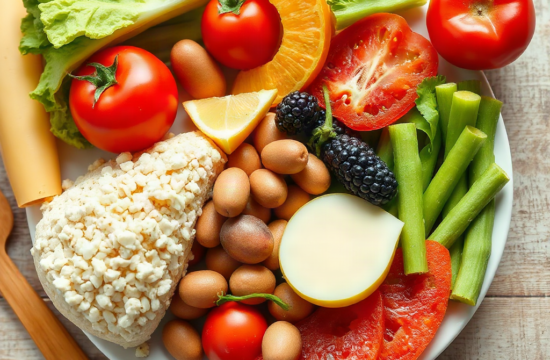

Understanding the specific dietary habits that may hinder weight loss is crucial. For instance, excessively cutting calories can slow metabolism, while not consuming enough protein can lead to muscle loss, which is detrimental to fat burning. Prioritizing balanced meals that include healthy fats, proteins, and carbohydrates can create a sustainable calorie deficit without sacrificing essential nutrients.
Additionally, many individuals fail to recognize the role of hydration and its impact on metabolism. Dehydration can often be mistaken for hunger, leading to unnecessary snacking. Drinking adequate water throughout the day can help regulate appetite and support metabolic processes. Recognizing these common pitfalls is essential for anyone aiming for effective fat loss.
The Impact of Caloric Restriction
Excessive caloric restriction is a common error in many diets, often leading to metabolic slowdown. When the body perceives a significant drop in calorie intake, it may respond by conserving energy, thus slowing down the metabolism. This phenomenon can make it increasingly difficult to lose fat over time.
To avoid this, it’s essential to implement a moderate caloric deficit rather than an extreme one. A gradual reduction in calories allows the body to adapt without triggering a survival response that would hinder fat loss. Incorporating regular physical activity can also help maintain a healthy metabolism while promoting fat loss.
Furthermore, understanding the importance of nutrient-dense foods is vital. Instead of focusing solely on calories, prioritize foods rich in vitamins, minerals, and fiber, which can enhance satiety and support overall health. This approach not only aids in fat loss but also contributes to long-term wellness.
Understanding Macronutrients
Macronutrients—proteins, fats, and carbohydrates—play a crucial role in fat loss. Each macronutrient has a specific function that contributes to overall health and energy balance. For example, protein is essential for muscle maintenance, which is key for a healthy metabolism.
Many dieters overlook the importance of adequate protein intake, leading to muscle loss and a decrease in metabolic rate. Incorporating high-quality protein sources such as lean meats, legumes, and dairy can help mitigate this issue. Additionally, healthy fats are vital for hormone production, while carbohydrates provide the necessary energy for daily activities and workouts.
Balancing these macronutrients according to individual energy needs and activity levels can optimize fat loss efforts. It’s important to avoid extreme low-carb or low-fat diets that can lead to nutrient deficiencies and unsustainable eating habits.
The Role of Hydration
Hydration is often overlooked in dietary plans, yet it significantly impacts metabolic processes and appetite regulation. When the body is dehydrated, it can confuse thirst for hunger, leading to unnecessary calorie consumption.
To ensure proper hydration, aim for a minimum of eight glasses of water per day, adjusting for activity levels and climate. Including hydrating foods like fruits and vegetables can also contribute to overall fluid intake. Staying hydrated supports metabolic functions and can help reduce cravings, making it easier to stick to a fat loss plan.
Support Your Weight Loss Goals
Huge Discount on the Best Certified Organic Nutrient Dense Supplement!
Moreover, proper hydration can enhance exercise performance, allowing for more effective workouts that contribute to fat loss. Prioritizing hydration is a simple yet effective strategy for improving dietary outcomes.
Common Dietary Mistakes
Many dieters inadvertently sabotage their fat loss efforts through common dietary mistakes. These can include skipping meals, relying on processed foods, and neglecting to track food intake accurately. Skipping meals can lead to increased hunger later in the day, resulting in overeating.
To combat this, aim for regular meal patterns that include balanced meals and snacks throughout the day. This approach helps maintain stable blood sugar levels and prevents cravings from becoming overwhelming. Additionally, being mindful of portion sizes and food choices is essential for creating a sustainable calorie deficit.
Lastly, keep in mind that emotional eating can also derail fat loss efforts. Identifying triggers for emotional eating and developing healthier coping mechanisms can support long-term success in achieving fat loss goals.
Further Reading
For those seeking more in-depth information, consider exploring resources from reputable health organizations, nutritionists, and scientific studies on diet and fat loss. Understanding the science behind nutrition can empower you to make informed choices that align with your fat loss objectives.
Further Reading
Authoritative Sources
- Ready.gov
ready.govOfficial U.S. preparedness guidance, checklists, and planning resources for households and emergencies.
- FEMA
fema.govFederal emergency management resources, disaster planning information, and recovery guidance.
- American Red Cross Emergency Preparedness
redcross.orgPractical emergency preparation steps, supply lists, and safety guidance for families.
- National Weather Service
weather.govOfficial forecasts, hazard alerts, and weather safety information.
- CDC Emergency Preparedness and Response
cdc.govPublic health guidance for emergencies, disasters, and recovery situations.
Frequently Asked Questions
What are the most common mistakes that prevent fat loss?
Common mistakes include excessive caloric restriction, skipping meals, neglecting protein intake, and misinterpreting hunger signals.
How important is hydration for fat loss?
Hydration is crucial as it helps regulate appetite and supports metabolic processes, making it easier to stick to a diet.
Can I lose fat without counting calories?
Yes, focusing on whole foods, portion control, and mindful eating can be effective for fat loss without strict calorie counting.
How does protein intake affect fat loss?
Protein is essential for preserving muscle mass during weight loss, which helps maintain a healthy metabolism and supports fat burning.
Is emotional eating a barrier to fat loss?
Yes, emotional eating can lead to overeating and poor food choices, making it more difficult to achieve fat loss goals.
Conclusion
All in all, recognizing the factors that may hinder fat loss is essential for effective dieting. By avoiding common mistakes such as excessive caloric restriction, inadequate protein intake, and neglecting hydration, individuals can enhance their fat loss efforts. It is crucial to adopt a balanced approach that prioritizes nutrient-dense foods and regular meal patterns. By addressing these areas, you can create a sustainable and effective fat loss strategy that aligns with your health goals.
Support Your Weight Loss Goals
HUGE DISCOUNT ON THE BEST CERTIFIED ORGANIC NUTRIENT DENSE SUPPLEMENT!
Related Content
- Why Weight Loss Requires More Than Just Dieting: Understanding the Role of Lifestyle Changes and Mental Health
- Why Do Certain Foods Boost Fat Loss Naturally?
- Why Dieting Without a Plan Fails: Common Mistakes and Essential Strategies for Success
- How to Lose Weight Naturally with Mindful Eating
- 10 Powerful Tips for Mindful Eating for Weight Loss in 2025