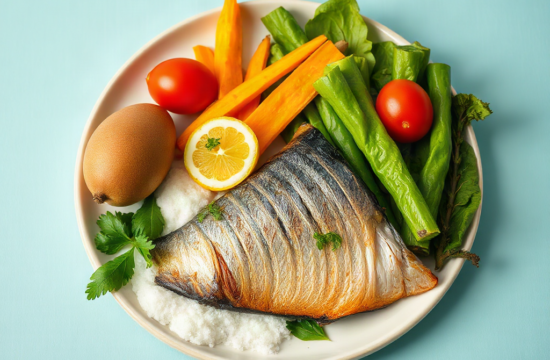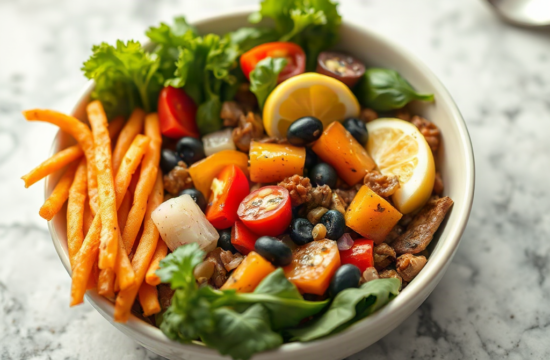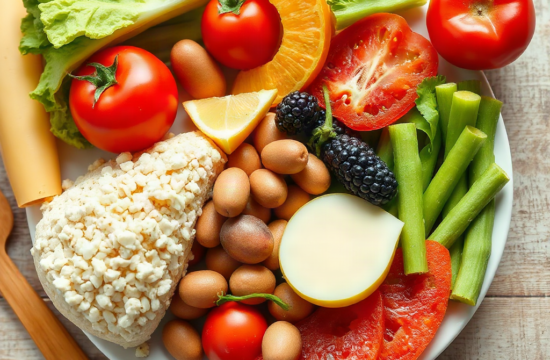

It’s essential to recognize that many traditional diets can be overwhelming and difficult to maintain. Instead of following a rigid meal plan, consider making smaller, more manageable changes to your daily routine. For instance, replacing sugary beverages with water or herbal teas can significantly reduce calorie intake while improving hydration. Additionally, integrating more fruits and vegetables into your meals can enhance nutrient intake without complicating your diet.
A common mistake is to expect immediate results from any weight loss effort. Understand that gradual changes tend to be more sustainable. Prioritizing consistency over perfection can help you build habits that last a lifetime.
Understanding Portion Control
Portion control is a crucial factor in weight management. It involves being mindful of the quantity of food you consume during meals. By using smaller plates and bowls, you can trick your brain into feeling satisfied with less food. This simple adjustment can lead to a significant reduction in caloric intake over time.
Many people underestimate portion sizes, often leading to overeating. To combat this, try measuring your food initially until you develop a sense of appropriate portions. This practice not only helps with weight loss but also encourages a more mindful approach to eating.
Additionally, consider the types of food you are consuming. High-calorie foods can quickly add up, making it easier to exceed your daily caloric needs. Focus on nutrient-dense foods that provide more volume for fewer calories, such as vegetables and lean proteins.
Incorporating Physical Activity
Regular physical activity is essential for maintaining a healthy weight and overall well-being. Aim for at least 150 minutes of moderate aerobic activity each week, such as brisk walking or cycling. Incorporating strength training exercises at least twice a week can further enhance your weight loss efforts by building muscle, which in turn increases your resting metabolic rate.
Finding enjoyable activities can make exercise feel less like a chore. Whether it’s dancing, hiking, or joining a local sports team, staying active in ways you enjoy will help you remain consistent. Moreover, integrating movement into your daily routine, like taking the stairs instead of the elevator or walking during breaks, can significantly contribute to your overall activity levels.
It’s important to listen to your body and not push too hard, especially if you’re just starting. Gradually increasing intensity and duration will help prevent injury and keep you motivated.
Choosing Whole Foods
Opting for whole foods over processed options is another effective strategy for weight loss. Whole foods, such as fruits, vegetables, whole grains, and lean proteins, tend to be lower in calories and higher in nutrients compared to processed foods, which often contain added sugars, unhealthy fats, and preservatives.
When shopping for groceries, focus on the perimeter of the store where fresh produce and meats are typically located. Avoid aisles filled with processed snacks and sugary cereals. Reading labels can also help you make informed choices—look for items with minimal ingredients and avoid those with added sugars and unhealthy fats.
Meal prepping can also be beneficial. Preparing meals in advance can help you avoid the temptation of fast food and make healthier choices more accessible during busy days.
Support Your Weight Loss Goals
Huge Discount on the Best Certified Organic Nutrient Dense Supplement!
Mindful Eating Practices
Mindful eating involves paying full attention to the experience of eating and drinking, both inside and outside the body. This practice can help you recognize hunger and fullness cues, leading to better food choices and portion control. By slowing down and savoring your food, you’re less likely to overeat.
Try to eliminate distractions during meals, such as watching TV or scrolling through your phone. Instead, focus on the flavors, textures, and aromas of your food. This heightened awareness can enhance your satisfaction and help you enjoy your meals more.
Additionally, consider keeping a food journal to track what you eat and how it makes you feel. This practice can help identify emotional eating patterns and promote healthier choices.
Further Reading
Authoritative Sources
- Choose MyPlate
choosemyplate.govThis resource provides guidelines for healthy eating and portion control, helping individuals make informed food choices
- CDC Healthy Weight
cdc.govThe CDC offers valuable information about maintaining a healthy weight through lifestyle changes
- Academy of Nutrition and Dietetics
eatright.orgA comprehensive resource for nutrition information and tips for healthy eating habits
Frequently Asked Questions
What are the best methods to lose weight without dieting?
Focus on portion control, regular physical activity, and choosing whole foods. These methods promote sustainable weight loss without the need for strict dieting.
How can I manage cravings while losing weight?
Stay hydrated, eat nutrient-dense foods, and practice mindful eating to help manage cravings and reduce the temptation to snack unnecessarily.
Is it possible to lose weight without exercise?
While exercise is beneficial for weight loss, making dietary changes and focusing on portion control can still lead to weight loss without formal exercise.
How long does it take to see results from lifestyle changes?
Results can vary, but many people start to notice changes within a few weeks of consistently implementing lifestyle adjustments.
What should I focus on first when trying to lose weight?
Start by assessing your current eating habits and gradually make changes, such as practicing portion control and incorporating more whole foods into your diet.