
Many people mistakenly believe that drastic calorie cutting is necessary for weight loss. However, this approach can lead to nutrient deficiencies, decreased metabolism, and unsustainable eating habits. Instead, adopting a mindful eating strategy that emphasizes quality over quantity is key. This involves choosing foods that are both satisfying and nutritious, allowing for a more enjoyable and sustainable weight loss journey.
The Role of Nutrient-Dense Foods
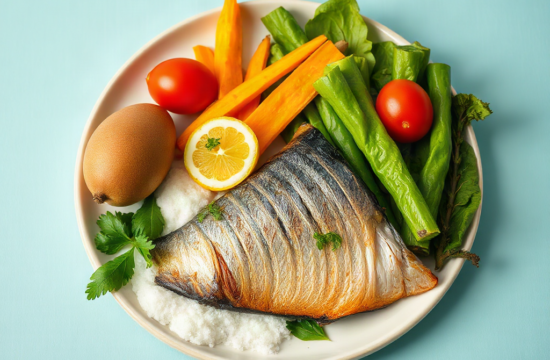
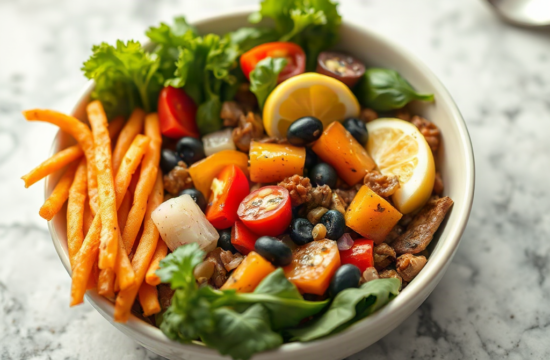
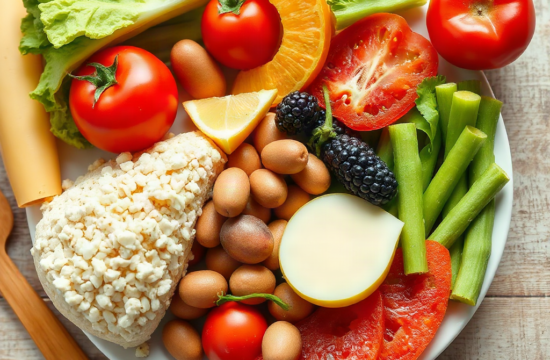
Nutrient-dense foods are those that provide a high amount of vitamins and minerals relative to their calorie content. Examples include leafy greens, berries, nuts, and lean proteins. Incorporating these foods into your diet can help you feel full while consuming fewer calories overall.
Focusing on nutrient-dense options not only aids in weight loss but also supports overall health. For instance, a diet rich in vegetables and fruits can improve digestion and reduce the risk of chronic diseases. Aim to fill half your plate with vegetables at every meal, and include a source of lean protein for balance.
Portion Control Strategies
Portion control is crucial for managing calorie intake without feeling deprived. This means being mindful of serving sizes and avoiding oversized portions that can lead to overeating. Using smaller plates, measuring out servings, and paying attention to hunger cues can help maintain appropriate portion sizes.
One effective strategy is to practice mindful eating. This involves slowing down during meals to savor each bite and recognize when you’re satisfied. Studies show that people who eat mindfully are less likely to overeat and can enjoy their food more thoroughly.
Incorporating Physical Activity
Physical activity plays a vital role in weight loss and overall health. It not only burns calories but also helps maintain muscle mass during weight loss. Aim for at least 150 minutes of moderate-intensity aerobic activity each week, along with strength training exercises on two or more days.
Finding enjoyable activities can make it easier to stick with a routine. Consider walking, cycling, swimming, or group fitness classes. The key is to choose activities that you enjoy, which will help you stay consistent and engaged in your fitness journey.
Common Mistakes to Avoid
Avoiding extreme calorie cutting is important, but there are common pitfalls to watch for. One mistake is underestimating calorie intake, often caused by mindless snacking or not tracking meals. Keeping a food diary can help you stay accountable and aware of your consumption patterns.
Support Your Weight Loss Goals
Huge Discount on the Best Certified Organic Nutrient Dense Supplement!
Another common issue is relying on low-calorie processed foods that may lack essential nutrients. Always prioritize whole foods over processed options, even if they seem lower in calories. This approach supports not only weight loss but also long-term health.
Further Reading
For more information on sustainable weight loss practices, consider checking reputable sources like the USDA Dietary Guidelines, which provide insights into healthy eating patterns, or the American Heart Association for tips on physical activity and nutrition.
Further Reading
Authoritative Sources
- MedlinePlus
medlineplus.govConsumer-friendly medical and health information from the U.S. National Library of Medicine.
- National Institutes of Health
nih.govResearch-based health information and links to authoritative medical resources.
- Centers for Disease Control and Prevention
cdc.govOfficial public health guidance, prevention resources, and topic-specific recommendations.
- Mayo Clinic
mayoclinic.orgTrusted clinical guidance, symptom explainers, and treatment overviews.
- World Health Organization
who.intGlobal health guidance, fact sheets, and evidence-based public health information.
Frequently Asked Questions
Can I lose weight without cutting calories drastically?
Yes, focusing on nutrient-dense foods and portion control allows for effective weight loss without severe calorie restriction.
What foods should I prioritize for weight loss?
Prioritize whole foods such as fruits, vegetables, lean proteins, and whole grains for a balanced diet that supports weight loss.
How important is physical activity in weight loss?
Physical activity is essential as it helps burn calories and maintain muscle mass, enhancing overall weight loss efforts.
What are common mistakes people make when trying to lose weight?
Common mistakes include underestimating calorie intake, relying on low-calorie processed foods, and not practicing portion control.
Can I snack while trying to lose weight?
Yes, healthy snacks can be part of your diet; focus on nutrient-dense options like fruits, nuts, or yogurt to stay satisfied.
Conclusion
All in all, losing weight without extreme calorie cutting is achievable through a focus on nutrient-dense foods, mindful portion control, and regular physical activity. Prioritizing whole foods and being aware of your eating habits can lead to sustainable weight loss while avoiding the pitfalls of drastic dieting. Start by incorporating these practical strategies into your daily routine to create a healthier relationship with food and achieve your weight loss goals.
Support Your Weight Loss Goals
Huge Discount on the Best Certified Organic Nutrient Dense Supplement!
Related Content
- How to Differentiate Between Hunger and Cravings: Understanding Physical Signals and Emotional Triggers
- How to Recover from a Weight Loss Plateau: Effective Strategies and Common Mistakes
- Natural Diet Tips for a More Restful Sleep
- Master Your Weight Loss Efforts Through These Great Ideas
- The Ultimate 2025 Guide to keto diet for beginners: 10 Effective Tips to Succeed