

Flexible dieting—often called “If It Fits Your Macros” (IIFYM)—is less about forbidding foods and more about meeting nutritional targets while living a full life. At its core, flexible dieting focuses on calories and macronutrients (protein, carbs, fats). The principle is simple: if you hit your daily calorie and macro goals, the specific foods can be varied. Myths swirl around that it allows endless junk food or sabotages health. In reality, flexible dieting works because it creates structure without rigidity: it teaches awareness, preserves metabolic function, and makes adherence realistic.
Calculate Your Macros: Personalizing the Plan
Start by estimating your calorie needs—use a reliable TDEE (Total Daily Energy Expenditure) calculator, then decide your goal: fat loss, maintenance, or muscle gain. From there split calories into macros. A common starting point: protein 0.7–1.0 g per pound of bodyweight, fats 20–35% of total calories, and fill the rest with carbohydrates. Adjust for lifestyle—athletes need more carbs; sedentary individuals may prefer slightly higher fats. Track for a few weeks and tweak based on energy, performance, and weight trends. Precision matters, but ruthless rigidity doesn’t—use macros as a compass, not handcuffs.
Smart Meal Composition: Balance Without Boredom
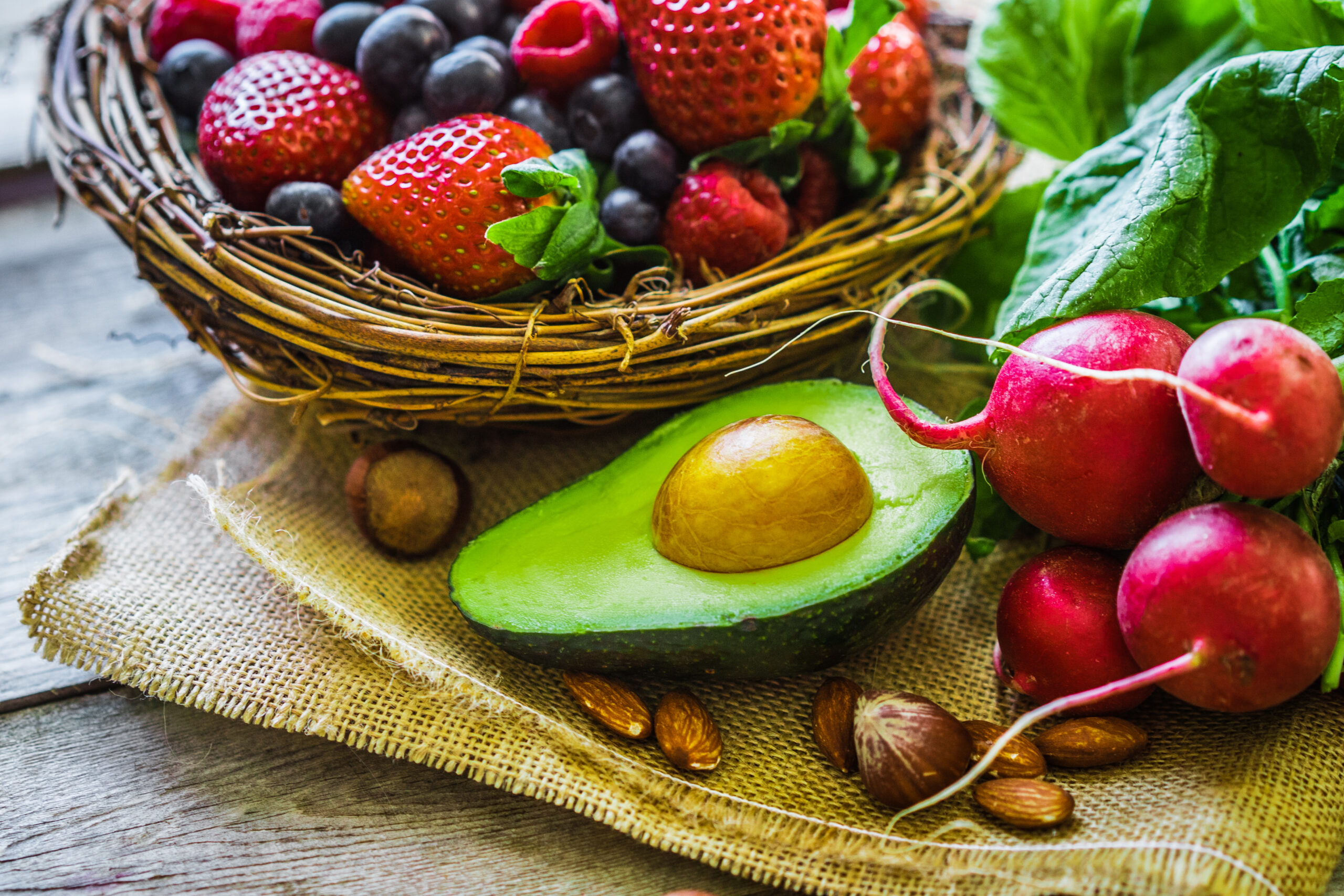
Variety keeps meals interesting and nutrients balanced. Think of each plate as a mini-plan: a lean protein source (chicken, tofu, fish), a colorful serving of vegetables for micronutrients and fiber, a carbohydrate for fuel (sweet potato, quinoa, wholegrain bread), and a healthy fat (avocado, olive oil, nuts). Spice it up with international flavors—Mexican bowls, Mediterranean salads, Thai stir-fries—to avoid monotony. Batch-cook staples and mix sauces for quick, tasty combos that still fit your macros. This approach prevents the “all or nothing” mindset that derails diets.
Treats, Social Life, and the Art of Moderation
Flexible dieting legitimizes treats. Want a slice of pizza or a scoop of ice cream? Build it into your daily macros. This makes social events less stressful and reduces binge potential. The art of moderation is also about context: a one-off indulgence won’t ruin long-term progress if it’s followed by consistent healthy choices. Practice portion control, savor each bite, and plan indulgences—this prevents guilt and keeps you connected to your social life.
Track, Tweak, and Break Through Plateaus
Tracking is feedback, not punishment. Use apps to monitor macros and calories, and log workouts, sleep, and stress. When progress stalls, first check adherence and activity levels. Small adjustments—reducing 5–10% of calories, increasing protein, or adding a couple of weekly cardio sessions—can restart progress. Consider cyclical dieting (refeeds) or a short diet break to restore hormones and motivation. Patience and iterative tweaks beat drastic swings.
Sustainable Habits: Turning Short-Term Wins Into Lifetime Results

Sustainability is the endgame. Build habits: consistent protein at meals, prepping veggies for the week, mindful eating, and periodic reassessment of goals. Celebrate non-scale wins—energy, strength, confidence. Flexible dieting isn’t a quick fix; it’s a toolbox for lifelong balance. With realistic targets, strategic treats, and steady tracking, you can achieve real results—and keep them.