You’ve tried the grapefruit cleanse, the 10-day juice plan, and the “eat-only-blue-food” challenge. They promised fast results and dramatic change. What they didn’t deliver was sustainability. Quick-fix diets often give you a rush of motivation and a pile of restrictions—but not a long-term solution. Here’s a practical, science-backed way to ditch the fads and build a sustainable approach to dieting that actually works.
Why Fad Diets Fail: The Science and Psychology Behind Quick Fixes
Fad diets exploit short-term biological responses: rapid weight loss is mostly water and glycogen depletion, not fat loss. Your body reacts to extreme restrictions by slowing metabolism and increasing hunger hormones like ghrelin. Psychologically, rigid rules set you up for rebellion—when deprivation meets real life, bingeing becomes likely. Add reward-seeking brain chemistry and the social pressure of “all or nothing” thinking, and you’ve got a recipe for relapse. Real change requires solutions that the brain and body can accept over months and years, not days.
The Pillars of Sustainable Eating: Quality, Variety, and Consistency
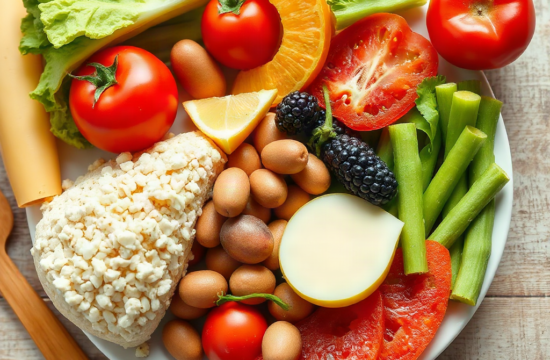
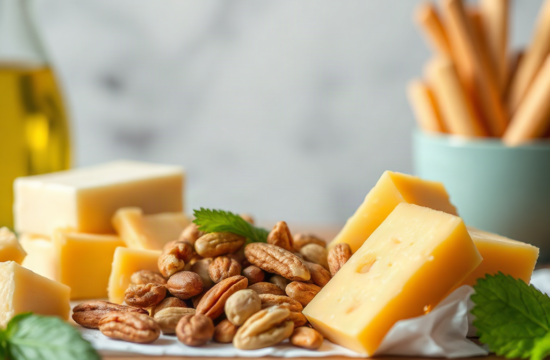
Sustainable eating rests on three simple pillars. First, quality: prioritize whole, minimally processed foods that provide nutrients and satiety—lean proteins, whole grains, legumes, vegetables, fruits, nuts, and healthy fats. Second, variety: rotating foods prevents boredom, reduces nutrient gaps, and supports a healthy microbiome. Third, consistency: steady patterns beat sporadic extremes. Together these pillars help the body regulate energy, stabilize mood, and maintain progress without feeling deprived.
Designing a Flexible, Personalized Plan That Fits Your Life
There’s no one-size-fits-all. Start by clarifying your goals—energy, health markers, or body composition—and your constraints: time, budget, cultural foods, and family preferences. Build a template: a protein source, a fiber-rich carb, vegetables, and a healthy fat at most meals. Allow swaps and restaurant-friendly choices. Track what feels good—energy levels, hunger, sleep—and adjust. Flexibility makes adherence feasible. Personalization turns rules into choices you’re willing to keep.
Habits Over Hype: Small Daily Changes That Actually Add Up
Big transformations come from tiny, repeatable habits. Swap sugary soda for sparkling water one day a week, add an extra vegetable at dinner, or choose walking meetings twice a week. Use “habit stacking”: after I brush my teeth, I prep a lunchbox; after dinner, I pack snacks for tomorrow. Small wins build confidence and create momentum. Over months, those 5–10 minute choices compound into meaningful body and health changes.
Handling Setbacks and Social Pressure Without Sabotaging Progress
Setbacks happen—vacations, parties, stress. Plan for them. Use coping scripts (“I’m focusing on health goals right now”), bring a dish you enjoy, or set a “treat” budget so indulgence doesn’t turn into derailment. If you slip, skip shame; analyze what triggered it and plan a different response next time. People who recover quickly are the ones who stay consistent long-term.
Maintenance Mode: Turning Healthy Choices Into a Lifelong Lifestyle
Maintenance is less glamorous than the initial chase, but it’s the real goal. Shift from rule-following to value-driven choices: prioritize sleep, movement, and meals that make you feel good. Periodically reassess goals and enjoy flexible “check-ins” rather than constant strict monitoring. When healthy habits are woven into identity—“I’m the kind of person who chooses whole foods most days”—the lifestyle sticks.

Ditch the quick fixes and build a diet you can live with. Small, consistent steps rooted in science and real life will get you farther than any extreme trend ever could.