We live in an era where diets are either preachy or confusing, and the middle ground — sustainable balance — gets ignored. A balanced plate isn’t about strict rules or deprivation; it’s about proportions, presence, and practicality. When you shift focus from perfect food choices to sensible portions and real-life habits, dieting stops feeling like punishment and starts feeling like nourishment for the whole person.

The New Food Pyramid: Proportions Over Perfection
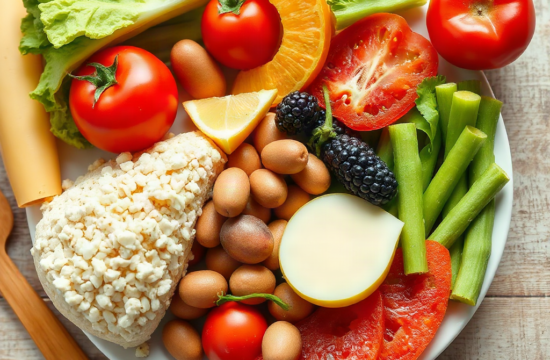
Forget the towering food pyramids of old that promoted sin or saintly foods. The modern approach centers on proportions: plate models that slot vegetables, proteins, whole grains, and healthy fats into sensible ratios. Think half your plate as vegetables and fruit, a quarter protein, and a quarter whole grains, with a small drizzle of oil or a handful of nuts. This isn’t rigid math; it’s a visual cue that helps you build meals that satisfy hunger, supply nutrients, and keep calories reasonable. Proportions let you enjoy a diversity of foods without the guilt cycles that follow “cheat” meals. Over time, your body—and your taste buds—learns balance.

Eat with Intention: Mindful Habits for Real Life
Mindful eating is more than slow chewing; it’s paying attention to hunger signals, savoring flavors, and noticing emotional triggers. Start small: put your phone away for one meal a day, take three deep breaths before your first bite, and check in halfway through to judge fullness. These habits help prevent overeating and make meals more enjoyable. Mindfulness also guards against reactive eating—grabbing snacks out of boredom or stress. When you eat with intention, you reclaim control and turn food into a source of pleasure and fuel, not a distraction or reward.
Nutrition That Fits Your Life: Timing, Quality, and Metabolism
There’s no one ideal schedule that suits everyone. Meal timing should align with your work, sleep, and activity patterns. If you have a long morning, a protein-rich breakfast can stabilize energy. If you exercise in the evening, plan a carb-plus-protein post-workout snack to recover. Quality matters too: whole foods beat ultra-processed options for satiety and micronutrients. In summary, respect your metabolism. Age, gender, genetics, and activity level influence how you process food. Instead of chasing celebrity meal plans, tweak macros and meal timing experimentally and keep what makes you feel energized and focused.
From Grocery to Plate: Practical Strategies for Balanced Meals
Turn balance into habit with a few pragmatic moves. Shop the perimeter of the store for fresh produce, lean proteins, and dairy, then add a few whole-grain staples from the center aisles. Batch-cook versatile proteins and roasted vegetables on weekends so weeknight meals stay simple. Use a color rule—three colors on a plate—to ensure variety and nutrients. Keep sauces and dressings on the side to control added fats and sugars. In summary, plan leftovers creatively: yesterday’s roasted veggies can become tomorrow’s grain bowl with a new sauce or spice. Small systems reduce decision fatigue and keep your plate consistently balanced.
Balance isn’t a destination; it’s a practice. By prioritizing proportions, eating mindfully, tuning nutrition to your life, and bringing simple systems from grocery to plate, dieting transforms from a temporary fix into a lifelong way to feel better, move easier, and enjoy food without fear.