Table of Contents
- 1. Understand the Basics of Keto Intermittent Fasting
- 2. Choose the Right Fasting Window for You
- 3. Focus on Nutrient-Dense Foods During Eating Periods
- 4. Incorporate Effective Keto-Friendly Workouts
- 5. Stay Hydrated and Use Electrolytes Properly
- 6. Use Technology to Track and Optimize Your Fasting
- 7. Manage Common Challenges and Plateaus
- 8. Leverage Supplements for Better Results
- 9. Adjust Your Approach Based on Your Progress
- 10. Stay Consistent and Patient for Long-Term Success
1. Understand the Basics of Keto Intermittent Fasting
What Is Keto Intermittent Fasting?
Keto intermittent fasting combines two powerful health strategies: following a ketogenic diet and practicing intermittent fasting. In 2025, more people are turning to this approach to optimize fat burning, improve mental clarity, and boost overall wellness. The core idea is to shift your body into a state of ketosis while timing your food intake for maximum benefits.
During a typical keto intermittent fasting regimen, you alternate periods of eating low-carb, high-fat foods with fasting windows. This approach enables your body to burn fat more efficiently, while also maintaining stable blood sugar levels. Itâs particularly popular among busy professionals and fitness enthusiasts who want to save time and achieve rapid results.
Understanding how keto intermittent fasting works is crucial for success. It requires balancing macronutrients, timing your fasts correctly, and adapting your diet to support ketosis. Letâs explore how these elements come together to create a sustainable, results-driven lifestyle in 2025.
2. Choose the Right Fasting Window for You
Types of Fasting Windows
When practicing keto intermittent fasting, selecting a fasting window that fits your lifestyle is essential. Some popular options include the 16/8 method, where you fast for 16 hours and eat during an 8-hour window. Others prefer the 20/4 or even 24-hour fasts once a week. In 2025, personalization remains key.
For beginners, starting with a 14/10 or 12/12 schedule can ease the transition into fasting. As you gain experience, you can gradually extend fasting periods for better fat oxidation and metabolic benefits. Consistency is more important than the length of fasts in the early stages.
The best approach is to choose a fasting window that aligns with your daily routine and energy needs. Listening to your body helps prevent burnout and reduces the risk of overeating or fatigue. Remember, the goal is sustainable progress over quick fixes.
3. Focus on Nutrient-Dense Foods During Eating Periods
What to Eat on a Keto Intermittent Fasting Plan
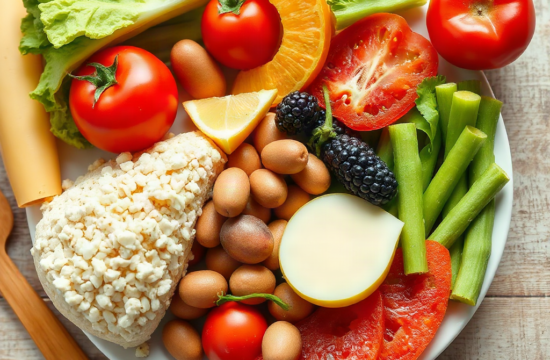
In 2025, the emphasis on nutrient-dense, keto-friendly foods becomes more crucial for optimizing results. When you break your fast, choose foods rich in healthy fats, moderate protein, and minimal carbs. This helps sustain ketosis and provides essential nutrients.
Examples include avocado, fatty fish like salmon, nuts, seeds, and olive oil. Incorporating fiber-rich vegetables ensures you get enough micronutrients without knocking you out of keto. Eating clean and balanced meals supports overall health and sustainable fat loss.
Planning ahead is vital. Consider prepping meals that align with your keto intermittent fasting routine to avoid impulsive, carb-laden choices. By maintaining a nutrient-dense diet, you’ll experience better satiety and energy, making your fasting journey smoother.
4. Incorporate Effective Keto-Friendly Workouts
Best Exercises for Maintaining Muscle and Fat Loss
Exercise complements keto intermittent fasting by enhancing fat burning and preserving muscle mass. In 2025, strength training combined with cardio is proven to yield significant results. Lifting weights a few times a week helps maintain lean muscle, which is vital for boosting metabolism.
On fasting days, low-intensity activities like walking, yoga, or light cardio are ideal. High-intensity workouts can be scheduled during eating windows, ensuring you have adequate energy and nutrients to recover. Adjusting workout timing based on your fasting schedule maximizes benefits.
Remember, listening to your body is key. If you feel sluggish during fasted workouts, consider modifying intensity or hydration strategies. Staying active while aligning with keto intermittent fasting accelerates progress toward your health goals in 2025.
5. Stay Hydrated and Use Electrolytes Properly
The Importance of Hydration in Fasting
Proper hydration is often overlooked but is critical during keto intermittent fasting. Fasting and keto diets both promote diuresis, leading to electrolyte loss. In 2025, maintaining electrolyte balance is recognized as essential for preventing fatigue, muscle cramps, and dizziness.
Incorporate mineral-rich foods and consider electrolyte supplements if needed. Adding a pinch of salt to your water or using electrolyte powders can make a notable difference. Aim to drink at least 8-10 glasses of water daily, especially during fasting periods.
Monitor your body’s signalsâthirst, headache, or muscle weakness could indicate electrolyte imbalances. Prioritizing hydration and electrolytes improves physical performance, mood, and long-term sustainability of your keto intermittent fasting routine.
6. Use Technology to Track and Optimize Your Fasting
Apps and Devices for Better Results
In 2025, smart technology plays a significant role in managing keto intermittent fasting. Apps like Zero, Life Fasting Tracker, or MyFitnessPal help track fasting windows, food intake, and macronutrient ratios. Wearables can monitor your activity levels and physiological responses.
These tools provide insights into your progress and allow you to make data-driven adjustments. Tracking your ketone levels with blood or breath meters ensures you stay in ketosis, maximizing fat-burning potential. Consistent monitoring helps prevent plateaus and keeps motivation high.
Leverage these digital resources to stay organized and accountable. Combining technology with your personal experience creates an effective system for achieving your 2025 health goals through keto intermittent fasting.
Support Your Weight Loss Goals
Huge Discount on the Best Certified Organic Nutrient Dense Supplement!

7. Manage Common Challenges and Plateaus
Overcoming Steadies and Adjusting Strategies
Plateaus are normal in any weight loss journey, including keto intermittent fasting. In 2025, understanding how to navigate these hurdles is vital for sustained success. Common issues include metabolic slowdown, boredom, or hormonal adaptations.
Strategies include varying fasting durations, tweaking macronutrient ratios, or incorporating refeeding days. Additionally, ensuring adequate sleep, stress management, and hydration can help break through stagnation. Patience is key; your body needs time to adjust to new routines.
Tracking progress carefully and being flexible allows you to make informed modifications. Remember, perseverance through plateaus leads to long-term transformation and better understanding of your body’s responses.
8. Leverage Supplements for Better Results
Key Supplements to Support Your Fasting Journey
While a clean keto diet paired with intermittent fasting provides the foundation, certain supplements can enhance your results in 2025. MCT oil boosts ketone production, providing quick energy during fasting periods. Electrolyte powders prevent imbalances, as mentioned earlier.
Other helpful supplements include exogenous ketones, which may improve mental clarity, and vitamin D for immune support. Always consult with a healthcare provider before adding new supplements to your regimen. Minimizing unnecessary intake and focusing on quality ensures safety and effectiveness.
Supplementation should complement balanced eating and fasting practices, not replace them. When used wisely, these aids can accelerate fat loss, boost energy, and enhance overall well-being during your keto intermittent fasting journey.
9. Adjust Your Approach Based on Your Progress
Listening to Your Body and Making Data-Driven Changes
In 2025, adaptive strategies are essential for long-term success with keto intermittent fasting. Regularly evaluating your progressâwhether through weight, body composition, or energy levelsâguides necessary adjustments. If results plateau, changing your fasting schedule or dietary intake may be required.
For example, some individuals find success by incorporating carb cycling or refeeding days to reset metabolism. Others might need to increase the intensity or duration of fasts, always respecting their comfort and health limits. Staying flexible helps sustain motivation and prevents burnout.
Document your journey and listen to your body’s signals. Being proactive about modifications ensures continued progress and a healthier, more sustainable lifestyle.
10. Stay Consistent and Patient for Long-Term Success
Building Habits and Maintaining Motivation
Achieving lasting results with keto intermittent fasting in 2025 hinges on consistency. Developing a routine that fits your lifestyle makes it easier to stick with the plan long-term. Celebrate small wins to stay motivated and reinforce positive habits.
Patience is criticalâfat loss and health improvements take time. Remember that setbacks are normal; what matters is your perseverance. Tracking your progress and adjusting routines as needed keeps you aligned with your goals.
Ultimately, the key to success is embedding keto intermittent fasting into your lifestyle seamlessly. Small, consistent steps produce powerful results over time, leading to a healthier, more vibrant you in 2025 and beyond.
Frequently Asked Questions about Keto Intermittent Fasting
1. What is the best way to start keto intermittent fasting in 2025?
Begin by choosing a manageable fasting window, such as 14/10, and gradually extend it as your body adapts. Focus on consuming nutrient-dense, keto-friendly foods during your eating periods, and stay hydrated. Track your progress to identify what works best for you.
2. Can I do keto intermittent fasting every day?
Yes, many people practice daily intermittent fasting with a keto diet. However, listening to your body is vital. Some may benefit from having fasting days off or varying their fasting schedules to prevent burnout and ensure hormonal balance.
3. How does keto intermittent fasting improve health in 2025?
This approach enhances fat burning, stabilizes blood sugar, and improves brain health. Studies in 2025 also highlight its potential to reduce inflammation and support longevity when combined with a balanced diet and active lifestyle.
4. Are there any risks associated with keto intermittent fasting?
Risks include nutrient deficiencies, dehydration, or hormonal disruptions if not done correctly. Consult with a healthcare provider before starting, particularly if you have underlying health conditions.
5. Why is ‘keto intermittent fasting’ so popular in 2025?
Its popularity stems from increasing scientific evidence supporting its effectiveness for weight loss, metabolic health, and cognitive benefits, making it a go-to strategy for holistic wellness in 2025.
Conclusion
In 2025, mastering keto intermittent fasting offers a transformative path to improved health, increased energy, and sustainable weight management. By understanding the fundamentals, customizing your fasting window, focusing on nutrient-dense foods, and leveraging modern technology, you set yourself up for success. Patience, consistency, and adaptability are your best allies on this journey. Remember, the right strategies tailored to your unique needs will make all the difference in achieving long-lasting results in 2025 and beyond.
Huge Discount on the Best Certified Organic Nutrient Dense Supplement!
Related Content
- Unlock Rapid, Natural Weight Loss Strategies That Transform Your Body Without Extreme Diets
- 10 Effective low glycemic diet tips (2025 Guide to Better Blood Sugar)
- How to Create a Diet That Works: Essential Methods for Lasting Success
- Why Dieting Without a Plan Fails: Common Pitfalls and Effective Strategies
- Small Changes, Big Results: 30-Day Diet Tweaks That Actually Work