- 1. Understanding Intermittent Fasting and Its Benefits
- 2. Choosing the Right Fasting Method for You
- 3. Incorporating Nutrient-Dense Foods During Eating Windows
- 4. Timing Your Fasts for Maximum Fat Loss
- 5. Staying Hydrated and Managing Hunger
- 6. Combining Intermittent Fasting with Exercise
- 7. Tracking Progress and Adjusting Your Strategy
- 8. Common Mistakes to Avoid During Weight Loss with Intermittent Fasting
- 9. Mental and Emotional Support Tips
- 10. Scientific Insights and Future Trends for 2025
1. Understanding Intermittent Fasting and Its Benefits
What Is Intermittent Fasting?
Intermittent fasting (IF) is an eating pattern that cycles between periods of fasting and eating. Unlike traditional diets, it doesn’t specify what foods to eat but rather when to eat. In 2025, it remains one of the most popular approaches for achieving weight loss with intermittent fasting because of its simplicity and proven effectiveness.
This method leverages the body’s natural fasting cycles to promote fat burning, reduce insulin levels, and improve metabolism. The key is to restrict calorie intake during designated periods, which creates a calorie deficit essential for weight loss. Many people find IF easier to stick to than calorie-counting diets, making it an attractive option for sustainable weight management.
Research consistently shows that intermittent fasting can lead to significant weight loss, improved metabolic health, and even longevity benefits. Itâs adaptable to various lifestyles, from those with busy schedules to individuals seeking a structured yet flexible approach to weight loss with intermittent fasting.
Overall Benefits Beyond Weight Loss
Beyond just shedding pounds, intermittent fasting offers several health advantages. It can help improve insulin sensitivity, lower blood sugar levels, and reduce inflammation, which are crucial for preventing chronic diseases. In 2025, studies are emphasizing how IF can contribute to brain health and longevity by promoting cellular repair and reducing oxidative stress.
Many individuals experience better mental clarity and increased energy levels while practicing fasting protocols. Additionally, intermittent fasting can foster healthier eating habits by encouraging mindful food choices during eating windows, supporting long-term weight management efforts.
For those targeting weight loss with intermittent fasting, understanding its comprehensive health benefits can boost motivation and adherence over time.
2. Choosing the Right Fasting Method for You
Popular Fasting Schedules
There are several popular fasting schedules, each suited for different lifestyles and preferences. The 16/8 method, where you fast for 16 hours and eat during an 8-hour window, remains the most favored for weight loss with intermittent fasting in 2025. Itâs simple to implementâoften just skipping breakfast and having your first meal at noon.
The 5:2 method involves eating normally five days a week while drastically reducing calorie intake (around 500-600 calories) on two non-consecutive days. This approach can fit well into busy schedules while still promoting effective weight loss. Another option is the Eat-Stop-Eat method, which entails a 24-hour fast once or twice weekly, offering flexibility for those who prefer longer fasts.
Choosing the right fasting schedule requires considering your daily routine, social commitments, and health goals. Starting with a moderate plan like 16/8 can help you ease into the benefits of intermittent fasting and determine what works best.
Personalizing Your Fasting Plan
Personalization is key to long-term success with weight loss with intermittent fasting. Some people might find extended fasts challenging and prefer shorter fasting windows. Others benefit from periodic longer fasts for added metabolic benefits. Itâs essential to listen to your body and adjust accordingly.
For example, if you notice low energy or difficulty concentrating, gradual adjustments or a different schedule may be necessary. Consulting with a healthcare professional before starting any fasting regimen is especially recommended for individuals with underlying health conditions.
Remember, the goal is consistency and sustainability. An individualized approach will help you stay committed and make fasting a healthy, integral part of your lifestyle.
3. Incorporating Nutrient-Dense Foods During Eating Windows
Prioritizing Whole Foods
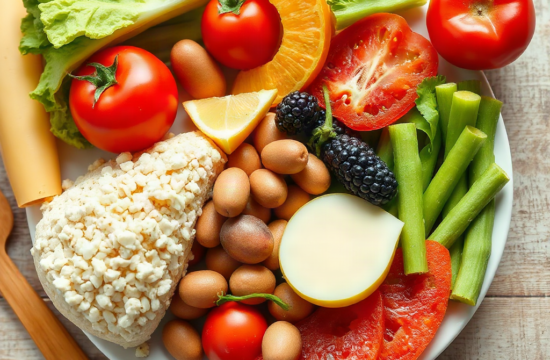
During your eating window, focus on consuming whole, unprocessed foods rich in nutrients. Foods like leafy greens, berries, lean proteins, nuts, and healthy fats provide essential vitamins and minerals that support overall health and aid in weight loss with intermittent fasting. A nutrient-dense diet minimizes empty calories, ensuring you get the most out of your calories.
Adding fiber-rich foods like vegetables, legumes, and whole grains can also help you feel full longer, reducing overeating during your feeding periods. Well-balanced meals stabilize blood sugar levels and prevent extreme hunger that could disrupt your fasting schedule.
In 2025, dietary guidelines emphasize plant-based, minimally processed foods for optimal health benefits alongside fasting practices. Incorporating these foods promotes sustainable weight loss and boosts energy levels.
Smart Meal Composition
To maximize benefits, pair lean proteins with healthy fats and complex carbs in each meal. For example, grilled chicken with avocado and quinoa offers a balanced, satisfying dish. Including omega-3 fatty acids from sources like salmon or walnuts can reduce inflammation and support metabolic health.
By planning meals ahead, you ensure consistent nutrient intake and prevent impulsive eating. Keep portions manageable to maintain your desired calorie deficit while still fueling your body adequately.
Learning to prepare tasty, nutrient-dense meals can make all the difference in achieving long-term results through effective weight loss with intermittent fasting.
4. Timing Your Fasts for Maximum Fat Loss
Optimal Fasting Windows
The timing of your fasting periods can significantly influence fat burning. For instance, aligning fasting hours with your natural circadian rhythmâsuch as fasting during the evening and nighttimeâcan enhance metabolic efficiency. In 2025, experts recommend a 16/8 schedule starting earlier in the day, like 6 am to 10 pm, to capitalize on daytime activity.
Additionally, fasting during the morning hours and having a feasting window later in the day can leverage the body’s peak insulin sensitivity, leading to better fat utilization. Combining time-restricted eating with physical activity during fasting can further amplify fat loss results.
Experimentation is vital. Some individuals find they lose weight faster when fasting in the morning, while others prefer evening fasts. Tracking your progress helps determine the most effective timing for your body.
Meal Timing and Sleep Patterns
Maintaining regular sleep patterns supports the effectiveness of intermittent fasting efforts. Poor sleep can elevate hunger hormones like ghrelin, making fasting more challenging. In 2025, integrating sleep hygiene practices with fasting routines can enhance fat burning and overall health.
Ideally, avoid eating close to bedtime to improve sleep quality and prevent gut discomfort. Fasting in alignment with sleep cycles helps your body naturally burn fat and recover optimally.
Strategic timing of fasting windows combined with good sleep hygiene creates an ideal environment for sustainable weight loss with intermittent fasting.
5. Staying Hydrated and Managing Hunger
The Importance of Hydration
During fasting periods, staying hydrated is crucial. Water, herbal teas, and black coffee can help suppress appetite and keep you energized. Dehydration can often be mistaken for hunger, leading to unnecessary snacking that disrupts your fast.
In 2025, experts recommend drinking at least 8-10 glasses of water daily, especially when fasting. Adding electrolytes during longer fasts can prevent imbalances and reduce fatigue. Plenty of hydration supports digestion, detoxification, and overall well-being.
Developing a hydration routine ensures your body functions properly and enhances your fasting experience for effective weight loss with intermittent fasting.
Strategies to Manage Hunger
Managing hunger is one of the biggest challenges, but there are practical tips. Drinking water often can curb cravings. Including high-fiber, high-protein foods during eating windows helps you feel fuller longer.
_fakeIt helps to keep busy and distracted during fasting hours. Gentle physical activity like walking can also reduce feelings of hunger while boosting fat burning.
Gradually increasing fasting durations allows your body to adjust, making cravings easier to handle over time. These strategies support sustained weight loss with intermittent fasting in 2025.
6. Combining Intermittent Fasting with Exercise
Best Practices for Workout Timing
Combining exercise with intermittent fasting can accelerate fat loss, but timing matters. Some people prefer exercising during their fasting window, often in the morning, as studies suggest it may promote greater fat oxidation.
Alternatively, working out after your first meal ensures you have enough energy for intensity. Light to moderate activities, such as walking or yoga, are suitable during fasting, while more intense workouts can be scheduled during feeding windows.
In 2025, personalized workout plans that align with fasting schedules enhance results and minimize fatigue. Listening to your body is essential for safety and effectiveness.
Building a Balanced Routine
The key to successful weight loss with intermittent fasting and exercise is consistency. Incorporate strength training to preserve muscle mass and boost metabolic rate while fasting.
Support Your Weight Loss Goals
Huge Discount on the Best Certified Organic Nutrient Dense Supplement!

Schedule rest days and avoid overtraining, which can lead to burnout or injuries. Proper nutrition around workoutsâhaving a nutritious meal post-exerciseâsupports recovery and weight loss goals.
Combining these strategies creates a holistic approach to effective, sustainable weight loss in 2025.
7. Tracking Progress and Adjusting Your Strategy
Effective Monitoring Tools
Tracking your weight, measurements, and body composition can help you assess progress and make necessary adjustments. Using apps, journals, or digital scales ensures accurate data collection. In 2025, wearable devices also offer real-time insights into caloric burn, activity levels, and sleep patterns.
Monitoring hunger levels, energy, and mood provides a comprehensive picture of how your fasting plan impacts overall well-being. Remember, weight can fluctuate naturally; focus on long-term trends rather than daily changes.
Adjusting your fasting schedule or caloric intake based on progress is crucial for continued success with weight loss with intermittent fasting.
When to Make Changes
If you hit a plateau or experience persistent fatigue or hunger, consider modifying your fasting window, meal composition, or exercise routine. Small tweaks can reinvigorate your progress and prevent frustration.
Seeking feedback from health professionals or experienced community members can offer new perspectives and strategies. Remember, flexibility and patience are key components of sustainable weight management.
Personalized adjustments ensure your journey remains effective and enjoyable in 2025.
8. Common Mistakes to Avoid During Weight Loss with Intermittent Fasting
Overeating During Eating Windows
One common mistake is compensating for fasting periods by overeating. This can negate calorie deficits and stall weight loss. Focus on balanced, moderate portion sizes and avoid bingeing.
Practicing mindful eating helps recognize true hunger cues and prevents unnecessary calorie intake. Adequate protein intake and fiber-rich foods also help you feel satisfied without overeating.
In 2025, awareness around emotional eating has increased. Maintaining discipline and listening to your body’s signals are vital for success.
Poor Hydration and Neglecting Nutrients
Neglecting hydration or nutritional quality during eating windows can impair metabolism and recovery. Stay consistently hydrated, and prioritize nutrient-dense meals.
Skipping meals or not eating enough nutrient-rich foods can lead to nutrient deficiencies, fatigue, and decreased fat-burning efficiency. Balance and quality are essential for sustainable results.
Maintaining good hydration and balanced meals ensures continued progress on your weight loss with intermittent fasting journey.
9. Mental and Emotional Support Tips
Building a Support Network
Having a support system makes your weight loss journey more manageable. Join online communities, find accountability partners, or work with a coach. Sharing successes and challenges provides motivation.
In 2025, virtual support groups and digital coaching programs are highly accessible, helping you stay motivated and on track. Celebrating small wins keeps morale high.
Supporting your mental health is equally importantâpractice mindfulness, meditation, or gratitude exercises to stay committed and positive throughout your fasting journey.
Handling Plateaus and Emotional Challenges
Hitting a plateau or facing emotional hurdles is common. Recognize that progress ebbs and flows, and setbacks are part of the process. Stay patient and adjust your strategies accordingly.
Develop coping mechanisms such as journaling your feelings or engaging in hobbies. A balanced mindset improves adherence and long-term success.
Remember: consistency and patience are your best allies for effective weight loss with intermittent fasting in 2025.
10. Scientific Insights and Future Trends for 2025
Emerging Research and Technologies
Current research in 2025 underscores how intermittent fasting influences gene expression, inflammation, and cellular repair. Innovations in wearable tech now allow real-time tracking of metabolic markers, making fasting more personalized and effective.
Fasting protocols are becoming more tailored based on genetic profiles, optimizing fat loss and health outcomes. Advances also include apps that integrate meal planning, hydration, and physical activity tracking seamlessly.
These technological trends will make weight loss with intermittent fasting more precise and sustainable moving forward.
Future Trends and Recommendations
Looking ahead, integrating intermittent fasting with other health modalities such as personalized nutrition and digital health coaching will become mainstream. Greater emphasis on mental health support and holistic wellness will complement fasting routines.
In 2025, a focus on sustainability and long-term health will drive best practices, ensuring that individuals can maintain their weight loss and improved health for years to come.
Staying informed about scientific updates and new strategies will help you optimize your weight management journey effectively.
Conclusion
Achieving effective weight loss with intermittent fasting in 2025 is entirely possible with the right knowledge, planning, and consistency. This comprehensive guide has outlined ten powerful strategies that, when applied thoughtfully, can lead to sustainable and healthy results. Remember, the key is to tailor these approaches to your lifestyle and listen to your body’s signals.
By understanding the science, adopting practical habits, and seeking support, you can make your weight management goals a reality. Embrace these strategies, stay motivated, and enjoy the journey toward better healthâyour future self will thank you!
Frequently Asked Questions
1. What is the best intermittent fasting method for weight loss with intermittent fasting?
The 16/8 method is generally recommended for beginners because it balances effectiveness with ease of adherence. However, the best method depends on your lifestyle and preferences.
2. How long does it take to see results from weight loss with intermittent fasting?
Most people notice initial changes within 2-4 weeks, but sustainable weight loss often requires consistent practice over several months. In 2025, tracking progress helps tailor expectations.
3. Can I combine exercise with fasting?
Yes, but itâs important to choose the right timing and intensity. Light to moderate exercise during fasting is usually well-tolerated, while intense workouts are best scheduled post-meal.
4. How do I manage hunger during fasting periods?
Stay hydrated, include fiber and protein-rich foods during eating windows, and keep busy to distract from cravings. These tips make weight loss with intermittent fasting more manageable.
5. Is weight loss with intermittent fasting safe in 2025?
When done correctly and with medical guidance if needed, intermittent fasting remains a safe and effective method for health improvements and weight management in 2025.
Related Content
- 10 Effective low calorie diet tips that work (2025) – The Ultimate Guide to Fast Results
- Tips To Help You Lose Weight And Feel Terrific
- How to Master Batch Cooking on a Vegetarian Diet
- Impact of Refined Sugars on Appetite Control: Mechanisms, Risks, and Strategies
- Can Exercise Alone Help You Lose Weight?