Table of Contents
- 1. Understand Gluten and Its Hidden Sources
- 2. Focus on Whole, Naturally Gluten-Free Foods
- 3. Read Labels Carefully and Know Your Ingredients
- 4. Plan Your Meals and Snacks in Advance
- 5. Incorporate Gluten-Free Grains and Pseudograins
- 6. Avoid Cross-Contamination
- 7. Balance Your Diet with Nutrients and Supplements
- 8. Stay Educated on Gluten-Free Trends and Research
- 9. Connect with Supportive Communities and Resources
- 10. Regularly Monitor Your Health and Adjust Accordingly
1. Understand Gluten and Its Hidden Sources
What Is Gluten and Why It Matters
In 2025, many people are adopting a gluten free diet tips to improve overall health, but understanding what gluten is remains fundamental. Gluten is a protein found in wheat, barley, and rye, and it can cause reactions not only in celiac disease but also in gluten sensitivities. Knowing which foods naturally contain gluten helps you make better choices and avoid unwanted health issues.
Many processed foods contain hidden gluten, such as sauces, dressings, and even some candies. Reading labels diligently has become more crucial than ever, especially with the new trends toward clean labeling standards in 2025. Educating yourself about these hidden sources helps prevent inadvertent gluten exposure and ensures your health goals are on track.
For example, soy sauce often contains wheat gluten unless labeled gluten-free. Likewise, some seasonings and marinades may hide gluten ingredients. Being aware of these sources is a key initial step in mastering gluten free diet tips that align with your lifestyle.
Common Hidden Gluten Sources
Many packaged and processed foods contain gluten as additives or fillers. Examples include processed meats, soups, and even some medications and supplements. In 2025, smarter shopping means scrutinizing labels and choosing certified gluten-free products whenever possible.
Cooking at home from scratch remains one of the most effective gluten free diet tips to control ingredients. Use fresh herbs, whole vegetables, and naturally gluten-free proteins to craft safe meals. This approach minimizes the risk of hidden gluten and promotes healthier eating habits.
Remember, gluten can also be cross-contaminated during food processing, making it vital to select brands that follow strict gluten-free manufacturing protocols.
2. Focus on Whole, Naturally Gluten-Free Foods
The Power of Whole Foods
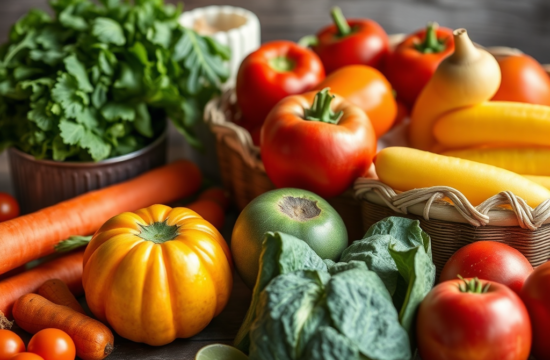
In 2025, emphasizing whole, naturally gluten-free foods is a cornerstone of effective gluten free diet tips. Fruits, vegetables, lean meats, fish, eggs, nuts, seeds, and legumes are all naturally free of gluten and provide essential nutrients. This approach simplifies your diet and reduces reliance on processed gluten-free products, which can sometimes be high in sugar or unhealthy fats.
Eating a diet rich in whole foods not only reduces gluten exposure risks but also boosts your immune system and overall well-being. For instance, swapping bread with sweet potatoes or cauliflower rice can create delicious, gluten-free meals that nourish your body.
Research shows that diets centered on whole foods tend to lead to better long-term health outcomes, including weight management and lowered inflammation, which are vital in today’s health landscape.
Meal Ideas to Incorporate Whole Foods
Start your day with gluten-free oats topped with fresh berries and nuts. Incorporate salads with colorful vegetables and grilled chicken for lunch. For dinner, try baked fish with quinoa and steamed broccoli. These examples demonstrate how focusing on whole foods can make your gluten free diet tips practical and enjoyable.
Meal prep is also an excellent way to ensure you have access to these healthy options throughout the week. Preparing bulk portions of gluten-free grains and roasted vegetables allows for quick, nutritious meals without the temptation of processed snacks.
By prioritizing natural, whole foods, you support your body’s needs and set a strong foundation for a sustainable gluten free lifestyle.
3. Read Labels Carefully and Know Your Ingredients
The Art of Label Reading
In 2025, label reading remains one of the most critical gluten free diet tips. Manufacturers are required to list gluten-containing ingredients, but vigilance is essential because gluten can hide under various names like malt, dextrin, or modified food starch.
Investing in a good magnifying glass or using smartphone apps can help you double-check ingredients on-the-go. Many brands now offer dedicated gluten-free labels, which simplify the shopping process. However, always verify certifications and sourcing to avoid cross-contact contaminants.
Learning to read labels thoroughly empowers you to make safer choices and prevents accidental gluten exposure, a common concern among those navigating gluten-free living.
Choosing Trusted Brands and Certifications
Look for brands that have third-party gluten-free certifications, such as the GFCO or FDA-approved labels. These certifications provide extra assurance that products meet strict standards.
Additionally, keep an eye out for allergen statements and manufacturing facility information. Packaging transparency is vital in 2025, as stricter regulations encourage companies to improve label accuracy.
Building a routine of label scrutiny is an ongoing part of mastering effective gluten free diet tips that are both safe and sustainable.
4. Plan Your Meals and Snacks in Advance
Meal Planning Strategies
In 2025, meal planning is a game-changer for maintaining a healthy gluten free diet. Taking time each week to prepare menus and grocery lists prevents last-minute temptations and ensures variety.
Meal prepping large batches of gluten-free staples like rice, grilled chicken, and roasted vegetables makes quick, nutritious meals accessible even on busy days. This reduces reliance on processed gluten-free junk food, which can be tempting and expensive.
Apps and online resources tailored for gluten-free meal planning can streamline your prep work and help you discover new recipes to keep your diet exciting and balanced.
Smart Snack Choices
Snacks are an essential part of your daily nutrition; in 2025, having ready-to-eat, gluten-free snacks helps maintain energy and prevents cheat meals. Stock your pantry with nuts, seeds, fruit, yogurt, and gluten-free granola bars.
Homemade snacks like energy balls or veggie chips can be prepared in advance, saving time and money. Incorporating these into your routine aligns perfectly with the top gluten free diet tips for sustainable health.
Proper planning and smart choices ultimately make sticking to a gluten-free lifestyle easier and more enjoyable.
5. Incorporate Gluten-Free Grains and Pseudograins
Healthy Alternatives to Wheat
Using grains like quinoa, millet, buckwheat, and amaranth is a vital component of gluten free diet tips in 2025. These pseudograins are naturally gluten-free, rich in fiber and nutrients, and versatile for cooking.
For example, quinoa can serve as a base for salads, bowls, or breakfast porridges, providing a complete protein source. Buckwheat, despite its name, is gluten-free and excellent for making pancakes or noodles.
Exploring these alternatives helps diversify your diet and prevents boredom, making adherence to gluten-free living more sustainable and enjoyable.
Cooking Tips and Recipes
Experimenting with gluten-free grains can be simple with the right recipes. Toasted millet adds crunch to salads or yogurt parfaits. Amaranth can be cooked into a creamy porridge or used as a thickener in soups.
Many cooking blogs and resources now focus exclusively on gluten-free grains, offering step-by-step guides that simplify meal creation. Incorporating these grains into your diet aligns with the core gluten free diet tips for a healthy, balanced lifestyle.
In 2025, mastering the use of gluten-free grains can elevate your cooking and introduce new flavors and textures to your meals.
6. Avoid Cross-Contamination
Kitchen Safety Practices
Cross-contamination remains one of the biggest challenges in maintaining a gluten free diet, especially at home. Simple changes like using separate cutting boards, utensils, and toasters can minimize gluten transfer. In 2025, more home cooks are adopting dedicated gluten-free zones in their kitchens.
Cleaning surfaces thoroughly after preparing non-gluten foods is also vital. Consider replacing shared equipment with gluten-free alternatives or thoroughly washing items before use.
Educational resources and cooking classes focused on gluten-free safety can help you implement these practices effectively, reducing accidental gluten exposure.
Support Your Weight Loss Goals
Huge Discount on the Best Certified Organic Nutrient Dense Supplement!

Dining Out and Travel Tips
Eating out poses additional risks for cross-contact. Call restaurants ahead to ask about gluten-free options and kitchen protocols. In 2025, many establishments have improved their gluten-free offerings due to rising demand and transparency.
Traveling with a gluten-free diet requires planning: pack gluten-free snacks, research restaurant options, and bring your own utensils if possible. Apps that locate gluten-free-friendly places can be invaluable.
Adhering to strict cross-contact avoidance strategies is essential to stay healthy and confident on your gluten-free journey.
7. Balance Your Diet with Nutrients and Supplements
Essential Nutrients for Gluten-Free Living
In 2025, maintaining a balanced diet is a cornerstone of effective gluten free diet tips. Wheat products are common sources of fiber, B-vitamins, and iron, so finding these nutrients elsewhere is key. Incorporate leafy greens, nuts, seeds, and gluten-free whole grains.
If your diet lacks certain nutrients, supplements may be necessary. Consult with a healthcare professional for personalized advice, especially if you experience deficiencies or digestive issues.
Monitoring your nutrient levels through regular blood work allows you to tailor your diet and supplementation precisely, ensuring optimal health.
Practical Supplement Tips
Omega-3 fatty acids, vitamin D, and probiotics are often recommended for those on a gluten-free diet. They can support gut health, reduce inflammation, and enhance immunity. Choosing high-quality, contaminant-free supplements is crucial in 2025.
Remember that supplements should complement, not replace, a diverse and balanced diet. Focus on a variety of nutrient-dense foods first, then use supplements strategically to fill gaps.
Sticking to this approach aligns with the best gluten free diet tips for sustained health and vitality over time.
8. Stay Educated on Gluten-Free Trends and Research
Keeping Up with New Findings
In 2025, scientific research continues to advance our understanding of gluten’s impact. Staying informed about the latest studies can help you refine your gluten free diet tips and make evidence-based decisions.
Resources such as reputable health websites, scientific journals, and professional dietitian advice can keep you updated. Participating in webinars or online forums offers community support and current information.
This proactive approach ensures that your gluten-free lifestyle remains effective, safe, and aligned with the most recent health guidelines.
Adapting to Future Trends
The gluten-free industry evolves with new products, technologies, and dietary trends. For instance, in 2025, innovations like lab-grown grains or new processing methods may change how gluten-free foods are produced and consumed.
By staying open to these innovations, you can incorporate new, healthier options into your diet. Continuous learning helps you avoid fad diets and stick to strategies backed by science.
Keeping informed is one of the top gluten free diet tips for maintaining a successful, healthy lifestyle over time.
9. Connect with Supportive Communities and Resources
The Power of Community Support
Sharing experiences and tips with others living gluten-free can make your journey easier and more enjoyable. Online forums, local meetups, and social media groups are excellent ways to connect in 2025.
Experienced members often share valuable advice, product recommendations, and emotional support, helping you navigate challenges and celebrate successes.
Building a network ensures you stay motivated and informed, reinforcing the key gluten free diet tips for long-term success.
Utilizing Quality Resources
Books, blogs, and reputable websites dedicated to gluten-free living offer in-depth recipes, tips, and latest research. Some organizations also provide gluten-free certification standards and safety guidelines.
Investing time in finding trustworthy resources ensures youâre accessing accurate information, which is vital given the abundance of misinformation online.
This connected, resourceful approach strengthens your ability to maintain a healthy, enjoyable gluten-free lifestyle.
10. Regularly Monitor Your Health and Adjust Accordingly
Tracking Your Symptoms and Progress
In 2025, self-monitoring becomes even more accessible with health tracking apps and devices. Regularly logging your symptoms, energy levels, and digestion helps identify how your diet impacts your health.
If you experience ongoing issues, working with a healthcare provider can help tailor your diet and address any deficiencies or sensitivities. Blood tests and medical evaluations are part of an effective gluten free diet tips to ensure youâre on the right track.
Adjustments, such as adding new foods or supplements, are often necessary to optimize your health outcomes over time.
Staying Flexible and Proactive
The key to lifelong success with a gluten free diet in 2025 is flexibility. Be ready to adapt your eating habits based on new research, personal experiences, and health feedback.
Continuously educating yourself and maintaining open communication with health professionals keeps your diet effective and safe.
In closing, regularly monitoring your health and adjusting your diet accordingly is crucial to sustaining the benefits of your gluten free lifestyle. Keep these gluten free diet tips in mind as part of your ongoing health journey.
Frequently Asked Questions
1. What are the top gluten free diet tips for beginners in 2025?
Start by understanding gluten and its hidden sources, focus on whole, naturally gluten-free foods, read labels carefully, and plan your meals in advance. These foundational tips help set you up for success.
2. How can I avoid cross-contamination in a busy kitchen?
Use separate utensils and cutting boards for gluten-free food, clean surfaces thoroughly, and consider dedicated gluten-free zones. Being vigilant at all stages reduces accidental gluten exposure.
3. Are gluten-free grains healthy options?
Yes, grains like quinoa, millet, buckwheat, and amaranth are nutritious, naturally gluten-free, and versatile. Incorporating them into your diet enhances variety and health.
4. Why is reading labels important in a gluten free diet tips plan?
Label reading ensures you avoid hidden gluten, especially with complex ingredients and cross-contact risks. Itâs a key safety measure to prevent inadvertent gluten exposure.
5. How often should I check in with healthcare providers about my gluten-free diet?
Regular check-ups, at least annually, are recommended to monitor your health, address deficiencies, and adapt your diet as needed. Stay proactive for optimal results.
Conclusion
Adopting a gluten free diet in 2025 requires knowledge, planning, and vigilance. By following these 10 best gluten free diet tips, you can enhance your health, enjoy a diverse and satisfying diet, and avoid common pitfalls. Remember, mastering these tips not only helps you adhere to a safe gluten-free lifestyle but also promotes your overall well-being. Stay informed, be prepared, and listen to your body as you continue your healthy living journey.
Huge Discount on the Best Certified Organic Nutrient Dense Supplement!
Related Content
- The Importance of Micronutrients in a Balanced Diet
- Why Some Diets Fail Despite Strict Calorie Tracking: Common Pitfalls and Psychological Factors
- 10 Effective dieting tips for beginners to All in all succeed in 2025
- 10 Effective Long Term Weight Loss Strategies for 2025 Success
- The Ultimate Guide to Healthy Carb Cycling Strategies for 2025