- Choosing the Right Fasting Method
- Maintaining Proper Nutrition During Eating Windows
- Staying Hydrated
- Managing Hunger and Cravings
- Listening to Your Body
- Incorporating Exercise Safely
- Tracking Progress and Making Adjustments
- The Psychological Aspects of Fasting
- Understanding the Health Benefits in 2025
- Consulting Health Professionals for Fasting
1. Choosing the Right Fasting Method
Understanding Popular Fasting Protocols
With so many fasting options available in 2025, selecting the right one for your lifestyle is essential. Common protocols include intermittent fasting (such as 16/8 or 5:2), alternate-day fasting, and extended fasts. Each has unique benefits and challenges. For example, the 16/8 method involves fasting for 16 hours and eating during an 8-hour window, making it easy to incorporate into daily routines.
My personal experience shows that starting with a flexible approach like 16/8 is often sustainable for beginners. It allows you to ease into fasting without feeling deprived. Research indicates that intermittent fasting can lead to significant weight loss and metabolic health improvements when done responsibly.
It’s vital to choose a fasting method that aligns with your daily schedule, health status, and personal preferences. Consulting a healthcare professional can guide you toward the safest and most effective approach in 2025.
Assessing Your Lifestyle and Goals
Before committing to a particular fasting method, evaluate your daily routine. Do you have a physically active job? Are you managing a health condition? Your goalsâwhether weight loss, improved metabolic health, or longevityâalso influence your choice. For instance, someone aiming for rapid weight loss might prefer more intensive fasting, but it’s crucial to do so under medical supervision.
Setting realistic expectations helps you stay consistent. Remember that fasting for health and weight loss is a journey, and choosing a method that fits your lifestyle increases the likelihood of success in 2025.
2. Maintaining Proper Nutrition During Eating Windows
Focus on Balanced, Nutrient-Dense Foods
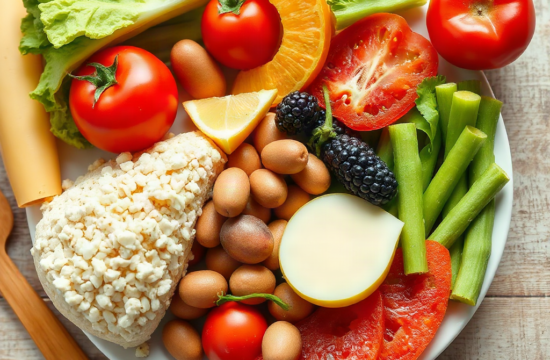
During your eating windows, prioritize whole, nutrient-dense foods like vegetables, lean proteins, healthy fats, and complex carbs. Proper nutrition ensures your body gets the essential vitamins and minerals needed to support fasting and overall health. For example, incorporating foods rich in fiber can aid digestion and promote satiety.
In 2025, many people are combining fasting with personalized nutrition plans. I recommend meal prepping with a balance of macronutrients to avoid overeating or relying on processed foods. This approach enhances both weight loss and long-term health benefits.
Stay mindful of portion sizes and avoid sugary snacks or refined carbs that can spike insulin and lead to cravings. Consistent, nutritious eating sets the foundation for successful fasting routines.
Supplementing for Optimal Health
Itâs common to miss out on certain nutrients when fasting, especially if the window is narrow. Consider adding supplements like omega-3s, multivitamins, or electrolytes to maintain balance. Proper supplementation can alleviate common fasting side effects such as fatigue or headaches.
Always consult with a healthcare provider before starting supplements to avoid interactions or overdosing. Sustainability in fasting for health and weight loss depends heavily on how well your body is nourished during eating periods.
3. Staying Hydrated
The Importance of Hydration
Many people overlook hydration during fasting, but water is crucial for maintaining energy levels and supporting bodily functions. In 2025, new hydration trackers make it easier to stay on top of your intake. Drinking enough fluids also helps curb hunger sensations.
In my experience, adding electrolyte drinks without sugar can prevent dehydration and improve workout performance during fasting. Proper hydration supports fasting for health and weight loss by boosting metabolism and reducing headaches.
Aim for at least 8-10 glasses of water daily, and adjust intake based on activity levels and climate. Remember, thirst is a key indicatorâdon’t wait until you’re very thirsty to hydrate.
Incorporating Teas and Broths
Besides water, herbal teas and broths are excellent options for hydration and can provide essential nutrients. A warm cup of green tea or bone broth can soothe hunger and provide antioxidants. Some broths contain minerals that help balance electrolytes during longer fasts.
In 2025, there’s a trend towards these gentle beverages as part of a fasting routine, supporting overall health. Just ensure they are free of added sugars or artificial ingredients.
4. Managing Hunger and Cravings
Smart Strategies to Reduce Hunger
Feeling hungry during fasting is common but manageable. Drinking plenty of water and herbal teas can suppress appetite temporarily. Plus, incorporating high-fiber foods during eating periods contributes to longer-lasting fullness.
In my experience, mindful eating techniques, such as eating slowly and savoring your meals, help you feel more satisfied. In 2025, apps that track your hunger levels and dietary habits are helping many fine-tune their fasting experience.
Additionally, engaging in low-intensity activities like walking can distract from cravings without depleting your energy reserves.
Dealing with Emotional Triggers
Sometimes, cravings are driven by emotions rather than hunger. Recognizing these triggers is key. Strategies like meditation or journaling can help manage emotional eating patterns. Building habits around stress management supports more effective fasting for health and weight loss.
In the long run, developing a healthier relationship with food enhances fasting’s benefits and aids in weight management beyond 2025.
5. Listening to Your Body
Signs of When to Break a Fast
While fasting offers many benefits, itâs essential to pay attention to your body’s signals. If you experience dizziness, severe weakness, or other adverse symptoms, it’s wise to break your fast and seek medical advice. No one-size-fits-all approach exists; personalization is key in 2025.
My recommendation is to start with shorter fasts and gradually extend them, always monitoring how your body responds. Trusting your instincts leads to safer and more sustainable fasting routines.
Fasting for health and weight loss should feel empowering, not debilitating. Balance and respect for your body’s cues are vital in mastering any fasting protocol.
Using Journals or Apps for Feedback
Keeping track of how you feel during fasting helps identify patterns and optimize your approach. Many apps now provide detailed insights into your mood, energy, and hunger levels for 2025 users.
This feedback loop enables you to adjust fasting lengths or dietary choices, enhancing overall success. Remember, listening to your body’s signals is the most effective way to sustain your health goals.
6. Incorporating Exercise Safely
Balancing Fasting and Physical Activity
Exercise complements fasting efforts, but timing is crucial. Light to moderate activities like walking or yoga are generally safe during fasting, especially for beginners. High-intensity workouts may require adjustment or schedule changes to prevent fatigue.
In 2025, smart fitness trackers help monitor your heart rate and recovery, guiding safe exercise practices during fasting periods. For instance, doing strength training during eating windows can maximize energy and promote muscle health.
My tip is to listen to your body, especially when fasting for health and weight lossâif you feel dizzy or overly exhausted, modify your workout or rest.
Pre- and Post-Fasting Workout Tips
When scheduled properly, workouts before or after fasting can optimize results. Eating a balanced meal post-exercise helps replenish glycogen stores and supports muscle recovery.
Support Your Weight Loss Goals
Huge Discount on the Best Certified Organic Nutrient Dense Supplement!

Be cautious about exercising during the late stages of a fast, especially for extended periods. Always hydrate and restore electrolyte balance afterward.
Proper integration of exercise with fasting not only enhances weight loss but also boosts longevity and metabolic health in 2025.
7. Tracking Progress and Making Adjustments
Using Technology to Monitor Results
Tracking your progress is essential for maintaining motivation and fine-tuning your routines. Apps that monitor weight, body measurements, sleep, and activity levels have become increasingly sophisticated in 2025.
Data-driven decisions can help you extend or shorten fasting periods, refine your diet, or adjust exercise routines. For example, if weight loss plateaus, small modifications based on tracking feedback can restart progress.
My advice is to set clear, achievable goals and use technology to stay accountable. Remember, consistency beats perfection in the long run.
Adjusting Fasting Based on Results
Flexibility is key. If you notice adverse effects or limited progress, don’t hesitate to adjust your fasting schedule or dietary approach. Sometimes, a different protocol or supporting lifestyle changes like sleep and stress management are necessary.
In 2025, personalized health plans are increasingly accessible, helping you develop a sustainable fasting routine aligned with your unique physiology and goals.
8. The Psychological Aspects of Fasting
Building Mental Resilience
Fasting for health and weight loss isnât just physical; itâs mental too. Developing resilience helps you overcome cravings and persist during challenging moments. Techniques like mindfulness and positive reinforcement are powerful tools.
Sharing your goals with friends or joining online communities provides support and accountability, reducing feelings of isolation. In 2025, online fasting groups have grown, offering shared motivation and advice.
My own journey shows that celebrating small successes builds confidence and mental strength, making fasting more sustainable and enjoyable.
Overcoming Psychological Barriers
Many struggle with emotional eating or deep-seated food habits. Recognizing these barriers and addressing them with therapy or coaching can lead to lasting change. Fasting for health and weight loss becomes more effective when complemented by mental health strategies.
Developing a balanced mindset around food and self-care forms the cornerstone of long-term success in 2025.
9. Understanding the Health Benefits in 2025
Latest Research and Discoveries
In 2025, scientific studies continue to support the benefits of fasting for health and weight loss. Research shows improvements in insulin sensitivity, reduced inflammation, and even increased lifespan markers. The emphasis is on safe, evidence-based protocols.
For example, a 2024 study found that intermittent fasting can reduce the risk of chronic diseases, including cardiovascular conditions and certain cancers.
Educating yourself about these benefits helps motivate lifestyle changes and enhances commitment to effective fasting routines.
Personalizing Your Fasting Plan Based on Science
Recent advances allow customization based on genetics, age, and health conditions, making fasting safer and more effective. Working with professionals ensures your approach aligns with the latest health insights.
Understanding individual responses empowers you to maintain fasting routines for optimal health and weight management in 2025.
10. Consulting Health Professionals for Fasting
Getting Expert Guidance
Consulting healthcare providers before starting fasting routines ensures safety, especially for those with underlying health issues. In 2025, telemedicine and specialized clinics make expert advice more accessible than ever.
Professional guidance helps tailor fasting protocols, monitor progress, and prevent complications. This personalized approach reduces risks and enhances results.
From dietitians to medical doctors, leveraging professional support in your fasting journey is a smart move for sustainable health and weight loss goals in 2025.
Monitoring and Adjusting Under Supervision
Regular check-ins with health professionals can help track your progress and make necessary adjustments. Blood tests, body composition analysis, and health assessments guide safe fasting practices.
This ongoing collaboration ensures that your fasting for health and weight loss remains effective and safe in the long term.
Conclusion
Embarking on a fasting routine in 2025 can significantly enhance your health and support your weight loss goals. The key lies in understanding the best practices, listening to your body, and seeking professional guidance when needed. Remember, fasting for health and weight loss is a personalized journey â what works for one person might not suit another. Stay informed, adapt your approach, and prioritize your well-being. With these 10 effective tips, you’re well on your way to making fasting a sustainable and beneficial part of your life in 2025.
Frequently Asked Questions
- What is the most effective fasting for health and weight loss in 2025?
- How do I stay safe while fasting for health and weight loss?
- Can fasting help improve long-term health in 2025?
- What are tips for managing hunger during fasting?
- Why is listening to your body important in fasting for health and weight loss?
The most effective fasting method varies by individual, but intermittent fasting like 16/8 remains popular due to its ease and proven benefits. Always tailor it to your personal health condition.
Consult with healthcare professionals, stay well-hydrated, and listen to your body. Avoid extended fasts without medical supervision, especially if you have underlying health issues.
Yes, recent research indicates that fasting can improve insulin sensitivity, reduce inflammation, and support longevity when practiced responsibly.
Drink plenty of water, consume fiber-rich foods during eating windows, and stay busy with low-impact activities to distract from hunger.
Paying attention to your body’s signals helps prevent adverse effects and ensures your fasting routine is safe, sustainable, and personalized for your needs in 2025.
Huge Discount on the Best Certified Organic Nutrient Dense Supplement!
Related Content
- The Sustainable Diet: Lose Weight Without Losing Your Sanity
- Why Weight Loss Requires More Than Just Dieting: Understanding the Role of Lifestyle Changes and Mental Health
- How to Prevent Emotional Eating Triggers: Recognizing Causes and Implementing Strategies
- Why Dieting Is Not Always the Answer to Weight Loss: Understanding Psychological Barriers and Sustainable Approaches
- 10 Effective Hydration and Weight Loss Strategies to Boost Results in 2025