- 1. Incorporate Anti-Inflammatory Foods
- 2. Embrace Plenty of Fruits and Vegetables
- 3. Choose Healthy Fats Wisely
- 4. Limit Processed and Sugary Foods
- 5. Use Herbs and Spices with Anti-Inflammatory Properties
- 6. Maintain Hydration with Herbal Teas and Water
- 7. Opt for Whole Grains Over Refined Carbohydrates
- 8. Incorporate Omega-3 Rich Foods
- 9. Minimize Red Meat and Focus on Plant-Based Proteins
- 10. Practice Mindful Eating and Portion Control
1. Incorporate Anti-Inflammatory Foods
Focus on Nutrient-Dense Choices
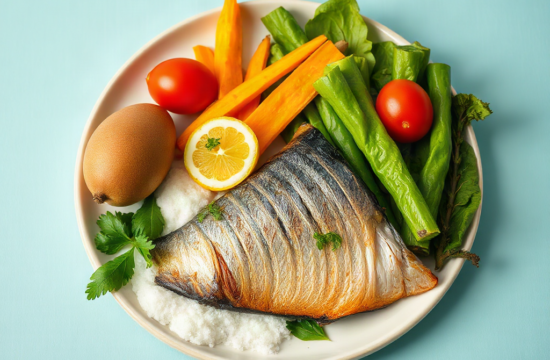
Starting your journey with an anti inflammatory diet involves selecting foods that have natural anti-inflammatory properties. Brightly colored fruits, leafy greens, nuts, and fatty fish are excellent options. These foods contain phytochemicals, antioxidants, and healthy fats that combat inflammation at the cellular level. In 2025, ongoing research emphasizes the benefits of these foods in reducing chronic inflammation and preventing disease.
For instance, berries such as blueberries, strawberries, and blackberries are rich in anthocyaninsâpotent antioxidants that help suppress inflammatory markers. Incorporating these into your daily meals can significantly impact your overall health. Experiment with adding berries into smoothies or oatmeal for a tasty and effective way to boost your intake.
Your plate should prioritize whole, unprocessed foods. Avoiding artificial additives and preservatives minimizes inflammation triggers. Integrate a variety of colorful vegetables, legumes, and nuts to ensure diverse anti-inflammatory compounds are part of your diet.
Practical Tips for Meal Planning
Planning your meals ahead ensures you consistently include anti-inflammatory foods. Keep a shopping list that highlights items like turmeric, garlic, spinach, and walnuts. Cooking at home more often also allows control over ingredients, reducing hidden inflammatory agents like trans fats and refined sugars.
Substituting processed snacks with nuts or fresh fruit keeps inflammation at bay. Note that small, consistent dietary changes lead to better long-term outcomes in managing chronic inflammation.
2. Embrace Plenty of Fruits and Vegetables
Benefits of High Fruit and Vegetable Intake
In 2025, data continues to show that diets rich in fruits and vegetables correlate strongly with lower levels of inflammation. This is because they provide a wealth of antioxidants, fiber, and phytochemicals that support immune function and reduce inflammatory responses. Strive for at least five servings daily, focusing on variety and color diversity.
For example, consuming cruciferous vegetables like broccoli and Brussels sprouts, along with berries and citrus fruits, can help buffer inflammation. These plant-based foods contain compounds that inhibit enzymes linked to inflammatory pathways.
Furthermore, dietary fiber from fruits and vegetables promotes gut health, which is crucial in managing systemic inflammation. A healthy gut microbiome reduces endotoxin release, a significant contributor to chronic inflammation.
Incorporating Fruits and Vegetables into Daily Meals
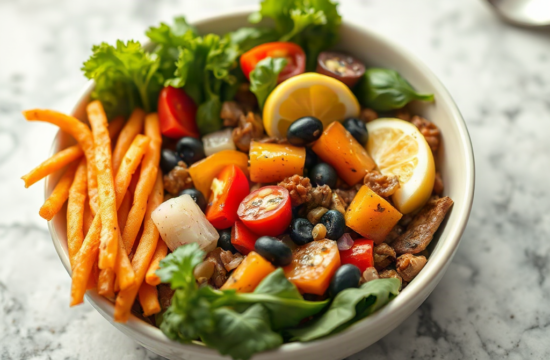
Simple strategies include adding sliced vegetables to sandwiches, blending fruits into smoothies, or roasting a medley of seasonal vegetables. Make salads appealing with a variety of greens, nuts, and seeds. The key is consistencyâregular intake ensures ongoing anti-inflammatory benefits.
3. Choose Healthy Fats Wisely
The Role of Healthy Fats in Reducing Inflammation
Replacing saturated fats with healthy fats is a cornerstone of an anti inflammatory diet. In 2025, more studies highlight how omega-3 fatty acids, found in fatty fish like salmon, mackerel, and sardines, dramatically lower inflammatory cytokines. Incorporate these into your weekly routine for maximum benefits.
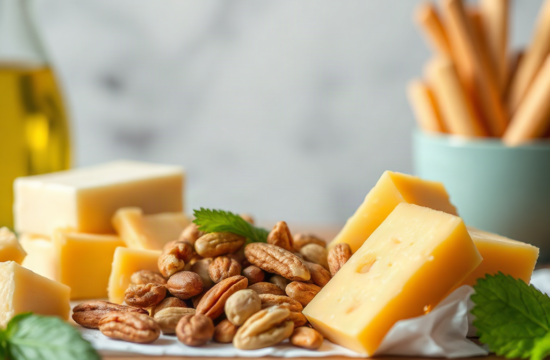
Meanwhile, monounsaturated fats from sources like olive oil, avocados, and nuts also support anti-inflammatory pathways. These fats help reduce the production of pro-inflammatory molecules and promote cardiovascular health.
Itâs essential to avoid trans fats and limit oils high in omega-6 fatty acids, which can promote inflammation when consumed excessively. Reading food labels and cooking with healthier oils are effective ways to manage your fat intake.
4. Limit Processed and Sugary Foods
Why Reducing Sugar and Processed Food Matters
Processed foods high in refined sugars and trans fats are primary contributors to chronic inflammation. For 2025, dietary guidelines increasingly emphasize reducing intake of soda, baked goods, and fast food. These items spike blood sugar levels, triggering inflammatory responses.
For example, studies show that excess sugar consumption elevates cytokines and promotes insulin resistance, both linked to inflammation. Cutting back on added sugars can lead to measurable improvements in inflammation markers within weeks.
Practical tips include reading labels carefully, choosing natural sweeteners like honey or fruit, and preparing meals at home with whole ingredients. These small changes can have a significant impact on inflammation reduction over time.
5. Use Herbs and Spices with Anti-Inflammatory Properties
Herbs and Spices to Incorporate Daily
Turmeric, ginger, cinnamon, and garlic are potent anti-inflammatory agents that should be staples in your diet. Scientific research in 2025 continues to validate their ability to modulate inflammatory pathways.
Turmeric contains curcumin, a compound shown to inhibit inflammatory enzymes. Combining turmeric with black pepper enhances absorptionâa simple trick to maximize benefits. Add it to soups, rice dishes, or smoothies.
Similarly, ginger has been linked to decreased levels of inflammatory cytokines and can be enjoyed as tea or added fresh to dishes. Incorporate these herbs and spices regularly to boost your anti inflammatory diet tips and overall health.
6. Maintain Hydration with Herbal Teas and Water
The Importance of Hydration
Proper hydration supports detoxification and reduces inflammation. In 2025, herbal teas like chamomile, green tea, and ginger tea are popular choices for their additional anti inflammatory benefits.
Green tea is rich in catechins, powerful antioxidants that combat inflammation. Drinking a few cups daily can support immune health and reduce chronic inflammation markers.
Support Your Weight Loss Goals
Huge Discount on the Best Certified Organic Nutrient Dense Supplement!

Staying well-hydrated also aids in maintaining a healthy weight, another key factor in inflammation control. Aim for at least 8 cups of water daily, supplementing with herbal teas to diversify your intake.
7. Opt for Whole Grains Over Refined Carbohydrates
The Anti-Inflammatory Benefits of Whole Grains
Replacing white bread, white rice, and refined pasta with whole grains like oats, quinoa, and brown rice is an effective anti inflammatory diet tip for 2025. Whole grains contain more fiber and nutrients, which help regulate blood sugar and reduce inflammation.
Research indicates that individuals consuming whole grains have lower levels of C-reactive protein (CRP), an inflammatory marker associated with cardiovascular disease. Including these grains in your diet is a simple but powerful step toward inflammation reduction.
Consider making small swaps, such as choosing oatmeal for breakfast or serving quinoa instead of refined rice, to incorporate more whole grains effortlessly into your daily routine.
8. Incorporate Omega-3 Rich Foods
Why Omega-3s Are Key
Omega-3 fatty acids are among the most researched anti-inflammatory nutrients today. In 2025, supplementing your diet with omega-3s continues to be recognized as an effective anti inflammatory diet tip.
Besides fatty fish, sources include flaxseeds, chia seeds, walnuts, and algae-based supplements. These plant-based options are especially valuable for vegetarians and vegans seeking anti-inflammatory benefits.
Regularly consuming omega-3 rich foods can help lower levels of inflammatory cytokines and improve overall immune function, which is critical for managing chronic inflammation.
9. Minimize Red Meat and Focus on Plant-Based Proteins
The Impact of Protein Choices on Inflammation
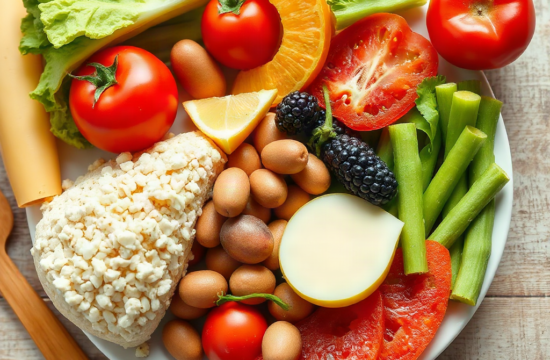
Excess red meat consumption has been linked to increased inflammation and higher risks of inflammatory diseases. In 2025, shifting toward plant-based proteins like beans, lentils, and tofu is a key anti inflammatory diet tip.
Plant-based proteins contain antioxidants and fiber that help reduce inflammatory responses. Incorporating these in your meals not only supports inflammation reduction but also promotes sustainable eating habits.
Experiment with hearty lentil soups or veggie stir-fries to replace red meat dishes, making your diet more aligned with anti-inflammatory principles.
10. Practice Mindful Eating and Portion Control
Mindfulness as Part of an Anti-Inflammatory Lifestyle
Beyond food choices, how you eat profoundly influences inflammation. Practicing mindful eating involves paying attention to hunger cues, eating slowly, and savoring each bite. This approach helps prevent overeating, which can lead to increased inflammation.
In 2025, combining mindful eating with portion control supports weight management and reduces inflammatory responses associated with excess caloric intake.
Simple tips include avoiding distractions during meals, using smaller plates, and listening to your body’s signals. These practices create healthier eating habits that complement your anti inflammatory diet tips.
Conclusion
Adopting an anti inflammatory diet in 2025 is about more than just choosing the right foods; itâs about creating a sustainable lifestyle. The 10 effective anti inflammatory diet tips outlined here provide a comprehensive approach to naturally reduce inflammation. From incorporating nutrient-rich foods and healthy fats to practicing mindful eating, each step supports your journey toward better health. Remember, consistency is keyâimplementing these strategies gradually will help you enjoy lasting benefits. For optimal results, keep learning and adapting these anti inflammatory diet tips to suit your unique needs. Your body will thank you!
Frequently Asked Questions
1. What is an anti inflammatory diet?
An anti inflammatory diet focuses on foods that reduce inflammation in the body, such as fruits, vegetables, healthy fats, and whole grains, while limiting processed foods and sugars.
2. How long does it take to see results from an anti inflammatory diet?
Many people notice improvements in inflammation levels and energy within a few weeks, but significant benefits often occur after sustained dietary changes over several months.
3. Are supplements necessary for an anti inflammatory diet?
Supplements like omega-3s can be beneficial, but it’s best to prioritize food sources. Always consult with a healthcare provider before starting new supplements.
4. Can I still enjoy my favorite foods on an anti inflammatory diet?
Yes! The goal is moderation and choosing healthier alternatives, not strict elimination. You can enjoy treats occasionally by making smarter choices.
5. Why are anti inflammatory diet tips important for 2025?
As research advances, understanding and implementing effective anti inflammatory diet tips become crucial for preventing chronic diseases and promoting overall health in 2025 and beyond.
Huge Discount on the Best Certified Organic Nutrient Dense Supplement!
Related Content
- Diet Myths Debunked: What You Need To Know Before Starting a New Regime
- How to Manage Expectations During Weight Loss: Realistic Goals and Common Pitfalls
- Why Dieting Without a Plan Fails: Common Mistakes and Essential Strategies for Success
- The Best Diet for Your Body Type: Discover What Works for You
- All Your Weight Loss Questions Answered Here