- 1. Prioritize Whole, Unprocessed Foods
- 2. Incorporate More Plant-Based Meals
- 3. Practice Mindful Eating Habits
- 4. Focus on Portion Control and Balanced Plates
- 5. Limit Added Sugars and Refined Carbohydrates
- 6. Stay Hydrated with Water and Herbal Teas
- 7. Include Healthy Fats in Your Diet
- 8. Prepare Meals at Home More Often
- 9. Read Food Labels Carefully
- 10. Set Realistic, Achievable Goals
1. Prioritize Whole, Unprocessed Foods
Why Whole Foods Are Essential for Weight Loss
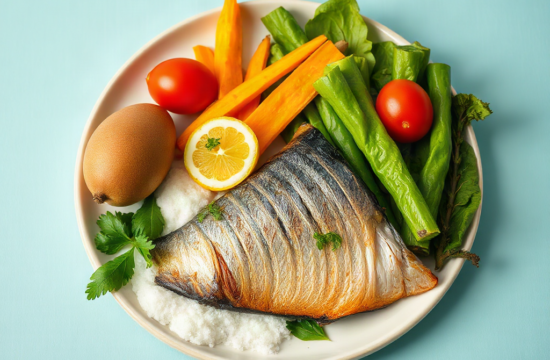
When it comes to effective weight management, clean eating for weight loss starts with choosing whole, unprocessed foods. These foods are naturally rich in nutrients, fiber, and healthy fats, which help keep you full longer and reduce cravings. Unlike processed snacks or fast foods, whole foods like fresh vegetables, fruits, lean meats, and whole grains provide fewer empty calories.
Studies in 2025 reveal that diets rich in whole foods are associated with better weight loss outcomes and improved metabolic health. For example, a recent survey indicated that individuals who consumed more unprocessed foods lost twice as much weight as those relying heavily on processed options over six months.
Start small by replacing packaged snacks with fresh fruits or nuts, and gradually build your pantry around whole foods. This shift not only boosts your weight loss efforts but also enhances overall wellness.
Practical Tips for Incorporating Whole Foods
To make this strategy actionable, plan your meals around whole ingredients. This means shopping the perimeter of the grocery store where fresh produce and unprocessed products are located. Avoid aisles filled with processed foods and preservatives.
Batch cooking and meal prepping can help you stick to whole foods during busy weeks. Prepare big batches of quinoa, roasted vegetables, or grilled chicken that can be mixed into various meals. This makes healthy, clean eating for weight loss easier and more convenient daily.
Tip: Invest in quality kitchen tools like a good blender or food processor to prepare smoothies or homemade sauces from scratch, avoiding store-bought processed versions.
2. Incorporate More Plant-Based Meals
The Benefits of Plant-Based Eating for Weight Loss
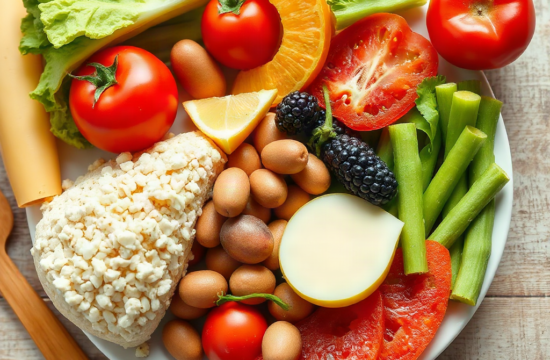
Transitioning to more plant-based meals is a powerful strategy in the realm of clean eating for weight loss. Plant-based diets tend to be lower in calories and higher in dietary fiber, which helps control hunger and promotes satiety. Incorporating legumes, leafy greens, and whole grains can significantly impact your weight loss journey in 2025.
Research indicates that diets emphasizing plant-based foods correlate with reduced body weight and better metabolic markers. For example, a 2024 study showed that participants following vegetarian or vegan diets lost more weight and had improved insulin sensitivity compared to omnivorous diets.
Implement a “meatless Monday” routine or add plant-based proteins like chickpeas, lentils, or tofu to your meals. These simple swaps can make your culinary habits healthier and support your weight loss efforts sustainably.
Tips for Transitioning to More Plant-Based Meals
Start by replacing red meats with plant-based options in your favorite recipes. Experiment with flavorful herbs and spices to make dishes exciting and satisfying. Cooking at home allows you to control ingredients and reduce unwanted additives.
Gradually increase plant-based meals in your weekly menu, aiming for at least 50% of your plates filled with vegetables, grains, and legumes. This approach aligns perfectly with the best practices in clean eating for weight loss in 2025.
3. Practice Mindful Eating Habits
Understanding Mindful Eating for Weight Loss Success
In 2025, more people are discovering that diet quality alone isn’t enoughâmindful eating also plays a crucial role in clean eating for weight loss. Being present during meals, paying attention to hunger cues, and savoring each bite can prevent overeating and emotional eating.
Research shows that mindful eating can lead to better portion control, fewer calories consumed, and increased satisfaction from meals. These habits are especially effective when combined with a diet based on whole, nutrient-dense foods.
Start by setting aside distraction-free time for meals, turning off screens, and focusing on flavor, texture, and aroma. Itâs a simple yet powerful tool to enhance your weight management journey in 2025.
Practical Tips to Cultivate Mindful Eating
Use smaller plates to naturally limit portions and take smaller bites, which allows your brain to register fullness better. Chewing slowly gives your body time to recognize satiety signals.
Keep a food journal to track your eating patterns and emotional triggers. This awareness helps you develop healthier responses and stay aligned with your weight loss goals.
4. Focus on Portion Control and Balanced Plates
The Art of Portioned Eating for Sustainable Weight Loss
Effective clean eating for weight loss isn’t just about what you eat but also how much. Portion control is vital in preventing overeating, even when you’re eating healthy foods. Using visual cues and measuring tools can simplify this process, especially in 2025 when convenience is key.
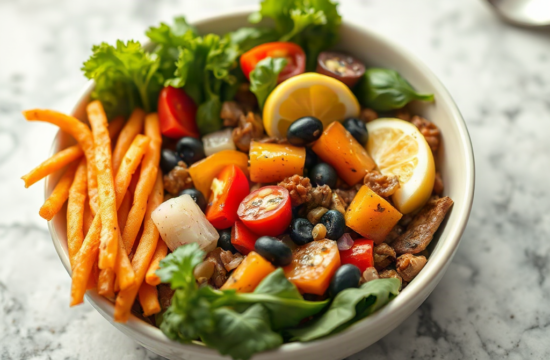
Designing balanced plates with appropriate portions of vegetables, lean proteins, and healthy fats ensures you get essential nutrients without excess calories. The “plate method,” where half your plate is vegetables, a quarter lean protein, and a quarter whole grains, remains a timeless strategy.
Tracking portions with apps or measuring cups can help develop awareness, making it easier to maintain a calorie deficit without feeling deprived.
Tips for Portion Control Success
Begin by learning standard serving sizes and gradually adjust your meals accordingly. Incorporate mindful eating habits outlined earlier to better recognize satiety.
If eating out, share dishes or order smaller sizes to avoid oversized portions. This strategy supports your clean eating for weight loss efforts and enhances long-term health.
5. Limit Added Sugars and Refined Carbohydrates
How Cutting Sugar Boosts Your Weight Loss in 2025
One of the biggest hurdles in clean eating for weight loss is managing sugar intake. High levels of added sugars and refined carbs lead to blood sugar spikes, increased hunger, and fat storage. Reducing these can dramatically improve your health and weight management results.
In 2025, the trend continues toward natural sweeteners like honey or maple syrup, and whole-food carbohydrate sources like oats or sweet potatoes. These options provide energy without the blood sugar rollercoaster.
Start reading labels carefully to identify hidden sugars in condiments, sauces, and packaged foods. Replacing processed snacks with fruit or nuts can satisfy sweet cravings healthily.
Strategies to Reduce Sugar Intake
Gauge your current sugar habits by keeping a diary for a few days. Set realistic reduction goals, like cutting sugar in your coffee or soda intake.
Enjoy naturally sweet foods in their whole form to curb cravings and support your weight loss in 2025. Embrace this as part of your overall clean eating for weight loss plan.
6. Stay Hydrated with Water and Herbal Teas
The Role of Fluid Intake in Supporting Weight Loss
Proper hydration is often overlooked but is crucial in a successful clean eating for weight loss regimen. Drinking enough water helps control appetite, boosts metabolism, and supports digestion.
In 2025, herbal teas and infused waters are popular alternatives to sugary drinks, offering flavor without added calories. Staying well-hydrated also assists in detoxification and energy levels, making your healthy lifestyle sustainable.
Aim for at least 8 cups of water daily, and listen to your bodyâs thirst cues. Adding lemon, cucumber, or mint can make hydration enjoyable and aid in clean eating habits.
Support Your Weight Loss Goals
Huge Discount on the Best Certified Organic Nutrient Dense Supplement!

Tips for Staying Hydrated
Carry a reusable water bottle throughout the day as a reminder. Set hourly goals or use app alerts to boost your water intake.
Limit consumption of sweetened beverages like soda and energy drinksâthey undermine your weight loss efforts and compromise your clean eating goals.
7. Include Healthy Fats in Your Diet
Why Fats Are Not the Enemy in 2025
Contrary to outdated beliefs, healthy fats are vital in a balanced, clean eating for weight loss plan. They promote satiety, support brain health, and improve nutrient absorption.
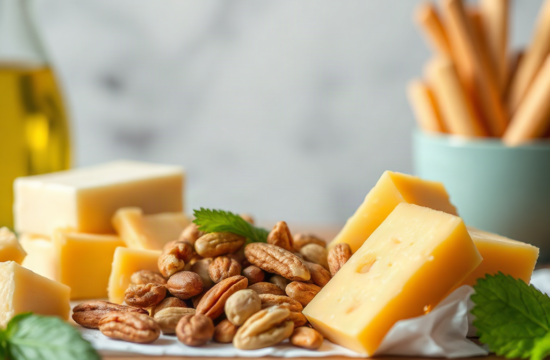
Sources like avocados, nuts, seeds, and oily fish provide omega-3 and monounsaturated fats that are excellent for long-term health and weight management. Incorporating these into your diet can help you stay full longer and reduce the temptation for unhealthy snacks.
Recent research supports the inclusion of healthy fats, showing they can assist in reducing visceral fat and improving metabolic rates.
Practical Tips to Add Healthy Fats
Add a handful of nuts or seeds to salads, yogurt, or oatmeal. Use olive oil or avocado oil for cooking and dressings.
Include fatty fish like salmon or mackerel at least twice a week for optimal omega-3 intake.
Remember, itâs about moderationâportion control ensures healthy fats support your goals without excess calorie intake.
8. Prepare Meals at Home More Often
The Power of Home Cooking for Clean Eating for Weight Loss
Cooking at home remains one of the most effective strategies to control ingredients and ensure adherence to clean eating for weight loss in 2025. It reduces reliance on processed foods, allows customization, and minimizes hidden additives and sugars.
By preparing meals at home, you can focus on whole, nutrient-dense ingredients that support your health goals. This habit also promotes mindful eating and better portion control.
Even busy schedules can accommodate meal prepâlarge batches of soups, salads, or roasted vegetables can be stored for quick, nutritious meals throughout the week.
Tips for Successful Home Meal Prep
Plan your weekly menu and shopping list to avoid impulse purchases of processed foods. Use versatile ingredients that can be combined in diverse ways.
Invest in good storage containers and vacuum sealers to keep prepared foods fresh longer. This supports sustainable, clean eating for weight loss in 2025.
9. Read Food Labels Carefully
Deciphering Nutrition Labels for Better Choices
In 2025, being label-savvy is essential for effective clean eating for weight loss. Reading labels allows you to identify added sugars, unhealthy fats, preservatives, and artificial additives that can sabotage your health goals.
Look for products with minimal ingredients, recognizable whole-food components, and low sugar content. This practice supports your efforts to choose nutrient-dense, clean options that promote weight loss.
Make it a habit to compare brands and select the options that align with your clean eating principles. Over time, this mindful shopping transforms your diet into a healthier, more sustainable lifestyle.
Tips for Reading Food Labels Effectively
Focus on serving sizes and check the total grams of sugar, fat, and sodium per serving. Prioritize items with high fiber and protein content.
Avoid products with long ingredient lists filled with unfamiliar chemicals and preservatives.
10. Set Realistic, Achievable Goals
Creating a Sustainable Weight Loss Plan
The foundation of lasting clean eating for weight loss in 2025 is setting realistic goals that you can maintain long-term. Rapid weight loss methods often lead to yo-yo dieting, but gradual progress fosters healthier habits and better results.
Begin with small, specific objectives, such as adding one serving of vegetables daily or replacing sugary drinks with herbal teas. Celebrate milestones to stay motivated.
Tracking your progress helps you stay accountable and adjust your strategies as needed. Remember, consistency and patience are key to sustainable weight loss and a healthier lifestyle.
Tips for Goal-Setting and Staying Motivated
Use apps or journals to monitor habits, meals, and progress. Find a support group or accountability partner for encouragement.
Mistakes are part of the journeyâuse setbacks as learning opportunities and keep your focus on the long-term benefits of clean eating for weight loss.
Conclusion
In 2025, the most effective approach to weight loss combines smart, sustainable habits with a focus on clean eating for weight loss. Whether it’s prioritizing whole foods, incorporating plant-based meals, or practicing mindful eating, these strategies support not just weight management but overall health and vitality. Remember, the journey is personal, and small consistent steps lead to lasting change. Embrace these 10 strategies, and youâll be well on your way to achieving your health goals this year and beyond.
Frequently Asked Questions
1. What is the best way to start clean eating for weight loss in 2025?
Begin by simplifying your meals with whole, unprocessed foods. Gradually replace processed snacks with fruits, vegetables, and lean proteins, and set realistic goals to build habits over time.
2. How important is hydration in the clean eating for weight loss plan?
Hydration is vital for metabolism, appetite control, and overall health. Drinking enough water and herbal teas supports your weight loss efforts by reducing unnecessary calorie intake and promoting detoxification.
3. Can I eat out while following clean eating for weight loss?
Yes, but opt for restaurants that offer fresh, whole-food options. Choose grilled instead of fried, ask for dressings on the side, and control portion sizes by sharing or choosing smaller meals.
4. How do I stay motivated and consistent with my clean eating goals?
Set achievable goals, track your progress, and celebrate small victories. Find support from friends or online communities, and remind yourself of your reasons for adopting these healthier habits.
5. Are healthy fats important in a clean eating for weight loss diet?
Absolutely. Healthy fats from sources like nuts, seeds, and oily fish are essential for satiety, nutrient absorption, and overall well-being, supporting your weight loss in a balanced manner.
Huge Discount on the Best Certified Organic Nutrient Dense Supplement!
Related Content
- Why Your Diet May Be Failing Without You Realizing It: Common Mistakes and Underlying Causes
- The Benefits of a Natural Diet for Bone Health
- Mistakes Beginners Make When Starting a Weight Loss Plan: Common Missteps and How to Avoid Them
- Excellent Strategies For Anyone Looking To Lose Weight
- The Benefits of a Natural Diet for Liver Health