Table of Contents
- 1. Focus on Whole, Unprocessed Foods
- 2. Incorporate High-Fiber Foods
- 3. Choose Low-Glycemic Fruits & Vegetables
- 4. Opt for Healthy Fats
- 5. Limit Refined Carbohydrates & Sugars
- 6. Monitor Portion Sizes
- 7. Stay Hydrated with Water
- 8. Plan and Prepare Meals Ahead
- 9. Read Food Labels Carefully
- 10. Seek Support and Professional Guidance
1. Focus on Whole, Unprocessed Foods
Prioritize Natural, Minimally Processed Options
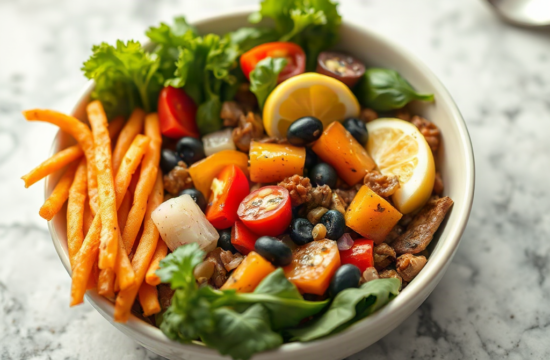
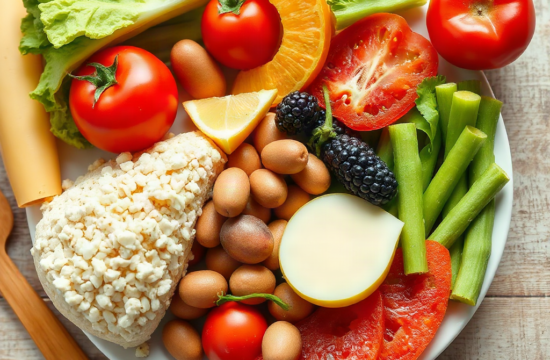
One of the foundational low glycemic diet tips is to emphasize whole, unprocessed foods in your daily meals. These foods, such as fresh vegetables, fruits, nuts, seeds, and whole grains, tend to have a lower impact on blood sugar levels. When you avoid processed snacks and refined foods, you help stabilize your blood glucose and avoid energy crashes.
For example, instead of reaching for a packaged snack bar, try a handful of almonds or fresh berries. These natural options are not only lower on the glycemic index but also provide essential nutrients that support overall health.
Eating whole foods also supports a sustainable, healthy lifestyle. It reduces your intake of added sugars and preservatives, which can spike blood sugar levels, making it easier to maintain balanced energy throughout the day.
Practical Tips for Incorporating Whole Foods
- Start your day with oatmeal topped with nuts and berries.
- Add vegetables to every mealâthink salads, stir-fries, and roasted plates.
- Choose whole-grain options like brown rice and quinoa over processed grains.
2. Incorporate High-Fiber Foods
The Role of Fiber in Blood Sugar Control
Fiber is a key ingredient in managing blood sugar levels, especially on a low glycemic diet. Soluble fiber, found in oats, beans, and apples, forms a gel-like substance in the digestive system that slows carbohydrate absorption. This process helps prevent spikes in blood glucose after meals.
Research in 2025 shows that individuals consuming at least 25-30 grams of fiber daily tend to maintain better blood sugar stability and experience fewer cravings. Incorporating high-fiber foods into your diet is a simple yet powerful low glycemic diet tip that can have profound health benefits over time.
Moreover, fiber supports digestive health, aids in weight management, and helps you feel full longer, reducing the likelihood of overeating.
Easy Ways to Boost Dietary Fiber
- Add chia seeds, flaxseeds, or oats into smoothies and yogurt.
- Include beans, lentils, or chickpeas in salads and soups.
- Choose whole-grain bread and cereals over refined options.
3. Choose Low-Glycemic Fruits & Vegetables
Understanding the Glycemic Index of Produce
Not all fruits and vegetables are created equal when it comes to glycemic impact. In 2025, the emphasis is on selecting options with a low glycemic index (GI). Berries, cherries, apples, and pears are excellent low-GI fruits, offering fiber and antioxidants without causing rapid blood sugar increases.
Vegetables like leafy greens, broccoli, cauliflower, and zucchini have minimal impact on blood glucose, making them ideal staples for any low glycemic diet. Root vegetables such as carrots and sweet potatoes are moderate, so portion control is key.
Choosing low GI produce helps maintain steady energy levels and supports long-term health goals.
Smart Shopping Tips for Produce
- Opt for fresh or frozen fruits and vegetables without added sugars.
- Mix low-GI fruits into your meals and snacksâthink berries on oatmeal or apples slices with nut butter.
- Avoid canned or processed options with added sugars or syrups.
4. Opt for Healthy Fats
Fat Types That Support Low Glycemic Living
Healthy fats play a crucial role in a low glycemic diet, helping to slow carbohydrate absorption and stabilize blood sugar. In 2025, focus on monounsaturated and polyunsaturated fats like avocados, olive oil, nuts, and seeds.
These fats not only improve heart health but also contribute to increased satiety, reducing hunger and overeating. Replacing saturated and trans fats with healthier options is a fundamental low glycemic diet tip that aligns with current nutritional guidelines.
Incorporate these fats into your meals by drizzling olive oil over salads, snacking on a handful of mixed nuts, or topping dishes with sliced avocados.
Practical Tips for Using Healthy Fats
- Cook vegetables in olive oil or avocado oil for added flavor and health benefits.
- Add nuts and seeds to salads, yogurt, or oatmeal.
- Use mashed avocado as a spread instead of butter or margarine.
5. Limit Refined Carbohydrates & Sugars
Why Cutting Refined Sugars Matters
One of the most effective low glycemic diet tips is to drastically reduce refined carbs such as white bread, pastries, and sugary drinks. These foods are quickly digested, causing sharp spikes in blood sugar levels.
In 2025, research emphasizes that minimizing added sugars can lead to improved insulin sensitivity and reduced risk of type 2 diabetes. Replace sugary drinks with water, herbal teas, or sparkling water with a splash of citrus.
Using natural sweeteners like stevia or monk fruit in moderation can satisfy sweet cravings without impacting blood glucose levels.
Strategies for Reducing Refined Carbohydrates
- Read labels and avoid products with added sugars or corn syrup.
- Choose whole grains over refined grains â for example, brown rice instead of white rice.
- Opt for desserts made with natural sweeteners or fruits rather than processed sweets.
6. Monitor Portion Sizes
Controlling Carbohydrate Intake per Meal
Portion control is a crucial low glycemic diet tip. Even when eating low GI foods, overconsumption can still lead to elevated blood sugar levels. In 2025, the focus is on mindful eating and accurate portion sizes especially for carbohydrates.
Using smaller plates, measuring portions, and being aware of serving sizes can help you avoid unintentional overeating. For example, a typical serving of cooked grains is about half a cup, roughly equivalent to a small scoop of rice or pasta.
Tracking your mealsâeither via a journal or an appâcan assist in maintaining consistent carbohydrate intake aligned with your health goals.
Support Your Weight Loss Goals
Huge Discount on the Best Certified Organic Nutrient Dense Supplement!

Practical Portion Tips
- Divide your plate into sections: half vegetables, one-quarter lean proteins, one-quarter healthy carbs.
- Learn standard serving sizes for carbs, fats, and proteins.
- Be especially cautious with processed snack portions and desserts.
7. Stay Hydrated with Water
The Hydration-Health Connection
Proper hydration plays an important role in blood sugar regulation. Drinking water instead of sugary beverages prevents unnecessary sugar spikes. In 2025, the recommendation remains to aim for at least 8-10 glasses of water daily.
Water assists in digestion, nutrient absorption, and waste elimination. Dehydration can sometimes be mistaken for hunger, leading to overeating â which can disrupt blood sugar balance.
Infuse your water with slices of lemon, cucumber, or mint for added flavor without sugar-bearing additives.
Practical Hydration Tips
- Carry a reusable water bottle throughout the day to promote regular intake.
- Create a daily water intake goal based on your activity level and climate.
- Avoid high-calorie drinks like sodas and flavored coffees with added sugars.
8. Plan and Prepare Meals Ahead
Meal Planning for a Low Glycemic Lifestyle
Prepping meals in advance is a game-changer when it comes to maintaining a low glycemic diet. Meal planning helps you avoid impulsive choices, resist temptation, and stay aligned with your health goals in 2025.
Batch cooking staples like grains, roasted vegetables, and lean proteins allows quick assembly of balanced meals during busy days. It also minimizes reliance on processed or quick-fix foods that might be high in refined carbs or sugars.
Additionally, preparing healthy snacks in advanceâsuch as chopped veggies, nuts, or boiled eggsâensures you always have low glycemic options ready to go.
Tools and Tips for Successful Meal Prep
- Create weekly meal plans with low glycemic focus.
- Invest in quality containers for portioned storage.
- Stay organized by shopping with a list based on your meal plan.
9. Read Food Labels Carefully
Deciphering Carbohydrate and Sugar Content
Reading food labels is a vital low glycemic diet tip that helps you make smarter choices. Pay attention to serving sizes, total carbohydrate content, and added sugars. Even foods marketed as healthy can contain hidden sugars or refined carbs.
In 2025, labeling regulations emphasize clearer disclosures, so take time to familiarize yourself with terms like “added sugars,” “high fructose corn syrup,” and “dextrose.”
Picking products with higher fiber content and minimal added sugars supports your goal of maintaining stable blood glucose levels.
Tips for Effective Label Reading
- Compare similar products to choose the lowest glycemic options.
- Look for whole food ingredients and fewer additives.
- Be cautious with “sugar-free” labelsâthey may contain artificial sweeteners.
10. Seek Support and Professional Guidance
Working with Experts for Sustainable Change
In summary, one of the most effective low glycemic diet tips for 2025 is to seek support from healthcare professionals or registered dietitians. They can help tailor a plan specific to your needs, ensuring balanced nutrition and sustainable habits.
Joining support groups or online communities can also provide motivation, accountability, and shared experiences that make the journey easier and more enjoyable.
Regular check-ins and blood glucose monitoring can help you see tangible progress and make necessary adjustments along the way.
Resources for Professional Support
- Consult your healthcare provider for personalized advice.
- Use reputable online tools and apps to track your progress.
- Attend workshops or programs focused on low glycemic eating habits.
Conclusion
Adopting a low glycemic diet in 2025 can profoundly improve your health and energy levels. Implementing these low glycemic diet tipsâfrom choosing whole, unprocessed foods to seeking professional guidanceâsets you up for success. Remember, consistency and awareness are key in managing blood sugar and achieving long-term wellness. Start today, and watch as your health transforms throughout 2025 and beyond!
Frequently Asked Questions
1. What exactly is a low glycemic diet?
A low glycemic diet focuses on foods that have a low impact on blood sugar levels, typically with a GI of 55 or less. It emphasizes whole, unprocessed foods, healthy fats, high fiber, and controlled portion sizes.
2. How can I start implementing low glycemic diet tips?
Begin by incorporating more vegetables, choosing whole grains, limiting sugar, and planning meals ahead. Small, consistent steps make adjustment easier and sustainable.
3. Are there any risks associated with a low glycemic diet?
When well-balanced, a low glycemic diet is safe and healthy for most people. However, itâs best to consult with a healthcare professional if you have specific health conditions or nutritional concerns.
4. How does the low glycemic diet help in 2025?
In 2025, this diet remains vital for managing diabetes, reducing the risk of metabolic syndrome, and promoting overall longevity through blood sugar regulation and improved metabolic health.
Huge Discount on the Best Certified Organic Nutrient Dense Supplement!