- 1. Understand the Science Behind Cravings
- 2. Keep Healthy, Satisfying Snacks on Hand
- 3. Stay Hydrated to Reduce Hunger Cues
- 4. Manage Stress Effectively
- 5. Get Adequate Sleep for Better Control
- 6. Identify and Avoid Triggers
- 7. Incorporate Variety into Your Diet
- 8. Practice Mindful Eating
- 9. Use Distraction Techniques
- 10. Set Realistic, Achievable Goals
1. Understand the Science Behind Cravings
The Neurobiology of Cravings
In 2025, understanding the science behind cravings is more important than ever for overcoming diet cravings. Scientific research shows that cravings are driven by complex interactions between our brain’s reward system, hormones, and environmental cues. When we indulge in comfort foods high in sugar or fat, our brain releases dopamine, creating a pleasurable sensation that reinforces the desire to repeat the behavior.
Knowing this, we can see why resisting cravings can be challenging, as these neural pathways are deeply ingrained. A practical tip is to recognize the craving as a temporary signal rather than an obligation. Acknowledge it without immediately giving in, which over time can weaken these neural associations.
Research from 2025 indicates that mindfulness-based approaches can alter brain activity related to cravings, making it easier to overcome them. This understanding can empower you with strategies that focus on rewiring your brain’s response to these cues, such as meditation and cognitive reframing.
Hormonal Influences on Cravings
Hormones like ghrelin, leptin, and insulin play significant roles in regulating hunger and satiety, impacting cravings throughout the day. For instance, imbalances in these hormones can increase the likelihood of craving unhealthy foods. During stressful times or sleep deprivation, hormone levels may spike, intensifying the desire for high-calorie foods.
Understanding hormonal influences allows you to address the root causes of cravings. Strategies such as balanced meals, adequate sleep, and stress management help maintain hormonal balance, reducing the intensity of cravings.
In 2025, personalized approaches based on hormonal profiling are becoming more common, helping individuals tailor their diet and lifestyle to better manage overcoming diet cravings.
2. Keep Healthy, Satisfying Snacks on Hand
Planning for Craving Moments
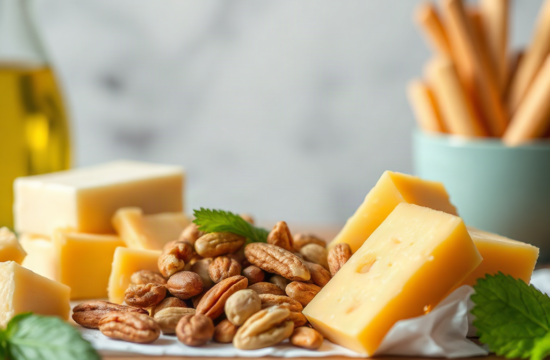
One of the most practical ways to overcome diet cravings is to have healthy snacks readily available. When cravings hit unexpectedly, reaching for a nutritious alternative can prevent derailment. Snacks like nuts, Greek yogurt, fresh fruit, or veggie sticks offer satisfying options that align with your diet goals.
According to recent surveys in 2025, people who plan their snacks are significantly better at sticking to their dietary plans. Preparation is keyâkeep portions pre-packed and accessible in your pantry or office drawer.
This habit not only curtails impulsive eating but also ensures you get essential nutrients, reducing the likelihood of emotional or habitual cravings turning into overeating episodes.
Choosing the Right Satisfying Snacks
Select snacks that are high in fiber, protein, or healthy fatsâthey promote fullness and stabilize blood sugar levels. For example, a handful of almonds or an apple with peanut butter can satisfy your sweet tooth without causing a sugar spike.
Experiment with different options to find what satisfies you most. The goal is to give your body what it needs to prevent false hunger signals from turning into cravings.
Regularly keeping these snacks on hand can make overcoming diet cravings more manageable and sustainable long-term.
3. Stay Hydrated to Reduce Hunger Cues
Water and Its Role in Appetite Control
Dehydration is often mistaken for hunger, leading to unnecessary cravings. In 2025, staying well-hydrated remains a simple yet effective strategy for overcoming diet cravings. Drinking a glass of water when a craving emerges can often quell the desire temporarily.
Studies show that drinking water before meals can reduce overall calorie intake by up to 13%. This strategy can be particularly helpful during weight-loss journeys, where controlling cravings is crucial.
Make it a habit to carry a water bottle throughout the day and set reminders to drink regularly. Hydration supports digestion, boosts metabolism, and helps keep hunger in check.
Other Hydrating Beverages
While water is the best choice, herbal teas and infused waters add variety without extra calories. Avoid sugary drinks, which can amplify cravings and insulin spikes. Incorporating these hydration techniques into your daily routine in 2025 can significantly assist in overcoming diet cravings.
Additionally, drinking adequate fluids can improve mood and energy levels, reducing emotional eating triggers. Remember, a well-hydrated body is better equipped to manage cravings effectively.
4. Manage Stress Effectively
Stress and Its Impact on Cravings
Chronic stress triggers the release of cortisol, a hormone that can increase appetite and preference for high-sugar, high-fat foods. This link makes stress management essential for overcoming diet cravings in 2025. When weâre stressed, our instincts often push us toward comfort foods for temporary relief.
Practicing stress-reduction techniques such as deep breathing, meditation, or yoga can significantly lower cortisol levels. Personally, I find that setting aside 10 minutes daily for mindfulness helps curb emotional eating tendencies.
Research demonstrates that individuals who manage stress effectively are better at resisting cravings and sticking to their dietary goals over time. Cultivating regular stress-reduction habits creates a supportive environment for overcoming diet cravings naturally.
Incorporating Relaxation into Your Routine
Besides meditation, activities like walking outdoors, listening to calming music, or engaging in hobbies can reduce stress levels. Combining these with proper sleep and a balanced diet creates a powerful synergy against cravings.
By actively managing stress in 2025, you can improve your overall mental health and lessen the frequency and intensity of cravings, making your dietary commitments easier to sustain.
5. Get Adequate Sleep for Better Control
Sleep and Hormonal Balance
Lack of sleep disrupts hormones related to hunger and fullness, primarily increasing ghrelin and decreasing leptin levels. This imbalance makes you more susceptible to overcoming diet cravings, especially those driven by high sugar and carbohydrate foods.
Research from 2025 indicates that sleep deprivation can increase cravings by up to 40%, making it a major barrier for many trying to maintain healthy eating habits. Prioritizing 7-9 hours of quality sleep each night can help regulate these hormones effectively.
Developing a calming bedtime routine and limiting screen time before sleep are simple strategies to improve sleep quality and reduce cravings linked to fatigue.
Sleep Habits for Weight Management
Consistent sleep schedules, a dark and cool sleeping environment, and avoiding caffeine late in the day support optimal sleep. These habits contribute to better hormonal regulation, which is key for controlling cravings in 2025.
Remember, a well-rested body is more poised to resist cravings and make healthier choices throughout the day. This holistic approach enhances your ability to overcome diet cravings naturally.
6. Identify and Avoid Triggers
Personal Triggers for Cravings
Understanding what specific cues trigger your cravings is a vital step in overcoming diet cravings. Triggers can include emotional states, certain environments, or specific times of day. For example, stress after work or boredom on weekends often lead to indulgent eating.
Support Your Weight Loss Goals
Huge Discount on the Best Certified Organic Nutrient Dense Supplement!

Keeping a craving journal can help pinpoint patterns. Once identified, you can develop strategies to cope, like engaging in alternative activities or removing trigger foods from your home.
Overcoming diet cravings involves proactive planning and self-awareness. By recognizing your individual triggers, you empower yourself to navigate away from temptations effectively.
Environmental and Situational Strategies
Adjust your environment to minimize exposure to tempting foods. This could mean cleaning out your pantry or avoiding restaurants that serve unhealthy options during vulnerable times. Substituting routine snack spots with healthy alternatives also reduces temptation.
In 2025, technological tools such as craving-tracking apps or smart home devices can provide real-time alerts or help you avoid cues altogether, enhancing your ability to overcome diet cravings.
Taking control of your environment is a powerful way to support your dietary goals and resist impulse eating based on situational triggers.
7. Incorporate Variety into Your Diet
Preventing Boredom and Cravings
Research indicates that monotony in dieting can lead to increased cravings for forbidden foods. Incorporating a variety of healthy options ensures your palate remains satisfied, reducing the likelihood of impulsive eating.
Try rotating different vegetables, proteins, and spices weekly. For example, swapping broccoli for Brussels sprouts or salmon for chicken can keep meals exciting and nourishing.
This approach helps you stay committed long-term by preventing diet fatigue, which is a common trigger for overcoming diet cravings.
Creative Meal Planning
Meal prepping with diversity in mind makes it easier to stick to your dietary plan. Use colorful ingredients to enhance visual appeal and flavor, which can dramatically decrease urges to indulge in unhealthy snacks.
Involving family or friends in planning can also introduce new recipes and ideas, maintaining motivation and enthusiasm. Remember, a diet rich in variety is not only enjoyable but also supports better metabolic health in 2025.
By making your meals appealing and diverse, overcoming diet cravings becomes less of a challenge.
8. Practice Mindful Eating
Paying Attention to Hunger and Fullness
Mindful eating encourages you to truly focus on your foodâits taste, texture, and aromaâhelping you recognize when you’re hungry versus emotionally driven cravings. This awareness can significantly improve your ability to overcome diet cravings.
Eating slowly and savoring each bite allows your brain to register fullness, preventing overeating. Noticing these cues early helps you make conscious choices rather than reactive ones.
In 2025, digital mindfulness tools and prompts are more accessible, guiding you through these practices seamlessly.
Being Present During Meals
Avoid distractions like TV or smartphones during meals to enhance mindfulness. This simple shift helps you stay connected to your body’s signals and reduces impulsive snacking after meals.
Practicing gratitude for your food and engaging all senses can deepen your connection to the eating experience, making it more satisfying and decreasing the desire for unhealthy cravings later.
By embedding mindful eating habits into your routine, you can effectively diminish your reliance on overcoming diet cravings by addressing emotional and habitual patterns.
9. Use Distraction Techniques
Engaging in Alternative Activities
When a craving strikes, occupying your mind with a different activity can be highly effective. Activities like walking, calling a friend, or engaging in a hobby can shift your focus away from food temptation.
For example, during a recent period in 2025, many improved their success by practicing quick physical exercises or engaging in creative pursuits like drawing or journaling.
This process leverages the psychological principle that redirecting attention can weaken the craving’s intensity over time.
Using Cognitive Techniques
Positive self-talk and visualization are powerful tools. Remind yourself of your health goals or visualize your success. Techniques like the 5-minute ruleâwaiting five minutes before acting on a cravingâoften cause the urge to pass.
Overcoming diet cravings isn’t just about willpower; it’s about redefining your responses and habits. Active distraction helps reinforce your control and build resilience against temptations.
10. Set Realistic, Achievable Goals
Developing Sustainable Habits
In 2025, the trend is moving towards flexible dieting and setting attainable milestones. Unrealistic goals often lead to frustration and increased cravings, making long-term success harder.
Start with small changes, such as reducing sugar intake gradually or incorporating an extra vegetable daily. Celebrating these wins encourages continued progress and diminishes the power of overcoming diet cravings.
Having clear, realistic targets keeps you motivated and reduces the emotional rollercoaster often associated with dieting, fostering healthier habits over time.
Tracking Progress and Adjusting
Use apps or journals to monitor your progress and adjust goals as needed. This flexibility ensures you stay on track without feeling overwhelmed. Remember, setbacks are normal; focus on consistent effort instead of perfection.
Setting reachable goals enhances your confidence and resilience in overcoming diet cravings, making your dietary journey in 2025 more successful and fulfilling.
Conclusion
Overcoming diet cravings in 2025 requires a strategic, multi-faceted approach. By understanding the science behind cravings, planning ahead, managing stress, and adopting healthy habits, you can take control of your food choices. Remember, persistence and self-awareness are key to long-term success. With these ten powerful strategies, overcoming diet cravings becomes achievable, paving the way for a healthier, more balanced life in 2025. Stay motivated and committed, and watch how your relationship with food transforms!
Frequently Asked Questions
- What are the best ways to overcome diet cravings naturally?
- How does staying hydrated help in overcoming diet cravings?
- Can stress management really reduce cravings?
- How important is sleep for controlling diet cravings?
- Why is understanding the science behind cravings helpful?
Huge Discount on the Best Certified Organic Nutrient Dense Supplement!
Related Content
- Eating Healthy Meals Can Help You Lose Weight
- How to Assess Hunger Levels Accurately: Practical Steps and Common Mistakes
- How to Lose Weight Without Following Complicated Diet Plans: Simple Lifestyle Changes and Practical Methods
- Discover the Secret to Sustainable Weight Loss Using Natural Foods That Actually Work
- Get Slim And Keep The Weight Off With These Tips And Tricks