- 1. Prioritize Nutrient-Dense Foods
- 2. Manage Portion Sizes Effectively
- 3. Incorporate Intermittent Fasting
- 4. Improve Sleep Quality
- 5. Minimize Processed Food Intake
- 6. Stay Hydrated and Drink Smart Fluids
- 7. Reduce Stress Levels
- 8. Use Mindful Eating Practices
- 9. Leverage Natural Supplements
- 10. Monitor Progress and Adjust Strategies
1. Prioritize Nutrient-Dense Foods
Choosing Foods Rich in Nutrients
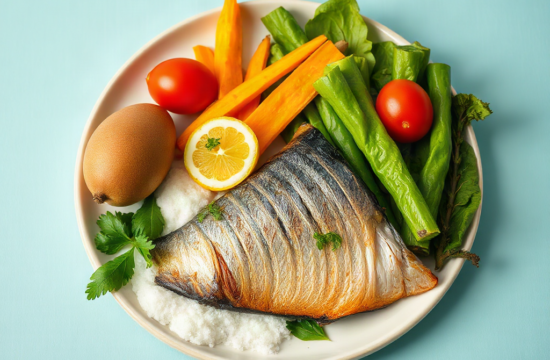
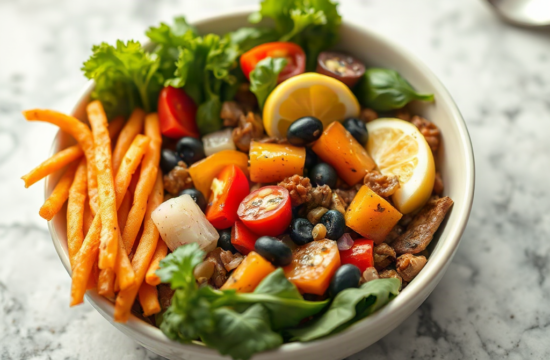
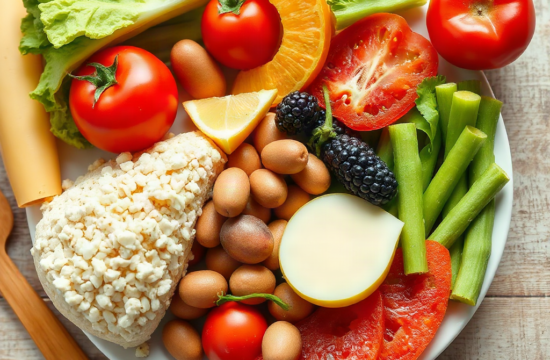
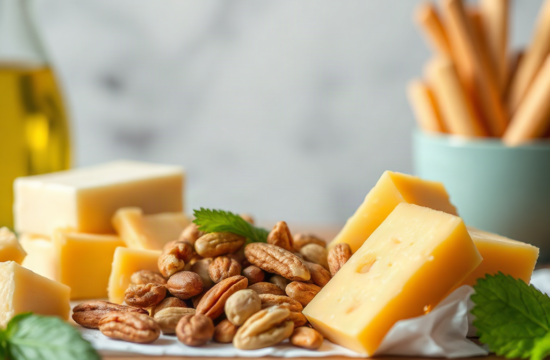
One of the most effective approaches for weight loss without exercise in 2025 is to prioritize nutrient-dense foods. These are foods that offer a high amount of vitamins, minerals, and fiber relative to their calorie content. Examples include leafy greens, berries, lean proteins, and whole grains. Incorporating these into your daily meals can help you feel full and satisfied while consuming fewer calories.
For instance, replacing processed snacks with fresh vegetables or nuts can significantly reduce calorie intake without sacrificing satiety. Many studies show that diets rich in nutrient-dense foods promote better metabolic health, leading to sustainable weight loss.
Real-world example: I swapped my usual snack of chips for a handful of almonds and some fresh strawberries. Not only did I feel more energized, but I also lost a few pounds over a couple of weeks without any added exercise.
Benefits of Eating Nutrient-Dense Foods
Eating nutrient-dense foods assists in boosting your metabolism naturally. These foods help maintain stable blood sugar levels, reducing cravings and overeating. Additionally, they support muscle maintenance and overall health, crucial for successful weight loss.
Furthermore, choosing such foods often means consuming less processed sugar and unhealthy fats, which are major contributors to weight gain and inflammation. In 2025, the focus is on whole, unprocessed foods as the backbone of effective weight management strategies.
Tip: Stock your pantry with whole grains, legumes, vegetables, and fruits to make healthy choices easier and more consistent.
2. Manage Portion Sizes Effectively
The Power of Portion Control
Controlling portion sizes is one of the simplest yet most effective methods for weight loss without exercise. Overeating, even healthy foods, can hinder your progress. By understanding appropriate serving sizes, you can create a calorie deficit without feeling deprived.
In 2025, many people are turning to practical tools like smaller plates, measuring cups, or digital food scales to keep portions in check. This makes it easier to avoid mindless overeating, especially during busy days when portioning can become overlooked.
Action tip: Start by reducing your usual portion sizes by 10-20%, and gradually adjust as your body adapts. This small change can lead to significant weight loss over time.
Visual Cues and Mindful Eating
Another effective strategy is to use visual cues for proper portions. For example, a serving of meat should be about the size of a deck of cards, and a bowl of pasta should be roughly the size of a baseball. Learning to listen to your body’s hunger cues is vital for sustainable weight loss without exercise.
Practicing mindful eatingâtaking your time, chewing slowly, and savoring each biteâfurther helps prevent overeating. It makes you more aware of when youâre full, reducing the likelihood of consuming excess calories.
In 2025, combining mindful eating with proper portion management is considered a cornerstone technique for anyone aiming to shed pounds without relying on physical activity.
3. Incorporate Intermittent Fasting
Understanding Intermittent Fasting
Intermittent fasting (IF) is gaining popularity as an effective method for weight loss without exercise. It involves cycling between periods of eating and fasting, typically over 16-24 hours. Many studies show that IF can improve insulin sensitivity, promote fat burning, and reduce overall calorie intake.
In 2025, advanced research suggests that intermittent fasting is not just about calorie restriction but also about harnessing the body’s natural fat-burning cycles. You donât need intense workouts to see resultsâsimply adjusting when you eat can make a significant difference.
Example: A common approach is the 16/8 method, where you fast for 16 hours and eat during an 8-hour window. This pattern is easy to adopt and fits well into most lifestyles.
Benefits and Practical Tips
Besides aiding weight loss, IF has been linked to improved metabolic health, reduced inflammation, and even longevity. Itâs important to focus on nutrient-rich meals during eating windows to maximize health benefits.
Start graduallyâperhaps by delaying breakfast or having an early dinnerâand listen to your body. Hydration during fasting periods is crucial; drinking water, herbal teas, or black coffee can help curb hunger.
Remember, consistent practice over months yields the best results, and itâs always wise to consult with a health professional before beginning new fasting routines.
4. Improve Sleep Quality
The Sleep-Weight Loss Connection
Quality sleep is often overlooked, yet it plays a fundamental role in effective weight loss without exercise. Inadequate sleep disrupts hormones like ghrelin and leptin, increasing appetite and cravings. It also reduces your metabolic rate, making weight loss more challenging.
Research from 2025 indicates that adults who consistently get 7-8 hours of quality sleep tend to have healthier body weight. Poor sleep habits can sabotage your efforts, leading to increased caloric intake and decreased motivation to make healthy choices.
Practical tip: Establish a relaxing bedtime routine, avoid screens an hour before sleep, and maintain a consistent sleep schedule to optimize rest and weight management.
Sleep Tips for Better Results
Creating an ideal sleep environment involves a cool, dark, and quiet room. Avoid caffeine and heavy meals close to bedtime. Additionally, consider mindfulness meditation or gentle stretching to unwind.
In 2025, leveraging sleep technology like sleep trackers can help monitor and improve sleep patterns, directly supporting your weight loss journey without exercise.
Good sleep is a foundation for overall health and a key component of an effective weight loss plan.
5. Minimize Processed Food Intake
The Impact of Processed Foods
Processed foods are a major obstacle for many trying to achieve weight loss without exercise. They are often loaded with added sugars, unhealthy fats, and artificial ingredients that promote weight gain and inflammation.
In 2025, the trend is shifting toward whole, minimally processed foods. Cutting back on processed snacks, fast food, and packaged meals helps you gain better control over your calorie and nutrient intake, making weight loss more feasible.
Example: Replacing a store-bought muffin with homemade oatmeal topped with fresh fruits not only reduces sugar intake but also provides more fiber and nutrients, aiding digestion and satiety.
Smart Substitutions and Strategies
Begin by reading labels carefully, looking for products with fewer ingredients and no added sugars. Focus on prepping meals yourself so you can control what goes into your food.
In 2025, more people are embracing meal prep and batch cooking to avoid the temptation of processed convenience foods. These habits are pivotal in maintaining a calorie deficit without extreme dieting or exercise.
Small changes in your grocery choices can compound over time, substantially improving results in your weight loss journey.
6. Stay Hydrated and Drink Smart Fluids
The Importance of Hydration
Drinking adequate water is essential for weight loss without exercise. Sometimes, our bodies mistake thirst for hunger, leading to overeating. Proper hydration helps regulate appetite, improves digestion, and supports overall metabolic processes.
In 2025, personalized hydration plans include tracking water intake with apps and smart bottles, making it easier to stay on top of hydration goals.
Support Your Weight Loss Goals
Huge Discount on the Best Certified Organic Nutrient Dense Supplement!

Tip: Aim for at least 8 cups of water daily, and incorporate herbal teas or infused water for variety and added health benefits.
Smart Beverage Choices
While water is the best choice, incorporating low-calorie drinks like flavored sparkling water or green tea can support weight loss efforts. Avoid sugary drinks, which pack empty calories and spike insulin levels.
Research suggests that green tea contains antioxidants called catechins that may slightly boost metabolism, aiding in fat loss. Small dietary adjustments like these complement your strategies for weight loss without exercise.
Ensure your hydration habits empower your overall health and weight management goals.
7. Reduce Stress Levels
Stress and Weight Gain
Chronic stress is a significant barrier for weight loss without exercise. Elevated stress triggers cortisol production, which can promote fat accumulation, particularly around the abdomen. Stress also leads to emotional eating, sabotaging calorie control efforts.
In 2025, stress management techniques such as mindfulness, breathing exercises, and meditation are widely recognized as essential components of weight management plans.
Example: Incorporating a 10-minute daily meditation helped me reduce late-night snacking and improved my overall sense of well-being, facilitating weight loss efforts.
Effective Stress Reduction Techniques
Prioritize activities that relax and rejuvenate youâwhether itâs reading, listening to music, or practicing yoga. Regular relaxation reduces cortisol levels, which indirectly supports weight loss without exercise.
Connecting with friends or participating in hobbies also enhances mental health. When you feel calmer, making healthier choices becomes more natural and sustainable.
In 2025, integrating mental health care into your weight loss strategy is more critical than ever.
8. Use Mindful Eating Practices
The Power of Mindfulness in Eating
Mindful eating is a proven strategy for weight loss without exercise. It involves paying full attention to the eating experience, including taste, texture, and hunger cues, which helps prevent overeating.
Research from 2025 shows that people who practice mindful eating tend to consume fewer calories and report greater satisfaction from smaller portions. It also reduces emotional eating triggered by stress or boredom.
Practical tip: Sit down without distractions like phones or TV, chew slowly, and truly savor each bite. This enhances digestion and helps you recognize when you’re full.
Implementing Mindful Practices Daily
Start by eating one meal per day mindfully. Focus on appreciating the flavors and textures of your food. Over time, this habit can become second nature and contribute significantly to your weight loss efforts.
Using mindful eating alongside other strategies like portion control creates a powerful combination. In 2025, this approach is highly recommended for sustainable and enjoyable weight loss without exercise.
9. Leverage Natural Supplements
Supplements Supporting Weight Loss without Exercise
Natural supplements can aid your weight loss without exercise journey. Examples include green tea extract, conjugated linoleic acid (CLA), and Garcinia Cambogia. These supplements may help improve metabolism or curb appetite naturally.
Always consult healthcare providers before adding supplements, as quality and dosage matter significantly. The integrative approach is about supporting your dietary habits, not replacing healthy behaviors.
According to 2025 research, these supplements can provide modest benefits when combined with proper nutrition and lifestyle adjustments.
Choosing Safe and Effective Supplements
Opt for reputable brands and check for third-party testing. Supplements should complement your overall plan, not be relied upon solely. Regular monitoring and root-cause focus make your efforts more effective and safe.
Remember, supplements are just one component of your holistic strategy for weight loss without exercise.
10. Monitor Progress and Adjust Strategies
Tracking to Stay on Course
Regularly tracking your weight, body measurements, and food intake helps you identify whatâs working and whatâs not. In 2025, digital apps and smart scales make tracking easier than ever, giving you detailed insights into your progress.
This data-driven approach ensures you stay motivated and can tweak your strategies for better results. It also minimizes plateaus and keeps your weight loss journey dynamic and responsive.
Tip: Set specific, achievable goals and celebrate milestones to keep your momentum going.
Adapting Your Strategies
If you notice stagnation, consider adjusting your calorie intake, eating patterns, or stress management techniques. Staying flexible is this year’s key to sustainable success. Remember, weight loss without exercise involves consistently refining your approach based on your body’s responses.
In 2025, mindfulness and data insights are central to personalizing your plan, making your efforts more effective and less frustrating.
Frequently Asked Questions
Q1. What is the most effective way for weight loss without exercise in 2025?
The most effective methods include prioritizing nutrient-dense foods, managing portions, incorporating intermittent fasting, and maintaining good sleep. Combining these strategies creates a sustainable plan for weight loss without needing physical activity.
Q2. Can I lose weight without changing my activity level?
Yes, by focusing on diet, sleep, stress reduction, and mindful eating, you can effectively lose weight without increasing physical activity. However, adding even light movement can enhance results.
Q3. How long does it typically take to see results from weight loss without exercise?
Results vary depending on individual factors, but most people notice changes within 4-6 weeks by maintaining a consistent plan. Patience and adherence are key.
Q4. Are supplements effective for weight loss without exercise?
Natural supplements may support weight loss efforts, but they should complement a balanced diet and lifestyle. Always consult healthcare professionals before use.
Q5. Is it safe to try intermittent fasting for weight loss in 2025?
Intermittent fasting is generally safe for healthy individuals, but itâs important to consult with a healthcare provider, especially if you have underlying health conditions. Proper hydration and nutrient intake are essential.
Conclusion
In 2025, achieving weight loss without exercise is entirely possible by adopting strategic lifestyle habits. From focusing on nutrient-dense foods and managing portion sizes to practicing mindful eating and improving sleep, each step plays a vital role. Remember, consistency and patience are key to long-term success. Stay motivated, monitor your progress, and adjust your strategies as needed. Empower yourself with these powerful techniques and make 2025 your year for effective, sustainable weight loss â all without the need for intense workouts!
Huge Discount on the Best Certified Organic Nutrient Dense Supplement!
Related Content
- Proven Tips To Help You Lose Weight
- Advice For Losing Weight That Will In summary Work For You
- Transform Your Life: Master the Art of How to Lose Weight With Small Daily Diet Changes for Lasting Success
- How to Balance Exercise and Diet for Optimal Results
- Best lose belly fat diet guide: 7 Effective Strategies for 2025