- 1. Prioritize Whole Foods and Nutrient-Dense Meals
- 2. Master Budget-Friendly Healthy Eating
- 3. Plan and Prepare Meals in Advance
- 4. Stay Hydrated with Water and Healthy Drinks
- 5. Incorporate Regular Exercise into Your Routine
- 6. Practice Mindful Eating and Portion Control
- 7. Use Technology to Track Progress
- 8. Maximize Sleep and Stress Management
- 9. Seek Support and Build a Healthy Community
- 10. Stay Consistent and Adjust as Needed
1. Prioritize Whole Foods and Nutrient-Dense Meals
Focus on Whole, minimally processed foods
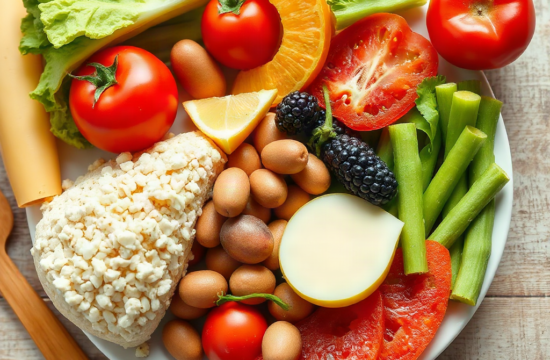
For college students trying to stay healthy in 2025, prioritizing whole foods is essential. Whole foods like fruits, vegetables, lean proteins, and whole grains provide vital nutrients that processed snacks often lack. Incorporating these into your daily meals helps sustain energy levels and supports overall health. For example, swapping out chips for sliced veggies or opting for brown rice instead of instant noodles can make a big difference.
Research indicates that diets rich in whole foods are associated with lower risks of chronic diseases such as diabetes and heart disease, which is crucial for students aiming to maintain their health long-term. College life can be hectic, but making small modificationsâlike packing an apple and nuts instead of vending machine snacksâcan help keep you on track and feeling good.
Start by planning meals around fresh ingredients. Visit local farmers markets for seasonal produce or buy in bulk to save money. Remember, small consistent choices lead to sustainable habits, especially in 2025, when digital tools make tracking nutrition easier than ever.
2. Master Budget-Friendly Healthy Eating
Creating affordable nutritious meal plans
Many college students think eating healthily is expensive, but with smarter shopping, you can enjoy nutritious meals without breaking the bank. Buying in bulk, choosing store brands, and looking for discounts can significantly reduce costs. For example, purchasing frozen vegetables and grains is often cheaper and just as nutritious as fresh ones.
Meal prepping on a budget is a smart way to stay consistent. Prepare large batches of healthy dishes on weekends and portion them out for busy weekdays. This prevents last-minute fast food runs and saves money. Apps and websites in 2025 offer meal planning tools tailored for student budgetsâyou can find recipes that fit your financial constraints while providing essential nutrients.
Furthermore, avoiding processed convenience foods allows you to cut costs and eat better. Remember, nutritious eating doesnât mean sacrificing flavor or varietyâresearch shows that a balanced diet is linked with improved academic performance and better energy throughout the day.
3. Plan and Prepare Meals in Advance
The importance of meal planning for college students
Meal planning is one of the most effective dieting tips for college students. When you plan ahead, you avoid impulsive eating of unhealthy snacks and fast food. Spend some time each week drafting a simple meal schedule that includes breakfast, lunch, dinner, and snacks. This way, you’ll know exactly what ingredients to buy and how to prepare meals efficiently.
Preparation also involves batch cooking and storing meals in containers, which saves time during busy weekdays. For example, cooking a batch of chicken, rice, and vegetables on Sunday allows for quick, healthy lunches all week. Plus, preparation minimizes the temptation to eat out when stressed or overwhelmed with assignments.
In 2025, apps and digital planners make meal prep even easier. Some platforms provide grocery lists, recipes, and remindersâall accessible from your phone. Developing the habit of planning and prepping can help you stay on a healthy diet consistently and improve your overall well-being during college years.
4. Stay Hydrated with Water and Healthy Drinks
Keep hydration a priority for energy and focus
Many students underestimate the importance of proper hydration, which is crucial for energy levels, concentration, and overall health. Drinking enough water helps prevent fatigue, supports digestion, and can even curb unnecessary snacking. Aim for at least 8-10 glasses daily, adjusting for activity level and climate.
In 2025, smart bottles and hydration apps make tracking water intake easier. You can set goals and receive reminders to drink water throughout the day. If plain water feels dull, infuse it with fruits or herbs for added flavor without extra calories.
Additionally, replacing sugary drinks with herbal teas or flavored water can satisfy your palate while keeping calories in check. This simple habit significantly contributes to a healthy lifestyle and high academic performance, especially during stressful college periods.
5. Incorporate Regular Exercise into Your Routine
The role of fitness in healthy dieting
Exercise complements healthy eating and enhances overall well-being for college students. Aim to incorporate at least 150 minutes of moderate activity weekly, such as brisk walking, cycling, or fitness classes. Exercise helps manage weight, boost energy, and improve moodâbenefits especially vital in the demanding college environment.
In 2025, virtual fitness platforms and campus gyms offer flexible options to fit busy schedules. Consistency is keyâsmall daily habits like taking stairs or short home workouts can add up. Remember, pairing physical activity with nutritious diets accelerates health benefits and supports mental clarity.
Finding physical activities you enjoy ensures long-term adherence. Whether itâs joining a intramural team or dancing for fun, staying active is a crucial part of effective dieting tips for college students striving for a balanced lifestyle.
6. Practice Mindful Eating and Portion Control
Learn to listen to your body’s hunger signals
Mindful eating involves paying full attention to your food, savoring every bite, and recognizing when you’re full. This practice can prevent overeating, which is common during college life when stress and social eating play a role. Start by avoiding distractions during meals, like phones or studying.
Portion control is also vital, especially with oversized cafeteria or takeout servings. Use smaller plates and bowls, and serve appropriate portions to maintain a healthy weight. Studies reveal that portion control combined with mindful eating leads to better weight management and improved digestion.
Developing these habits in 2025 will help you maintain a healthy diet without feeling deprived. Remember, sustainable health is about creating habits that fit your lifestyle, rather than restrictive diets.
7. Use Technology to Track Progress
Apps and tools for monitoring your diet
In the digital age, numerous apps make it easier for college students to track their eating habits, calories, macro/micronutrient intake, and physical activity. Using these tools in 2025 can help identify areas for improvement and motivate you to stay consistent with your dieting tips.
Good HealthY DIETING Solution is Easier Than Most People Think!
Take a Look for Yourself!
Popular apps like MyFitnessPal, Yazio, or Lose It! offer features tailored for students, including barcode scanners and recipe calculators. By logging your meals regularly, you gain insights into your nutritional patterns and can make smarter choices over time.
Additionally, many apps connect with wearable devices that monitor activity and sleep, giving a comprehensive view of your health. This tech-savvy approach supports goal-setting and accountabilityâcrucial components of effective dieting tips for college students.
8. Maximize Sleep and Stress Management
Healthy habits for mental and physical health
Sleep and stress management are often overlooked but are fundamental in maintaining a healthy diet. Poor sleep can lead to increased hunger hormones, cravings, and overeating. Aim for 7-9 hours of quality sleep per night for optimal health and weight management.
College students face stress from exams and social commitments, which can trigger comfort eating. Incorporate stress-reduction techniques like meditation, yoga, or deep breathing exercises. Managing stress effectively reduces emotional eating and helps you stick to your healthy dieting tips.
In 2025, mental health apps and campus support services expand options for stress relief. Balancing your academic workload with self-care is key to sustaining healthy habits long-term and staying energized throughout your college journey.
9. Seek Support and Build a Healthy Community
Connecting with peers for motivation
Having a support system makes sticking to dieting tips for college students more manageable. Joining clubs, group workouts, or healthy eating challenges can provide motivation and accountability. Sharing your goals with friends helps you stay committed and introduces a fun social element.
Many colleges in 2025 offer workshops or programs focused on nutrition and wellness. Engaging in these initiatives can further reinforce your healthy habits and provide expert guidance. Remember, you’re not alone on your health journeyâbuilding a community fosters encouragement and sustained motivation.
Real-world examples show that students who participate in peer groups tend to have better adherence to their health goals and report higher satisfaction with their lifestyle changes.
10. Stay Consistent and Adjust as Needed
The importance of flexibility in your health journey
Consistency is the backbone of effective dieting tips for college students. Establish routines, but also recognize when adjustments are necessary. Life in college is unpredictable, so being adaptable ensures long-term success.
Regularly evaluate your progress and be open to modifying your diet and activity plans. For instance, increase protein intake if you feel fatigued or adjust workout intensity if stress levels fluctuate. Tracking your habits over time helps identify patterns and tailor your approach.
In 2025, personalized coaching apps and online communities provide ongoing support and tweaks to your plan. Remember, the goal is to develop sustainable habits that promote health and vitality throughout your college years and beyond.
Conclusion
Adopting effective dieting tips for college students in 2025 is about creating sustainable, enjoyable habits that fit your busy lifestyle. Prioritizing whole foods, planning meals, staying active, and leveraging technology can make a significant difference. Remember, consistency, support, and flexibility are key to maintaining a healthy diet during your college years. Incorporate these strategies, and you’ll not only thrive academically but also enjoy a healthier, more balanced life.
Stay committed to these proven tips, and you’ll find that healthy living in 2025 is entirely within your reach. Proper nutrition and self-care will empower you to succeed both in college and beyond.
Frequently Asked Questions
1. What are some quick and healthy snacks for college students?
Opt for fruits, nuts, Greek yogurt, or whole-grain crackers. These snacks are nutritious, easy to carry around, and ideal for maintaining energy levels throughout the day.
2. How can I stay motivated to stick to dieting tips for college students?
Set realistic goals, track your progress with apps, and find a support community. Celebrating small milestones boosts motivation and helps build lasting habits.
3. Are there specific diets recommended for college students?
A balanced diet focusing on variety, portion control, and nutrient density is best. Avoid restrictive fad diets; instead, aim for sustainable, healthy eating patterns.
4. Why are dieting tips for college students important in 2025?
In 2025, health awareness and technology advancements make it easier to adopt and maintain effective healthy habits, reducing risks of future health issues and improving quality of life.
5. How can I make healthy eating affordable in college?
Buy in bulk, utilize campus resources like farmer markets, and meal prep to reduce food costs while ensuring nutritious choices.
Good HealthY DIETING Solution is Easier Than Most People Think!
Take a Look for Yourself!
Related Content
- How to Stick to Your Diet Plan and All in all Reach Your Goal Weight
- Tips for Successful Weight Loss After Pregnancy
- How to Start Dieting: 7 Effective Strategies for 2025 Success
- Love Your Body Forward: Why Positive Body Image Is Key to Lasting Health
- Managing Hunger Levels While Dieting: Effective Strategies and Foods