Table of Contents
- Introduction to Healthy Fats for Weight Loss
- Tip 1: Choose Monounsaturated Fats Over Trans Fats
- Tip 2: Incorporate Fatty Fish into Your Diet Regularly
- Tip 3: Use Nuts and Seeds as Snacking Options
- Tip 4: Include Avocados in Your Meals
1. Introduction to Healthy Fats for Weight Loss
Understanding the Role of Fats in a Balanced Diet
Many people think all fats are bad, but that’s a misconception. In fact, healthy fats for weight loss play a crucial role in supporting overall health and managing weight effectively. In 2025, it’s clear that selecting the right fats can make a significant difference in your weight management journey.
Healthy fats help improve satiety, reduce cravings, and provide essential nutrients that our bodies need. They support hormone production, including those related to appetite regulation, making them an indispensable part of a diet focused on weight loss.
For those of us striving to shed pounds, understanding which fats to include and which to avoid is essential. Incorporating more sources of healthy fats for weight loss can lead to better energy levels and more sustainable progress.
Why Focus on Healthy Fats for Weight Loss?
A balanced intake of healthy fats can accelerate fat burning, improve metabolic health, and promote muscle retention during weight loss. Scientific studies in 2025 emphasize the importance of not eliminating fats but selecting the right types for your goals.
Research shows that diets high in healthy fats, such as the Mediterranean diet, result in better weight management outcomes compared to low-fat diets. This shift underscores the importance of understanding **healthy fats for weight loss** specifically.
Moreover, choosing healthier fat sources can reduce inflammation, improve heart health, and enhance skin radianceâall vital in holistic health for 2025.
2. Tip 1: Choose Monounsaturated Fats Over Trans Fats
Understanding Monounsaturated Fats
Monounsaturated fats are one of the best types of healthy fats for weight loss. They are found in foods like olive oil, avocados, and certain nuts. These fats are known to promote cardiovascular health and aid in weight management.
In 2025, research continues to support their benefits, showing they can help lower bad cholesterol levels and support weight loss efforts. Incorporating more monounsaturated fats into your diet can make a noticeable difference.
Switching from processed, trans fats to monounsaturated fats can be a game-changer. For example, replacing greasy fried foods with sautéed vegetables in olive oil not only improves health but also enhances flavor.
Sources of Monounsaturated Fats
Some excellent sources include extra virgin olive oil, almonds, cashews, and avocados. Regularly adding these to your meals can increase your healthy fat intake responsibly.
When shopping, always look for cold-pressed or extra virgin varieties to ensure maximum nutrient retention. Using these fats in cooking or drizzling over salads is an easy way to boost your intake.
Remember, moderation is key. While monounsaturated fats are healthy, they are still calorie-dense. Incorporate them thoughtfully into your daily calorie goals for effective weight loss.
3. Tip 2: Incorporate Fatty Fish into Your Diet Regularly
Benefits of Omega-3 Fatty Acids
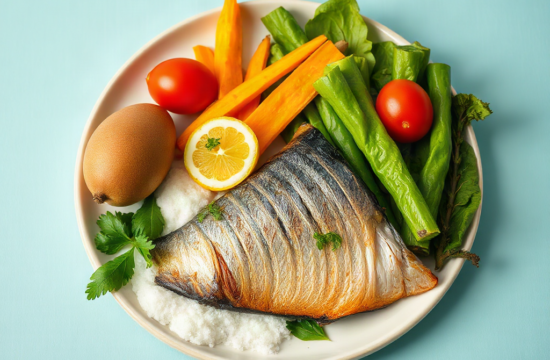
Fatty fish like salmon, mackerel, and sardines are rich sources of omega-3 fatty acids, which are essential healthy fats for weight loss. These fats have anti-inflammatory properties and support metabolic health, which is crucial for 2025 weight management trends.
Including fatty fish in your meals twice a week can help reduce visceral fat and improve overall body composition. Many studies from 2025 confirm that omega-3s can aid in fat oxidation and decrease fat accumulation.
Beyond weight loss, omega-3s promote brain health, reduce joint pain, and support heart health, making seafood a versatile addition to your diet.
Good HealthY DIETING Solution is Easier Than Most People Think!
Take a Look for Yourself!
Practical Tips for Including Fish in Your Meals
Grilling salmon with herbs or adding sardines to salads can be simple, delicious ways to get your omega-3s. If seafood isn’t your favorite, consider fish oil supplements, but consult with a healthcare provider first.
Many people underestimate the flavor and versatility of fatty fish. Experimenting with different recipes, like baked mackerel or sardine tacos, can make healthy eating enjoyable and sustainable.
Prioritizing fatty fish in your weekly meal plan is an effective strategy aligned with 2025 dietary recommendations for healthy fats for weight loss.
4. Tip 3: Use Nuts and Seeds as Snacking Options
Healthy Nuts and Seeds for Weight Loss
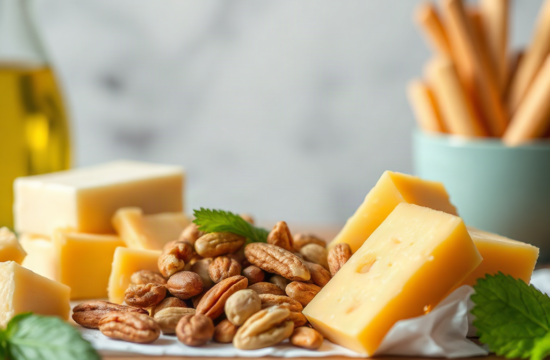
Nuts like walnuts, almonds, and pistachios, along with seeds like chia and flaxseed, are rich in healthy fats for weight loss. These nutrient-dense snacks provide a good balance of healthy fats, fiber, and protein, helping you stay full longer.
In 2025, incorporating nuts and seeds into your diet is proven to support weight management strategies. They can curb hunger between meals and prevent overeating.
However, portion control is crucial, as nuts and seeds are calorie-dense. A small handful per day is sufficient to enjoy their benefits without sabotaging your calorie goals.
Creative Ways to Incorporate Nuts and Seeds
Add chopped almonds or walnuts to oatmeal, yogurt, or salads for added flavor and nutrition. Chia seeds can be mixed into smoothies or used to make chia pudding as a nutritious snack or breakfast.
Seed butters, like almond or sunflower seed butter, are also tasty spreads that pair well with fruits and whole-grain bread.
Using nuts and seeds wisely complements a balanced diet focused on healthy fats for weight loss and adds variety to your meals.
Frequently Asked Questions about Healthy Fats for Weight Loss
1. What are the best sources of healthy fats for weight loss?
Excellent sources include avocados, olive oil, fatty fish, nuts, and seeds. Incorporating these into your diet in moderation can significantly support your weight loss goals in 2025.
2. How much healthy fat should I consume daily for weight loss?
It depends on your overall calorie needs, but generally, 20-35% of your daily calories should come from fats, prioritizing healthy types. Consulting with a nutritionist can help tailor the right amount for you.
3. Can healthy fats help me lose belly fat?
Yes, healthy fats like omega-3s and monounsaturated fats can support fat loss around the abdomen by improving metabolic health and reducing inflammation.
4. Why are healthy fats for weight loss better than low-fat diets?
Healthy fats promote satiety, stabilize blood sugar, and support overall health, making them more effective and sustainable than severely low-fat diets, especially in 2025 when dietary guidelines emphasize quality over quantity.
Conclusion
In 2025, understanding and incorporating healthy fats for weight loss is more important than ever. These fats support your metabolic health, promote satiety, and help you achieve your weight management goals sustainably. Whether itâs through monounsaturated fats, omega-3-rich fish, or nuts and seeds, making informed choices about fats can elevate your diet and improve your overall well-being. Remember, the key is moderation and selecting the right sources to optimize your health in 2025 and beyond.