Table of Contents
- 1. Understand the Basics of the Keto Diet
- 2. Plan Your Meals and Track Macros
- 3. Switch to Healthy Fats
- 4. Stay Hydrated and Manage Electrolytes
- 5. Prepare for the Initial Keto Flu
- 6. Incorporate Regular Exercise
- 7. Monitor Progress and Adjust Accordingly
1. Understand the Basics of the Keto Diet
What Is the Keto Diet?
The ketogenic diet, or keto for short, is a high-fat, low-carbohydrate eating plan designed to shift your body into a state of ketosis. In ketosis, your body burns fat for fuel instead of carbs, which can lead to rapid weight loss and improved mental clarity. If you’re wondering how to start the keto diet right, understanding its core principles is the first step.
By 2025, the keto diet has become one of the most popular approaches for weight management and metabolic health. Itâs not just about losing weight; itâs also associated with benefits like better blood sugar regulation and increased energy levels. Knowing the science behind ketosis and how your body adapts is essential for a successful start.
Why It Works
When you restrict carbs, your body depletes its glycogen stores and begins converting fat into ketones, which serve as an alternative fuel source. This metabolic switch not only promotes fat burning but also reduces hunger hormones, making it easier to eat less without feeling deprived.
Research from 2025 suggests that the keto diet can improve insulin sensitivity and decrease risk factors for heart disease. But itâs crucial to begin correctly, especially if youâre new to low-carb lifestyles. Thatâs why understanding how to start the keto diet right includes education on the metabolic process and what to expect.
2. Plan Your Meals and Track Macros
Why Meal Planning Matters
Starting with a clear meal plan ensures you stay within your carbohydrate limit while maintaining adequate fats and proteins. Many beginners struggle with accidental higher carb intake, which can kick them out of ketosis. So, learning how to start the keto diet right involves careful planning.
Creating weekly meal plans helps streamline grocery shopping, reduces decision fatigue, and keeps you accountable. Use apps like MyFitnessPal or Carb Manager in 2025 to track your macros effortlessly. These tools help you understand how different foods impact your ketogenic goals.
Calculating Your Macros
Typical macro ratios for keto are around 70-80% fats, 10-20% protein, and 5-10% carbs. However, individual needs vary based on factors like age, activity level, and health goals. Start by estimating your baseline caloric needs and then adjusting to meet the macro targets.
For example, if youâre aiming for 1500 calories per day, your breakdown might look like 115g of fat, 75g of protein, and 20g of carbs. Consistent tracking ensures you stay within these ranges, which is key for entering and maintaining ketosis efficiently.
3. Switch to Healthy Fats
Choosing the Right Fats
When considering how to start the keto diet right, selecting healthy fats is essential. Focus on sources like avocados, olive oil, coconut oil, and nuts. Avoid trans fats and heavily processed oils, which can negate health benefits.
In 2025, emphasis is on whole, minimally processed fats that support heart health and metabolic function. Incorporate fatty fish like salmon and sardines for omega-3s, which have anti-inflammatory properties and support brain health.
Balancing Your Fat Intake
While fats are the cornerstone of keto, balance is critical. Overconsumption can lead to weight gain, so monitoring portions is important. Start with moderate servings of fats, especially if youâre new, and adjust based on energy levels and weight loss progress.
A practical tip is to cook your meals with coconut or olive oil and add avocados to salads. These fats help keep you satiated and promote the ketogenic state faster and more sustainably.
4. Stay Hydrated and Manage Electrolytes
Importance of Hydration
Many beginners overlook the importance of proper hydration when starting keto. High fat intake can lead to increased water loss, causing dehydration and electrolyte imbalances. Learning how to start the keto diet right includes establishing good hydration habits from day one.
Drink plenty of water throughout the day, aiming for at least 8 cups, and listen to your body’s signals. Proper hydration supports digestion, energy, and overall well-being.
Electrolyte Balance
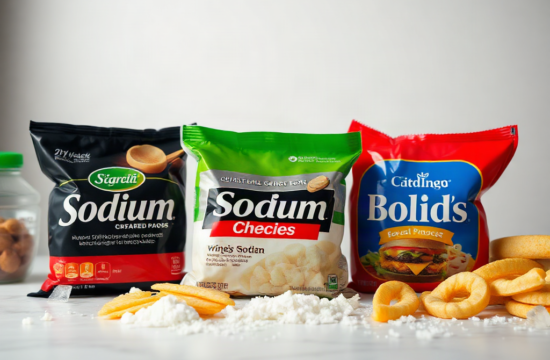
Electrolytes like sodium, potassium, and magnesium are vital for nerve and muscle function. When carb intake drops, your insulin levels fall, prompting your kidneys to excrete electrolytes. Supplementing with salt or mineral-rich foods can help prevent symptoms of the Keto Flu.
Adding a pinch of sea salt to your water or consuming electrolyte powders designed for keto can restore balance. Staying on top of electrolytes ensures a smoother transition into ketosis and reduces side effects like fatigue and headaches.
Good HealthY DIETING Solution is Easier Than Most People Think!
Take a Look for Yourself!
5. Prepare for the Initial Keto Flu
What Is the Keto Flu?
Many new keto followers experience flu-like symptoms during the first week, commonly called the keto flu. Symptoms include fatigue, headaches, irritability, and difficulty concentrating. Understanding how to start the keto diet right involves strategies to minimize these discomforts.
How to Mitigate Symptoms
To reduce keto flu symptoms, ensure youâre eating enough fats, staying hydrated, and replenishing electrolytes. Gradually reducing carbs instead of abrupt cutting can also help your body adjust more comfortably.
Practical tip: Incorporate salty broths and mineral supplements during the first week. Many people find that these measures significantly lessen symptoms, making your transition into ketosis smoother and more sustainable.
6. Incorporate Regular Exercise
Exercise and Ketogenic States
Physical activity complements your keto journey by boosting fat loss and improving metabolic health. When figuring out how to start the keto diet right, combining exercise with your new eating plan enhances results.
In 2025, many fitness experts recommend a mix of cardio, strength training, and mobility exercises for optimal benefits. Exercise increases your energy expenditure and supports muscle retention during weight loss.
Timing and Types of Exercise
Start with moderate workouts like brisk walking or yoga, especially during the initial adjustment phase. As your body adapts to ketosis, you can progressively increase intensity and duration.
Keep in mind that some athletes may experience a temporary dip in performance when first transitioning. Being patient and consistent is key to mastering how to start the keto diet right alongside your fitness routine.
7. Monitor Your Progress and Adjust Accordingly
Tracking Your Results
Regular monitoring helps you understand if your efforts are paying off. Use tools like blood ketone meters or breath analyzers to confirm youâre in ketosis. Additionally, tracking weight, measurements, and energy levels gives you a comprehensive view of your progress.
Adjusting Your Strategy
If youâre not seeing results after a few weeks, consider revisiting your macro counts, meal choices, and activity level. Sometimes, small tweaks can reignite fat burning or improve how you feel overall.
The key to how to start the keto diet right in 2025 is flexibility. Be willing to experiment with different foods or macros to find what works best for your body and goals.
Frequently Asked Questions
1. How long does it take to start seeing results on the keto diet?
Results vary, but most people start noticing weight loss and increased energy within 1-2 weeks. Consistency and proper macro management are crucial for success.
2. What are the common side effects when learning how to start the keto diet right?
The most common side effects include the keto flu, dehydration, and electrolyte imbalance. These can often be mitigated with proper hydration, electrolyte intake, and gradual carb reduction.
3. Can beginners successfully start the keto diet in 2025?
Absolutely. With updated knowledge and resources available, beginners can start the keto diet confidently by following proven strategies and tips specific to 2025 trends.
4. Is it necessary to consult a healthcare provider before starting keto?
It’s always advisable, especially if you have existing health conditions or take medications. A healthcare provider can help tailor the diet to your specific needs and ensure safety.
Conclusion
Now that you understand how to start the keto diet right in 2025, you’re equipped with essential tips to make your journey successful. From planning macros and choosing healthy fats to managing electrolytes and preparing for initial symptoms, each step is vital. Remember, consistency and patience are key â the ketogenic lifestyle can be incredibly rewarding when approached thoughtfully. Embrace this new way of eating, monitor your progress, and adapt as needed. Your health and wellness goals are within reach with the right knowledge and mindset!