- 1. Intermittent Fasting
- 2. Emphasizing Whole Foods
- 3. Incorporating Strength Training
- 4. Prioritizing Sleep and Stress Management
- 5. Personalized Nutrition Plans
- 6. Leveraging Technology and Apps
- 7. Mindful Eating and Behavioral Changes
Achieving sustainable weight loss in 2025 requires more than just dieting; it demands strategic, evidence-based approaches. If you’re seeking the top dieting strategies for weight loss this year, you’re in the right place. These strategies are backed by scientific research, tailored to modern lifestyles, and adaptable to individual needs. Whether you’re just starting or refining your current plan, understanding the most effective methods can make all the difference. Below, Iâll share seven powerful strategies that can help you reach your goals in 2025 and beyond.
1. Intermittent Fasting
What Is Intermittent Fasting?
Intermittent fasting (IF) has gained popularity as a highly effective top dieting strategy for weight loss. It involves cycling between periods of eating and fasting, which helps regulate insulin levels and promotes fat burning. Unlike traditional diets, IF focuses more on when you eat rather than what you eat. Popular methods include the 16/8 protocol â fasting for 16 hours and eating within an 8-hour window.
Studies consistently show that intermittent fasting can lead to significant weight loss, improved metabolic health, and even longevity. A 2023 review in the Journal of Nature found that intermittent fasting can help reduce body fat percentage and improve insulin sensitivity, particularly in overweight individuals.
For many, this approach simplifies daily routinesâno need to count calories obsessivelyâjust plan your eating window wisely. Practical tips include starting with a manageable fasting period and gradually extending it as your body adapts.
Benefits and Practical Tips
Intermittent fasting offers several benefits beyond weight loss, such as increased mental clarity and reduced inflammation. To get started, choose a fasting window that fits your lifestyle and feels sustainable. Common options are 12/12 or 14/10 if you’re new, progressing to 16/8 or even 24-hour fasts with proper medical guidance.
It’s vital to focus on balanced, nutrient-dense meals during eating periods. Avoid overeating or consuming unhealthy foods, which can negate the benefits. Hydration is keyâdrink plenty of water, herbal teas, and black coffee (without sugar) during fasting periods.
Remember, consistency is crucial. Some people find that combining intermittent fasting with other strategies, such as strength training and mindful eating, yields the best results for the top dieting strategies for weight loss in 2025.
2. Emphasizing Whole Foods
Why Whole Foods Matter
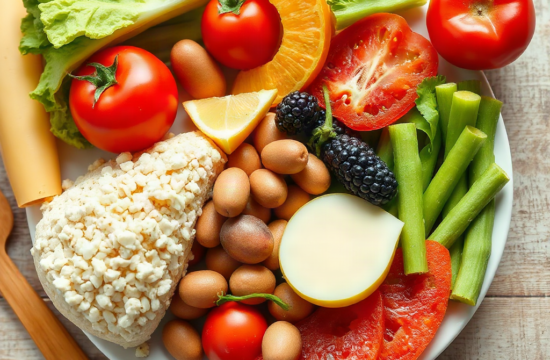
Switching to a diet rich in whole foods is one of the most straightforward top dieting strategies for weight loss. Whole foodsâfresh fruits, vegetables, lean proteins, nuts, seeds, and whole grainsâare minimally processed and retain most of their natural nutrients. They help regulate hunger hormones, improve digestion, and reduce cravings.
Research from 2024 shows that diets high in whole foods are associated with lower body weights and better metabolic profiles. Unlike processed foods high in sugar, unhealthy fats, and artificial additives, whole foods provide vital nutrients without empty calories.
Incorporating more whole foods doesn’t mean giving up varietyâit’s an opportunity to explore new recipes and flavors. Meal prepping with whole components ensures healthier choices and promotes better portion control.
Actionable Tips
- Replace refined grains with options like quinoa, brown rice, or oats.
- Fill half your plate with vegetables during each meal.
- Choose lean protein sources such as chicken, fish, or plant-based options.
Developing a habit of prioritizing whole foods can significantly enhance your progress with the top dieting strategies for weight loss in 2025. It also benefits overall health and energy levels, making sustainable weight management more attainable.
3. Incorporating Strength Training
The Role of Muscle in Weight Loss
Many people overlook the importance of strength training when pursuing weight loss. Building muscle mass is a key component of the top dieting strategies for weight loss because muscle tissue burns more calories at rest compared to fat tissue. This increased resting metabolic rate boosts overall calorie expenditure, making weight loss more efficient.
In 2025, integrating resistance exercises such as weightlifting, bodyweight workouts, or resistance bands is proven to accelerate fat loss while preserving lean muscle. This approach also improves posture, bone density, and functional strength, contributing to a more active lifestyle.
Starting with two to three strength training sessions per week is ample for beginners, gradually increasing intensity and volume over time. Combining strength training with cardio maximizes results and enhances overall fitness.
Practical Implementation
- Focus on compound movements like squats, deadlifts, and push-ups that engage multiple muscle groups.
- Allow sufficient recovery time between sessions to prevent injury.
- Combine strength routines with high-intensity interval training (HIIT) for added fat-burning effects.
Using strength training as part of your overall plan makes it one of the most effective top dieting strategies for weight loss to sculpt your physique and foster long-term health in 2025.
4. Prioritizing Sleep and Stress Management
The Connection to Weight Loss
We often overlook the significance of sleep and stress levels when discussing top dieting strategies for weight loss. Chronic stress and insufficient sleep increase cortisol levels, which can lead to increased appetite and fat retention, especially around the abdomen. Prioritizing quality sleepâaiming for 7-9 hours per nightâis essential for hormonal balance and healthy metabolism.
In 2025, new research emphasizes that effective stress management techniques, such as meditation, yoga, or deep breathing exercises, can enhance weight loss outcomes. Managing stress reduces emotional eating triggers and supports better decision-making regarding food choices.
Creating a sleep-friendly environment and setting consistent routines are practical ways to optimize rest. Avoid screens before bed, keep your bedroom cool and dark, and limit caffeine intake later in the day.
Good HealthY DIETING Solution is Easier Than Most People Think!
Take a Look for Yourself!
Actionable Tips
- Establish a relaxing bedtime routine to improve sleep quality.
- Practice mindfulness or meditation daily to reduce stress-induced cravings.
- Engage in regular physical activity to help regulate cortisol levels.
Incorporating these stress and sleep strategies turns into a powerful component of your top dieting strategies for weight loss in 2025, supporting overall well-being and better outcomes.
5. Personalized Nutrition Plans
Why Customization Matters
No two bodies are exactly alike, which is why personalized nutrition plans are among the most effective top dieting strategies for weight loss in 2025. Genetic, metabolic, and lifestyle differences demand tailored approaches rather than one-size-fits-all diets. Advances in testing and data analysis allow for customized meal plans based on individual preferences, health markers, and goals.
Studies show that personalized diets improve adherence and satisfaction, ultimately leading to better weight management results. Furthermore, personalized plans can identify food sensitivities and optimize micronutrient intake, supporting overall health.
Working with registered dietitians and utilizing health-tracking apps makes customization accessible and practical in everyday life.
Actionable Tips
- Get blood glucose and nutrient level testing to inform your diet choices.
- Use apps that track your food intake and offer personalized feedback.
- Adjust your macros and meal timings based on your activity levels and responses.
Implementing personalized nutrition strategies ensures that your weight loss journey aligns with your unique physiology, making it one of the most sustainable top dieting strategies for weight loss in 2025.
6. Leveraging Technology and Apps
Tools to Enhance Your Approach
Technological advancements in 2025 make tracking progress easier and more motivating than ever. From calorie counting apps to wearable fitness devices, these tools help you stay accountable and informed. Real-time feedback can optimize your workouts and dietary choices, aligning with proven top dieting strategies for weight loss.
Data-driven insights allow you to identify patterns, adjust behaviors, and celebrate milestones. For example, many apps integrate sleep tracking, activity levels, and nutrition logs to create a comprehensive health profile.
Additionally, some platforms offer virtual coaching or community support, which enhances accountability and encourages consistency. Using technology is an effective way to personalize your journey and stick to your weight loss goals.
Practical Tips
- Consistently log food intake and physical activity for accurate monitoring.
- Set SMART goals within apps to stay motivated.
- Explore virtual coaching options for personalized advice and support.
Embracing technology complements traditional strategies and solidifies your top dieting strategies for weight loss in 2025, ensuring you stay on track and motivated.
7. Mindful Eating and Behavioral Changes
Changing Your Eating Habits
Mindful eating is a powerful top dieting strategy for weight loss that emphasizes present-moment awareness during meals. Recognizing hunger cues, savoring each bite, and eating without distractions can reduce overeating and emotional eating.
Behavioral changes, like meal planning and setting realistic goals, support sustained weight management. Incorporating mindfulness techniques helps reinforce healthier choices and foster a positive relationship with food.
Research from 2024 emphasizes that mindful eating not only aids weight loss but also improves digestion and reduces stress related to dieting. It encourages a balanced approach that emphasizes nourishment and enjoyment instead of restriction.
Practical Strategies
- Eat slowly, paying attention to flavors, textures, and fullness cues.
- Operate in a distraction-free environment during meals.
- Reflect on your eating habits regularly and identify triggers for overeating.
Adopting mindful eating practices is an essential component of the top dieting strategies for weight loss in 2025, helping you cultivate sustainable, healthy habits.
Conclusion
In 2025, the most successful weight loss journeys rely on a combination of scientifically supported top dieting strategies for weight loss. From intermittent fasting and emphasizing whole foods to strength training and personalized plans, each strategy offers unique benefits. By integrating these methods into your daily routine, youâre setting yourself up for sustainable success and improved overall health. Remember, consistency and adaptability are keyâthese strategies can evolve with your progress and preferences. Stay committed, informed, and motivated, and you’ll be well on your way to achieving your weight loss goals this year and beyond!
Frequently Asked Questions
1. What are the most effective top dieting strategies for weight loss in 2025?
The most effective strategies include intermittent fasting, emphasizing whole foods, incorporating strength training, prioritizing sleep and stress management, personalized nutrition, leveraging technology, and practicing mindful eating.
2. How does personalized nutrition contribute to weight loss?
Personalized nutrition plans tailor diet choices to your unique physiology, preferences, and health data, increasing adherence and effectiveness of weight loss efforts. This approach reduces trial and error, making your journey more sustainable.
3. Can technology really help me lose weight?
Absolutely. Apps, wearables, and virtual coaching provide real-time feedback, tracking, and support that keep you accountable and informed, significantly enhancing your ability to stick with your plan.
4. Why is stress management important for weight loss?
Chronic stress increases cortisol, which can promote fat retention and cravings. Managing stress through mindfulness, sleep, and relaxation techniques helps regulate hormones and supports your weight loss goals.
Good HealthY DIETING Solution is Easier Than Most People Think!
Take a Look for Yourself!
Related Content
- Weight Loss Tips Straight From The Body Gurus
- The Benefits of Intermittent Fasting for Natural Weight Loss
- Weight Loss Tips That Fit Any Lifestyle: Practical Steps and Everyday Strategies
- How to Use Herbs for Natural Weight Loss
- How to Recover from Diet-Related Fatigue: Effective Strategies and Nutritional Adjustments