Achieving health and wellness goals in 2025 starts with setting achievable, realistic dieting goals. These goals are not only sustainable but also promote a positive relationship with food and exercise. Whether you’re just starting your weight management journey or refining your habits, understanding how to set realistic expectations is essential for long-term success. In this comprehensive guide, I’ll walk you through 10 proven strategies to establish realistic dieting goals that fit your lifestyle and help you maintain motivation throughout 2025 and beyond.
1. Set Achievable Weight Loss Targets
Understanding What Is Realistic
Many people dream of rapid weight loss, but research shows that losing 1-2 pounds per week is a healthy and sustainable rate. Setting targets that reflect this realistic standard prevents frustration and burnout. For 2025, focus on steady, manageable progress rather than quick fixes that are often unsustainable.
For example, aiming to lose 10% of your body weight over several months is more achievable than trying to drop 30 pounds in a month. These gradual goals help your body adapt and reduce the risk of regaining lost weight later.
Practical Tips for Setting Your Goals
Use SMART criteria: Specific, Measurable, Achievable, Relevant, Time-bound. For instance, “I want to lose 5 pounds in two months by walking 30 minutes daily and reducing sugary snacks.” Such clear goals promote consistency and trackability.
Keep in mind that individual factors like age, metabolism, and health conditions influence realistic weight loss. Consulting a healthcare provider can help you personalize your targets for 2025.
2. Focus on Consistent Meal Planning
The Power of Routine
Establishing consistent meal times helps regulate blood sugar and reduces impulsive snacking. For 2025, aim to plan your week ahead, ensuring each meal is balanced with proteins, complex carbs, and healthy fats.
Having a plan minimizes decision fatigue and can prevent last-minute unhealthy choices. Consistency also helps your body develop a routine, making adherence to realistic dieting goals easier.
Tools and Tips for Meal Planning Success
Use meal prep containers and a weekly schedule to prep ingredients in advance. Apps like MyFitnessPal or Yazio can assist with tracking goals and staying accountable.
Remember, flexibility is keyâallow yourself occasional treats or substitutions to keep from feeling deprived, aligning perfectly with achievable dieting goals.
3. Incorporate Physical Activity Gradually
Starting Small for Long-Term Success
In 2025, a common mistake is overcommitting to intense workout routines that quickly become overwhelming. Instead, focus on small, manageable changesâlike 10-minute walks dailyâthat you can sustain over time.
Gradual increase in activity not only reduces injury risk but also helps establish a habit. Over months, you can add more intensity or duration, making your fitness journey part of your lifestyle.
The Role of Movement in Achieving Your Goals
Research indicates that even moderate physical activity significantly benefits weight regulation and overall health. Combine cardio, strength, and flexibility exercises for a holistic approach.
For example, in 2025, integrating activities you enjoy, like dancing or cycling, can improve adherence to your goals, making realistic dieting goals more attainable through physical activity.
4. Prioritize Nutrient Density
Eating for Health & Satisfaction
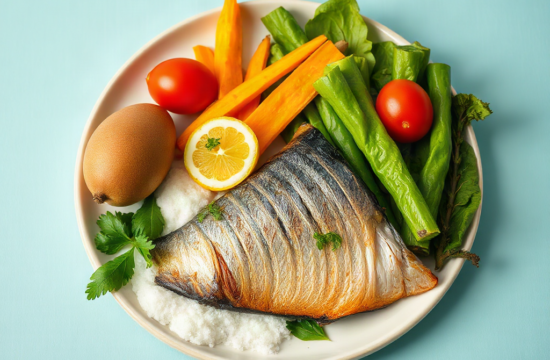
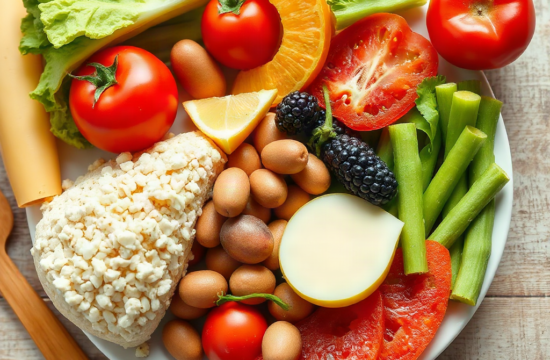
Choosing nutrient-dense foods ensures your body gets essential vitamins and minerals without excessive calories. For 2025, aim to fill half your plate with vegetables, fruits, and whole grains.
This approach helps you feel fuller longer, reduces cravings, and supports weight management within realistic dieting goals framework.
Meal Ideas for Nutritional Balance
Include lean proteins like chicken or beans, healthy fats from avocados and nuts, and complex carbs such as sweet potatoes. Planning meals with nutrient density in mind makes it easier to stick to your goals without feeling deprived.
Remember, small, consistent food choices lead to sustainable progress over time.
5. Establish Realistic Hydration Goals
The Importance of Staying Hydrated
Water plays a vital role in weight management and overall health. In 2025, aim for about 8 cups (64 ounces) per day, adjusting for activity level and climate.
Proper hydration can curb hunger, improve digestion, and enhance exercise performance, all aligning with realistic dieting goals.
Tips for Staying Hydrated
Carry a reusable water bottle and set reminders if necessary. Infuse water with fruit for flavor if you struggle to drink plain water.
Tracking your intake with apps can help you maintain consistent hydration, supporting your broader health and weight management goals.
6. Improve Sleep and Recovery
The Connection Between Sleep & Weight
Getting enough quality sleep is crucial for hormonal balance and appetite regulation. In 2025, aim for 7-9 hours nightly to support your realistic dieting goals.
Chronic sleep deprivation increases cravings and can sabotage your efforts. Prioritize establishing a bedtime routine to improve sleep quality.
Good HealthY DIETING Solution is Easier Than Most People Think!
Take a Look for Yourself!
Enhancing Recovery and Well-Being
Recovery isn’t just about sleep; includes rest days, stress management, and mindful activities like yoga. These practices help sustain your progress and prevent burnout from overly rigid dieting goals.
7. Practice Mindful Eating
How Mindfulness Supports Your Goals
Eating slowly and paying attention to hunger cues can prevent overeating, an essential part of realistic dieting goals. Mindfulness enhances awareness of true hunger versus emotional eating.
Research shows that mindful eating can lead to better food choices and improved satisfaction from smaller portions, which helps you stay on track long-term.
Simple Strategies to Start Mindful Eating
Try to eat without distractions like screens or phones. Focus on the taste, texture, and aroma of your food.
Practicing gratitude before eating can also promote a positive attitude towards your health journey, making your goals more sustainable.
8. Track Progress with Flexibility
Monitoring Without Obsession
Keeping a food diary or using apps helps you stay aware of your habits. In 2025, choose methods that provide insights without leading to obsessive behaviors.
Remember, progress isnât always linear. Celebrate small victories and learn from setbacks to maintain realistic dieting goals with a healthy mindset.
Balancing Data with Self-Compassion
Set aside specific times for weigh-ins or measurements rather than daily checks, which can cause unnecessary stress. Focus on how you feel physically and mentally as well as the numbers.
This balanced approach supports long-term adherence to realistic dieting goals, fostering a positive relationship with health.
9. Set Short-term Milestones
The Power of Small Wins
Breaking your main goal into smaller milestones keeps motivation high. For 2025, aim for monthly achievements like trying a new healthy recipe or increasing daily activity.
Short-term milestones offer frequent feedback and a sense of accomplishment, making your overall plan more manageable and realistic.
Strategies for Effective Milestone Planning
Write down your milestones and reward yourself with non-food treats, such as a spa day or new workout gear. This practice boosts morale while staying aligned with healthy goals.
Adjust milestones as needed to stay realistic and prevent discouragement.
10. Maintain Long-term Motivation
Finding Your “Why”
Understanding your personal reasonsâlike improving energy, setting an example for family, or enhancing healthâcan sustain your efforts in 2025 when goals are realistic and achievable.
Connecting with these motivations on tough days keeps your mindset positive and committed to your journey.
Building Support Systems
Join online communities or local groups focused on health. Sharing your progress and challenges can provide encouragement and accountability, reinforcing realistic dieting goals.
Remember, consistency and patience are key for lasting change.
Conclusion
In 2025, setting realistic dieting goals is the cornerstone of sustainable health and weight management. By focusing on achievable targets, maintaining consistency, and being kind to yourself, you create a solid foundation for long-term success. Remember that small, steady steps often lead to the most enduring results. Keep your goals practical, flexible, and aligned with your lifestyle, and you’ll find that this approach makes your health journey much more enjoyable and effective.
Frequently Asked Questions
1. What are some examples of realistic dieting goals for 2025?
Examples include losing 1-2 pounds per week, incorporating 30 minutes of activity daily, or planning balanced meals each day. These targets support sustainable progress without overextending yourself.
2. How can I stay motivated while working towards realistic dieting goals?
Find your personal motivation, set short-term milestones, and celebrate small wins. Joining support groups and tracking your progress can also keep you encouraged and focused.
3. Why are realistic dieting goals important for long-term success?
They prevent burnout, reduce frustration, and promote healthful habits that are sustainable over years, not just weeks. This approach ensures lasting lifestyle changes.
4. How do I adjust my goals if I find them too challenging?
Review your progress, consult with a health professional, and break goals into smaller steps. Flexibility is keyâadjusting goals keeps you motivated and on track.
Good HealthY DIETING Solution is Easier Than Most People Think!
Take a Look for Yourself!
Related Content
- Ageless Exploration: How Health and Travel Intersect for Women Over 50 with Doni Belau
- 10 Effective Keto Diet Tips to Maximize Your Results in 2025
- What Restaurant Meals Are Easiest to Fit Into a Diet? Practical Picks and Ordering Swaps
- How to Handle Cravings on a Diet: Effective Strategies and Foods
- Dieting Tips That Simplify Weight Loss: Practical Foods and Daily Habits for Sustainable Success