1. Prioritize Whole Foods
Understanding Whole Foods and Their Benefits
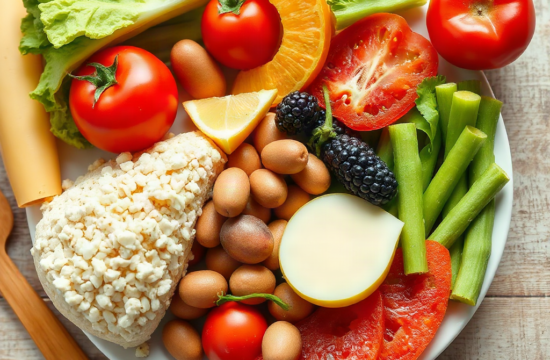
In 2025, focusing on whole foods remains one of the cornerstone balanced diet tips. Whole foods, such as fresh fruits, vegetables, whole grains, nuts, and lean meats, provide essential nutrients without added preservatives or artificial ingredients. By choosing whole foods, you’re nourishing your body with natural vitamins, minerals, and fiber that support overall health.
Research consistently shows that diets rich in whole foods help manage weight, improve digestion, and reduce the risk of chronic diseases like heart disease and diabetes. For example, a study in the Journal of Nutrition (2024) found that individuals consuming more whole grains had a 20% lower risk of heart disease compared to those with a Western diet high in refined carbs.
Implementing this balanced diet tip can start with simple swapsâsuch as replacing white bread with whole-grain bread or choosing fresh fruit over fruit-flavored snacks. These small changes can significantly elevate your nutritional intake over time.
Practical Tips to Incorporate Whole Foods
To effectively prioritize whole foods, plan your shopping around fresh produce and unprocessed ingredients. Make a weekly meal plan that emphasizes nutrient-dense options. Additionally, avoid heavily processed foods that often contain hidden sugars, salts, and unhealthy fats.
Cooking at home more frequently allows better control over ingredients and promotes healthier eating habits. Experiment with new recipes using whole foods like quinoa salads or roasted vegetables to keep your diet exciting and balanced.
2. Incorporate a Variety of Nutrients
Why Diversity Matters in Your Diet
A key balanced diet tip for 2025 is ensuring you get a broad spectrum of nutrients. No single food can provide all the essential vitamins and minerals your body needs. Eating a diverse range of foods helps fill nutritional gaps and supports optimal bodily functions.
For instance, different colors of fruits and vegetables contain unique antioxidants and phytochemicals that promote immunity and reduce inflammation. Incorporating a rainbow of produce in your meals ensures comprehensive nutrient coverage.
Strategies to Achieve Nutritional Diversity
Create a colorful plate at every meal with a combination of vegetables, fruits, grains, and protein sources. Rotate your protein optionsâsuch as fish, tofu, beans, and poultryâto benefit from their different nutrient profiles. Combining plant-based foods with lean animal proteins can optimize nutrient intake simultaneously.
Supplements can help, but focusing on whole, varied foods should always be the primary approach. Regularly update your meal plans to include new ingredients and recipes, keeping your diet engaging and nutrient-rich.
3. Watch Portion Sizes
Controlling Intake Without Feeling Deprived
In 2025, mindful portion control remains a balanced diet tip backed by science. Overeating, even healthy foods, can lead to weight gain and metabolic issues. Learning to gauge proper serving sizes is essential for maintaining a healthy weight and energy balance.
Using smaller plates, measuring cups, or visual cues (like a fist or palm) can help manage portion sizes effectively. For example, a serving of cooked rice should be roughly the size of your fist, and protein should be about the size of your palm.
Tips for Avoiding Overeating
Eat slowly and savor each bite to give your brain time to register fullness. Avoid eating straight from packages, which can lead to mindless overeating. Planning your meals with appropriate portions in mind can help prevent impulse eating.
In 2025, appetite-tracking apps and smart kitchen tools can further assist you in maintaining balanced portion sizes, making it easier to stick to your dietary goals.
4. Stay Hydrated
Why Hydration Is Central to a Balanced Diet
Water plays a vital role in nearly all bodily functions, from digestion to temperature regulation. Proper hydration supports nutrient transport and waste elimination, contributing to overall health and energy levels. In 2025, staying well-hydrated is recognized as a fundamental balanced diet tip for optimal wellness.
Many people overlook hydration, assuming they are drinking enough. The general recommendation is about 8 glasses, but individual needs can vary based on activity level, climate, and health status.
Tips to Improve Your Hydration Habits
Carry a reusable water bottle throughout the day and set reminders to drink regularly. Incorporate hydrating foods like cucumbers, strawberries, and watermelon into your diet to boost fluid intake naturally.
Limit sugary drinks and alcohol, which can dehydrate your body. Drinking enough water not only supports your overall diet but also improves skin health, boosts energy, and aids in weight management.
5. Limit Processed Foods and Sugars
The Impact of Processed Foods on Your Health
In 2025, reducing processed foods and added sugars remains a top balanced diet tip. These foods are often high in unhealthy fats, refined carbs, and artificial additives that contribute to inflammation, weight gain, and chronic diseases.
Statistics show that excessive sugar consumption increases the risk of type 2 diabetes and heart disease. For example, cutting back on sugary beverages can save you hundreds of calories per day, aiding weight loss efforts.
Practical Steps to Cut Back
Read nutrition labels carefully and identify hidden sugars or unhealthy fats. Replace candy, pastries, and chips with healthier snack options like nuts, seeds, or fresh fruit.
Gradually reduce your intake rather than eliminating sugars overnightâthis approach helps sustain motivation and creates lasting habits. In 2025, innovative products with natural sweeteners and minimally processed ingredients are widely available to support this goal.
6. Plan Your Meals Ahead
The Benefits of Meal Planning for a Balanced Diet
Meal planning is an essential balanced diet tip that ensures you make consistent, nutritious choices. When you plan ahead, you’re less likely to rely on fast food or instant snacks, which often lack essential nutrients.
Planning allows you to balance your macronutrients and include a variety of food groups, contributing to better health outcomes. It also saves time and reduces food waste.
Good HealthY DIETING Solution is Easier Than Most People Think!
Take a Look for Yourself!
Getting Started with Meal Planning
Spend a few minutes each week creating a meal calendar that includes breakfast, lunch, dinner, and snacks. When grocery shopping, stick to your list of wholesome ingredients to avoid impulsive, unhealthy purchases.
Batch-cooking and prepping ingredients in advance can streamline your week, making it easier to maintain a balanced diet in 2025. Use apps or digital tools to organize and track your meal plans efficiently.
7. Balance Macronutrients
Understanding the Macro Components
Carbohydrates, proteins, and fats are the three main macronutrients that need to be balanced for optimal health. In 2025, a well-rounded diet includes all three in proportions suited to your lifestyle and health goals.
For instance, athletes might need more carbs to fuel their activity, while individuals aiming for weight loss may focus on higher protein intake. The key is moderation and variety.
Tips to Achieve Macronutrient Balance
Use a plate method: fill half your plate with vegetables, one quarter with lean protein, and one quarter with whole grains or starchy vegetables. This visual guide helps maintain proper ratios.
Monitoring your intake using food tracking apps can also ensure you’re meeting your macro goals. Consult with nutritionists to tailor your diet to your specific needs in 2025.
8. Practice Mindful Eating
The Power of Mindful Eating
In 2025, mindful eating is recognized as a valuable balanced diet tip to improve digestion and prevent overeating. Paying attention to your hunger cues and enjoying each bite makes meals more satisfying and helps regulate portions naturally.
Research shows that mindful eating can lead to healthier food choices and greater enjoyment of meals, which is necessary for sustainable dietary habits.
How to Practice Mindfulness During Meals
Eat slowly without distractions like TV or smartphones. Take time to savor flavors, textures, and aromas, enhancing your awareness of the eating experience.
Pause when you feel full to avoid overeating. Incorporate breathing exercises or gratitude practices to enrich your mindful eating routine in 2025.
9. Use Supplements Wisely
When Supplements Are Necessary
While a balanced diet should be primarily based on whole foods, supplements can fill nutritional gaps in 2025. For example, vitamin D, omega-3 fatty acids, or iron supplements may be recommended for certain populations or health conditions.
Always consult a healthcare provider before adding supplements to your diet. Proper use avoids excess intake, which can be harmful.
Tips to Incorporate Supplements Safely
Prioritize obtaining nutrients from food sources first. Use supplements as a complement rather than a replacement for healthy eating.
Stay informed about the latest research and choose reputable brands to ensure safety and efficacy. Regular blood tests can help identify deficiencies and guide supplementation in 2025.
10. Stay Consistent and Adjust
The Importance of Routine and Flexibility
Consistency is key to long-term success with any balanced diet plan. However, flexibility allows you to adapt to changing needs, preferences, and life circumstances in 2025.
Monitor your progress and be willing to make adjustments. Small, sustainable changes are more effective than drastic overhauls that are hard to maintain.
Practical Tips for Staying on Track
Set realistic goals, track your habits, and celebrate milestones. Incorporate variety to prevent boredom while keeping alignment with your health objectives.
Involving family or friends can increase motivation and accountability. Remember, a balanced diet tip isnât just about what you eatâit’s about creating a lifestyle that promotes ongoing health and well-being.
Conclusion
In 2025, adopting effective balanced diet tips is more achievable than ever, thanks to a growing awareness and better resources. Remember, small consistent changes like prioritizing whole foods, practicing mindful eating, and balancing macronutrientsâare the keys to transforming your health. Embrace these 10 balanced diet tips to build a sustainable, nourishing lifestyle that lasts. The journey to better health begins with simple, deliberate steps, and keeping these principles in mind will help you thrive in 2025 and beyond.
Frequently Asked Questions
1. What are some easy balanced diet tips for beginners?
Start with simple swaps like choosing whole grains, adding more fruits and vegetables, and controlling portion sizes. Planning meals ahead and staying hydrated are also beginner-friendly tips.
2. How important is diversity in a balanced diet?
Very important. Incorporating a variety of foods ensures you get all essential nutrients your body needs, supporting overall health and preventing deficiencies.
3. Can I rely on supplements instead of eating healthy foods?
Supplements should complement a healthy diet, not replace it. Always consult a healthcare provider before starting new supplements to ensure they are necessary and safe.
4. How do I stay motivated to stick to balanced diet tips?
Set realistic goals, track your progress, and involve loved ones for support. Remember to celebrate your achievements and listen to your body’s needs.