- 1. Prioritize Nutrient-Dense Foods for Meal Prep for Dieting
- 2. Plan Your Meals Around Your Calorie Goals
- 3. Batch Cooking and Freezing for Convenience
- 4. Use Smart Containers for Portion Control
- 5. Incorporate Variety to Prevent Meal Fatigue
- 6. Leverage Technology for Meal Planning
- 7. Prepare Snacks and Mini-Meals
- 8. Focus on Balanced Macronutrients
- 9. Optimize Your Kitchen for Efficient Meal Prep
- 10. Consistency and Flexibility for Long-Term Success
1. Prioritize Nutrient-Dense Foods for Meal Prep for Dieting
Understanding Nutrient Density
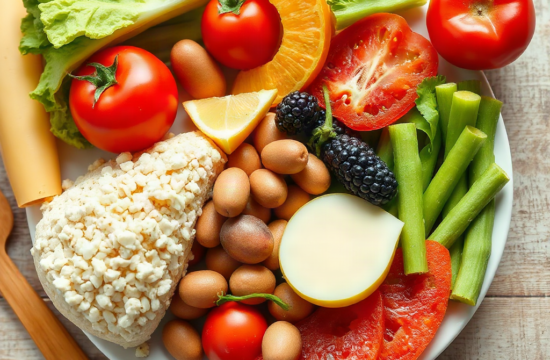
When it comes to meal prep for dieting in 2025, focusing on nutrient-dense foods is essential. These are foods that provide a high amount of vitamins, minerals, and other beneficial nutrients relative to their calorie content. Incorporating vegetables, lean proteins, and whole grains ensures your body gets the nutrients it needs without excess calories.
For example, leafy greens like spinach and kale are packed with antioxidants and fiber, making them perfect for meal prep. These foods help maintain energy levels and support overall health, which is critical during weight loss journeys.
Studies show that diets rich in nutrient-dense foods promote feelings of fullness and reduce overeating. This helps sustain your calorie deficit more naturally and reduces dependency on calorie counting alone.
Practical Tips for Incorporating Nutrient-Dense Options
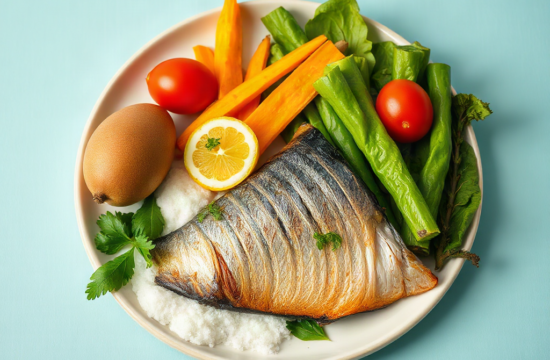
Start by filling your meal prep containers with colorful vegetables and a quality protein source such as chicken breast, fish, or plant-based proteins like lentils and chickpeas. Use herbs and spices to add flavor without extra calories.
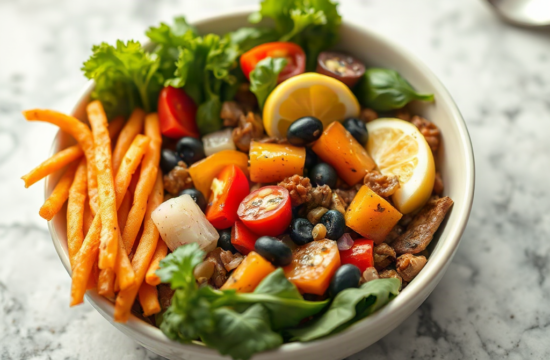
Experiment with different recipes to keep your diet exciting. Roasting vegetables, stir-frying lean proteins, and preparing hearty salads are all excellent ways to stay on track. Remember, the goal is to make your meals as nutrient-rich as possible to support effective dieting in 2025.
In closing, plan your shopping list around these nutrient-dense options before heading to the store. This approach reduces impulse buys and keeps your focus on healthy, effective meal prep for dieting.
2. Plan Your Meals Around Your Calorie Goals
Knowing Your Daily Calorie Needs
Understanding your calorie requirements is the foundation of effective meal prep for dieting. In 2025, personalized calorie tracking apps and wearable devices make it easier than ever to monitor your intake. Setting a daily calorie goal based on age, gender, activity level, and weight loss targets helps you create a tailored meal prep plan.
For instance, a typical woman aiming to lose weight may target around 1,500 calories per day, while a man might aim for 1,800â2,000 calories. Adjusting portion sizes and meal components accordingly ensures you stay within your calorie limits.
Accurate measurement and portion control are key. Use kitchen scales and measuring cups to stay precise. This strategic planning minimizes overeating and maximizes the benefits of meal prepping for dieting.
Designing Your Meal Plan
Create a weekly menu that aligns with your calorie goals. Break down each meal (breakfast, lunch, dinner, snacks) to meet your daily targets. For example, breakfast might be 300 calories, lunch 500, dinner 600, and snacks 100-200.
Utilize online templates or apps designed for meal planning to simplify this process. Consistency is vital; preparing meals around a set calorie framework makes your dieting efforts more sustainable and effective in 2025.
Remember, the key is not just calorie counting but also choosing foods that keep you full and energized throughout the day. When your meals are balanced, meal prep for dieting becomes a seamless part of your lifestyle.
3. Batch Cooking and Freezing for Convenience
Advantages of Batch Cooking
Batch cooking is a game-changer for meal prep for dieting, especially in 2025. Preparing large quantities of healthy meals at once saves time and reduces the temptation to order takeout or snack on unhealthy options. It also ensures you have control over ingredients and portion sizes.
For example, cooking a big pot of chili, stew, or roasted vegetables allows you to portion out meals for the week. This consistency helps maintain your calorie and nutrient targets effortlessly.
Batch cooking also allows side benefits such as cost savings and minimized food waste. By preparing meals in advance, you reduce shopping trips and simplify your daily routine.
Proper Freezing Techniques
Freezing your prepared meals preserves their freshness and makes your meal prep for dieting even more efficient. Use airtight containers or vacuum sealing to prevent freezer burn and maintain flavor.
Label each container with the date and contents to keep track of your meals. For optimal taste and nutrient retention, consume frozen meals within 3-6 months.
In 2025, advancements in freezer technology and storage containers have made it easier to keep meals fresh longer. Incorporating batch cooking and freezing into your routine ensures you always have healthy options ready to go, especially on busy days.
4. Use Smart Containers for Portion Control
Benefits of Portion-Controlled Containers
Investing in smart containers or portion-controlled meal prep containers is a great strategy for meal prep for dieting in 2025. These tools help you manage serving sizes, ensuring your meals stay aligned with your calorie goals without constant weighing or measuring.
Some containers have built-in compartments, which make it easy to prepare balanced meals with appropriate portions of carbs, proteins, and veggies. Others come with digital features that sync with your smartphone to track servings.
Using proper containers prevents overeating and promotes consistency, making your dieting efforts more effective and less stressful.
Choosing the Right Containers
Select containers made from durable, BPA-free materials suitable for microwave and freezer use. Look for options that are leak-proof and dishwasher safe for convenience.
Create a system where each container is pre-measured for specific meals or snacks. This reduces daily decision fatigue and ensures adherence to your calorie and macros.
In 2025, incorporating smart technology into containers enhances your ability to stick with your meal prep for dieting plan, offering data-driven insights and easier tracking.
5. Incorporate Variety to Prevent Meal Fatigue
Importance of Variety in Diets
One common challenge in meal prep for dieting is boredom, which can sabotage your efforts. In 2025, adding variety is key to maintaining motivation. Rotating different proteins, vegetables, and grains ensures your palate stays interested and your diet sustainable.
For example, alternate between chicken, fish, tofu, and legumes for protein sources. Mix colorful vegetables like peppers, zucchini, and beets to keep things visually appealing and nutritious.
Research indicates that dietary variety enhances nutrient intake and reduces the risk of deficiencies. It also helps prevent psychological fatigue, making it easier to stick with your meal prep routine long-term.
Creative Meal Ideas
Some ideas include themed weekly menus: Mexican tacos with lean turkey, Mediterranean bowls with hummus and falafel, or Asian stir-fries with lean beef or tofu. Use herbs and spices liberally to add flavor without extra calories.
Experimenting with different recipes not only keeps your meals exciting but also introduces new nutrients into your diet, supporting overall health during your weight loss journey in 2025.
6. Leverage Technology for Meal Planning
Digital Tools and Apps
In 2025, technology plays a crucial role in streamlining meal prep for dieting. Apps like MyFitnessPal, Yazio, and Mealime help you plan, track, and organize your meals efficiently. They provide calorie counts, macro breakdowns, and shopping lists in seconds.
Using these tools, you can create weekly meal plans aligned with your caloric and macro goals, making meal prepping more precise and accessible. Many also offer barcode scanning features for quick logging of packaged foods.
Automation and reminders from these apps keep you accountable and reduce guesswork, so your dieting journey stays on track.
Good HealthY DIETING Solution is Easier Than Most People Think!
Take a Look for Yourself!
Smart Kitchen Devices
Smart kitchen gadgets like digital scales, instant pots, and smart ovens further enhance your meal prep process. They provide exact measurements and automate cooking steps, saving time and ensuring consistency.
In 2025, integrating these devices with your meal planning apps creates a seamless system for healthy eating. Making meal prep for dieting more straightforward and enjoyable is now more achievable than ever.
7. Prepare Snacks and Mini-Meals
The Role of Snacks in Weight Loss
Snacks play an important role in managing hunger and preventing overeating at main meals during your journey of meal prep for dieting. Preparing healthy, portion-controlled snacks ensures you stay satisfied without sabotaging your calorie goals.
Examples include cut-up vegetables with hummus, Greek yogurt with berries, or mixed nuts in small portions. Planning these in advance helps avoid impulsive buys or unhealthy choices.
According to research, structured snacking can improve adherence to weight management plans by stabilizing blood sugar levels and curbing cravings throughout the day.
Mini-Meal Ideas
Prepare mini-meals that combine lean proteins, healthy fats, and fiber. These can be packed into small containers for busy days. For instance, boiled eggs, chicken salad cups, or protein smoothies.
Having these ready means you always have access to nourishing food, making meal prep for dieting much easier. Consistent planning and pre-portioning are the keys to this success in 2025.
8. Focus on Balanced Macronutrients
Understanding Macronutrient Ratios
An effective meal prep for dieting strategy in 2025 involves balancing macronutrientsâcarbohydrates, proteins, and fatsâfor optimal health and weight loss. A balanced intake supports energy levels, muscle preservation, and satiety.
Typical ratios for weight loss might be 40% carbs, 30% protein, and 30% fats, but individual needs vary. Use macro tracking tools to fine-tune your meals.
Whole grains, lean meats, healthy fats like avocados, and fiber-rich vegetables form the backbone of a balanced meal plan that supports sustained dieting efforts.
Practical Tips for Achieving Balance
Ensure each meal contains a source of lean protein, complex carbs, and healthy fats. For example, grilled salmon, quinoa, and roasted vegetables create a nutrient-rich, satisfying meal.
Meal prep for dieting becomes more manageable when you prepare balanced dishes in advance, reducing the temptation of unhealthy carb-heavy snacks or overly processed foods.
In 2025, personalized nutrition insights backed by AI help design macro-balanced plans tailored to your specific weight loss goals. Utilizing these tools enhances your success rate.
9. Optimize Your Kitchen for Efficient Meal Prep
Organizational Tips
A well-organized kitchen makes meal prep for dieting more efficient and less stressful. Designate specific areas for prepping, storing, and cooking your healthy ingredients.
Use clear containers, labels, and pull-out shelves to keep everything accessible. Maintaining an orderly space reduces cooking time and keeps you motivated.
Creating a dedicated zone for your meal prep supplies encourages consistency and productivity, especially in 2025 as busy schedules demand quick, healthy solutions.
Essential Equipment
Equip your kitchen with time-saving tools like sharp knives, a quality food processor, and large mixing bowls. Investing in good quality containers and storage solutions also streamlines your routine.
Incorporate appliances like slow cookers or instant pots to handle multiple meals simultaneously, freeing up time for other activities. In 2025, smarter appliances with app connectivity can further automate preparation tasks.
Optimizing your kitchen setup ensures your commitment to meal prep for dieting remains sustainable and enjoyable over time.
10. Consistency and Flexibility for Long-Term Success
Building Habits
The key to successful meal prep for dieting in 2025 is consistency. Developing habits like weekly planning, shopping, and meal prepping ensures steady progress. Consistency helps reinforce healthy behaviors and makes dieting a natural part of your lifestyle.
Start smallâperhaps preparing meals for three days initiallyâand gradually expand as you get comfortable. Tracking your progress provides motivation and reveals what works best for you.
Remember, small but consistent steps lead to lasting results, and maintaining flexibility allows you to adapt your plan as needed.
Flexibility and Mindset
Flexibility is essential. Allow occasional treats and adjust your meal prep for dieting based on social events or changing routines to prevent burnout. A rigid approach can lead to frustration while flexibility promotes sustainability.
Thinking long-term, the focus should be on creating enjoyable, nourishing meals that support your health goals. In 2025, many apps and tools help you track and adjust your plan dynamically, fostering resilience and progress.
Consistency paired with flexibility creates a balanced, enjoyable dieting experience that lasts beyond 2025.
Frequently Asked Questions
1. What is the most important factor in meal prep for dieting?
The most important factor is planning meals that are nutrient-dense, balanced, and aligned with your calorie and macro goals. Proper preparation reduces impulsive eating and keeps you on track.
2. How can I stay motivated with meal prep for dieting in 2025?
Set realistic goals, track your progress, and keep your meals interesting by incorporating variety. Use technology and new kitchen gadgets to simplify the process and maintain enthusiasm.
3. Are there specific containers recommended for meal prep for dieting?
Yes, choose BPA-free, leak-proof containers with portion control features. Smart containers with connectivity options are also excellent for tracking and portioning systematically.
4. How important is meal variety in meal prep for dieting?
Meal variety is crucial to prevent boredom and ensure a broad spectrum of nutrients. Rotating different foods keeps your diet exciting and sustainable in 2025.
5. What are some top tips for beginners starting meal prep for dieting?
Start with simple recipes, plan your weekly menu, and invest in basic storage and prep tools. Focus on consistency, and donât be afraid to experiment for better results.
Conclusion
In 2025, making meal prep for dieting an integral part of your health routine is easier and more effective than ever. By prioritizing nutrient-dense foods, planning with your calorie goals, leveraging technology, and maintaining flexibility, you set yourself up for long-term success. Remember, the key to sustainable weight loss and health improvements is consistent, enjoyable meal prep. Incorporate these 10 effective strategies to transform your dieting approach and achieve your goals with confidence this year and beyond.
Good HealthY DIETING Solution is Easier Than Most People Think!
Take a Look for Yourself!
Related Content
- The Essential Guide to Keto Diet for Women
- The Ultimate Guide to the best time to eat for weight loss in 2025 (Proven Strategies)
- How to Transition from Dieting to Maintenance Mode
- Even You Can Lose Weight With These Fantastic Tips
- How Long Do Prepared Weight Loss Meals Stay Safe? Storage Times, Cooling Steps, And Reheating Checks