Incorporating a high-protein diet can significantly aid in weight loss by enhancing feelings of fullness and reducing overall calorie intake. Protein-rich foods, such as lean meats, beans, and dairy products, can help maintain muscle mass while losing fat. This dietary approach not only supports weight management but also promotes better metabolic health.
Benefits of High-Protein Dieting
High-protein dieting offers several benefits for those looking to lose weight. It not only promotes satiety but also helps in muscle preservation during weight loss. Increased protein intake can lead to a higher thermic effect of food (TEF), which means your body burns more calories digesting protein compared to fats or carbohydrates. This can be particularly beneficial for maintaining a healthy metabolism.
Moreover, studies have shown that individuals on high-protein diets often report greater satisfaction and lower cravings, making it easier to stick to a calorie deficit. This psychological aspect of dieting is crucial, as it can lead to sustainable weight loss over time.
Recommended High-Protein Foods
Incorporating a variety of high-protein foods into your diet is essential for maximizing the benefits of a high-protein approach. Some excellent sources include:
- Lean meats: chicken breast, turkey, lean cuts of beef
- Fish: salmon, tuna, and other seafood
- Dairy: Greek yogurt, cottage cheese, and milk
- Legumes: lentils, chickpeas, and black beans
- Nuts and seeds: almonds, chia seeds, and pumpkin seeds
These foods not only provide essential amino acids but also come with various vitamins and minerals that support overall health. Including a mix of these sources can help ensure you meet your protein needs while keeping meals interesting and flavorful.
Sample Meal Plans
Creating a meal plan that focuses on high-protein foods can simplify your dietary approach. Here’s a sample daily meal plan:
- Breakfast: Scrambled eggs with spinach and feta cheese, served with a side of Greek yogurt.
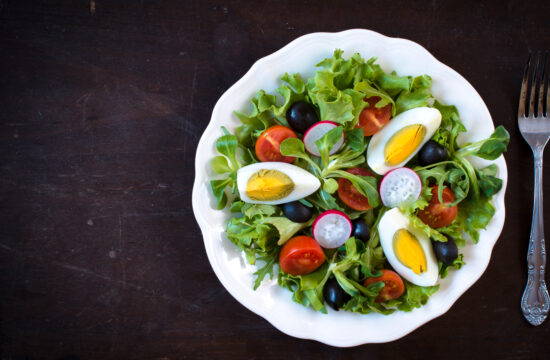
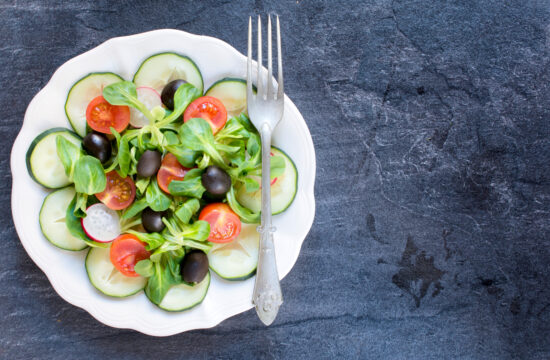
- Lunch: Grilled chicken salad with mixed greens, cherry tomatoes, cucumbers, and a vinaigrette dressing.
- Dinner: Baked salmon with quinoa and steamed broccoli.
- Snacks: A handful of almonds or a protein shake.
This plan not only provides ample protein but also includes healthy fats and complex carbohydrates, ensuring a balanced approach to dieting.
Common Mistakes to Avoid
When transitioning to a high-protein diet, it’s important to avoid common pitfalls that can derail your weight loss efforts. Some frequent mistakes include:
Support Your Weight Loss Goals
Huge Discount on the Best Certified Organic Nutrient Dense Supplement!
- Ignoring overall caloric intake: Even high-protein foods can contribute to weight gain if consumed in excess.
- Neglecting other nutrients: A diet overly focused on protein can lead to deficiencies in essential vitamins and minerals.
- Choosing processed protein sources: Opt for whole, unprocessed foods rather than protein bars or shakes that may contain added sugars and unhealthy ingredients.
Being mindful of these issues can help you stay on track and achieve your weight loss goals more effectively.
Further Reading
Authoritative Sources
- Whole Grains Council Grain Resources
wholegrainscouncil.orgPractical grain education covering whole grains, oats, milling context, and food-use guidance.
- USDA FoodData Central Grain Nutrition Data
fdc.nal.usda.govUSDA food composition data useful for oats, flour, meal, and grain-based nutrition references.
- USDA Agricultural Research Service
ars.usda.govAgricultural research resources related to grains, crops, processing, and food quality.
Frequently Asked Questions
What is a high-protein diet?
A high-protein diet emphasizes foods rich in protein, such as meats, dairy, legumes, and nuts, while often reducing carbohydrate intake.
Can I lose weight on a high-protein diet?
Yes, a high-protein diet can support weight loss by increasing satiety and preserving muscle mass during caloric restriction.
What are the best protein sources?
Some of the best protein sources include lean meats, fish, dairy products, legumes, and nuts.
How much protein do I need daily?
The recommended daily protein intake varies, but a general guideline is 0.8 grams per kilogram of body weight for sedentary adults.
Are there any side effects of high-protein diets?
Some individuals may experience digestive issues or increased cholesterol levels. It’s important to consult with a healthcare provider before making significant dietary changes.
Conclusion
In conclusion, adopting a high-protein diet can be an effective strategy for weight loss, provided it is balanced with other nutrients. Focus on incorporating a variety of protein-rich foods while being mindful of portion sizes and overall caloric intake. By avoiding common mistakes and prioritizing whole food sources, you can achieve your weight loss goals while supporting your overall health.
Support Your Weight Loss Goals
HUGE DISCOUNT ON THE BEST CERTIFIED ORGANIC NUTRIENT DENSE SUPPLEMENT!
Related Content
- The Science of Sustainable Fat Loss Strategies
- 10 Best Low Carb Breakfast Recipes (2025 Guide to Stay Lean and Energized)
- Impact of Sleep Quality on Weight Loss Progress: Key Mechanisms and Effective Strategies
- 10 Powerful Tips for Batch Cooking for Dieting in 2025: The Ultimate Guide
- How to Choose Supplements Wisely While Dieting