Need a Strong Nutrition Boost for Your Diet? Take a Look...
- 1. Choose Nutrition-Dense Foods
- 2. Practice Portion Control and Mindful Eating
- 3. Incorporate High-Protein and High-Fiber Foods
- 4. Stay Hydrated and Eat Water-Rich Foods
- 5. Plan Your Meals and Snacks
- 6. Avoid Fad Diets and Focus on Sustainable Habits
- 7. Include Regular Exercise and Active Lifestyle
1. Choose Nutrition-Dense Foods
Prioritize Whole, Unprocessed Foods
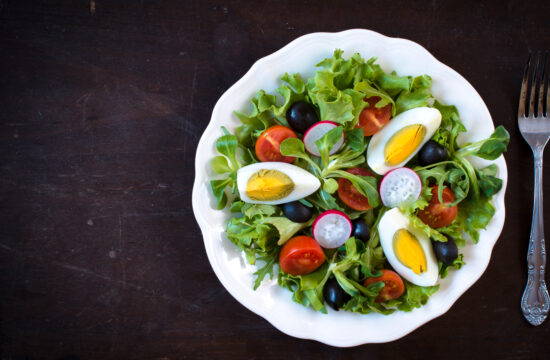
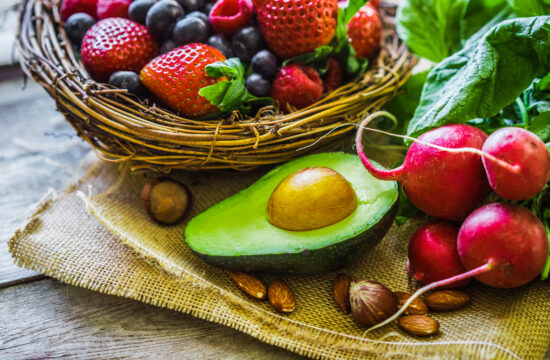
When aiming for a sustainable way to reach your health goals, understanding how to diet without starving hinges on choosing the right foods. Nutrition-dense foodsâlike vegetables, fruits, lean meats, nuts, and seedsâprovide a wealth of essential nutrients without excessive calories. These foods help you feel full longer and support overall health, reducing the temptation to binge on unhealthy options.
For example, filling half your plate with colorful vegetables can improve satiety and nutrient intake simultaneously. These foods are naturally low in calories but high in fiber, vitamins, and minerals, making them perfect allies in your 2025 dieting journey. By focusing on whole, unprocessed foods, you can enjoy satisfying meals that nourish your body without feeling deprived.
Benefits of Nutrient-Dense Choices
Eating nutrient-dense foods can lead to improved energy levels and better weight managementâkey components of learning how to diet without starving. Research shows that diets rich in vegetables, fruits, and whole grains can enhance feelings of fullness and reduce overall calorie consumption.
Moreover, these foods help stabilize blood sugar levels, preventing hunger spikes that often lead to overeating. An example is swapping refined carbs for complex ones like quinoa or sweet potatoes, which provide sustained energy and longer-lasting satiety. Incorporating these choices into your daily routine makes healthy eating both enjoyable and sustainable.
2. Practice Portion Control and Mindful Eating
Understanding Portion Sizes
One of the key strategies in how to diet without starving is mastering portion control. Many people unknowingly consume larger portions than necessary, which can lead to overeating and frustration. Learning to recognize appropriate serving sizesâlike using smaller plates or measuring portionsâhelps you maintain a calorie deficit without feeling deprived.
For instance, a typical serving of protein is about the size of a deck of cards, while vegetables should be about half your meal. By paying attention to portion sizes, you can enjoy your favorite foods in moderation, making your diet more manageable and less restrictive.
Benefits of Mindful Eating
Mindful eating involves paying full attention to the experience of eatingâ savoring each bite, noticing hunger and fullness cues, and avoiding distractions. This practice encourages better digestion and helps prevent overeating, which is crucial in learning how to diet without starving.
Research indicates that mindful eating can reduce calorie intake and foster a healthier relationship with food. To incorporate this, try eating slowly, chewing thoroughly, and stopping when you feel comfortably satisfied. Over time, these habits can support sustainable weight management and overall well-being.
3. Incorporate High-Protein and High-Fiber Foods
How Protein Keeps You Full
Protein is a superstar when it comes to learning how to diet without starving. It has a high satiety value, meaning it helps keep hunger at bay longer than carbs or fats. Including sources like eggs, lean meats, Greek yogurt, and legumes in your meals ensures sustained fullness.
For example, having a breakfast with eggs and vegetables can prevent mid-morning hunger, reducing the risk of overeating later in the day. Plus, protein supports muscle maintenance while you’re dieting, which is vital for healthy weight loss.
Role of Fiber in Satiety and Digestion
Fiber-rich foods, such as oats, beans, fruits, and vegetables, add volume to meals without many calories. They slow down digestion, prolong feelings of fullness, and promote healthy gut function. Including fiber in your diet helps prevent the hunger pangs that make dieting difficult.
Studies in 2025 confirm that high-fiber diets are associated with lower calorie intake and better weight control. Incorporate foods like chia seeds or whole grains to enhance your fiber intake and support your goal of learning how to diet without starving.
4. Stay Hydrated and Eat Water-Rich Foods
Hydration and Its Impact on Hunger
Sometimes, your body confuses thirst with hunger. Staying well-hydrated is essential in learning how to diet without starving because it can suppress appetite and improve digestion. Drinking plenty of water throughout the dayâand before mealsâcan help you eat less naturally.
Experts recommend drinking at least 8 cups of water daily, but individual needs vary based on activity and climate. Practical tips include carrying a reusable water bottle and setting reminders to hydrate regularly.
Eating Water-Rich Foods
Incorporate foods with high water content, such as cucumbers, watermelon, strawberries, and lettuce, to increase satiety without extra calories. These foods fill your stomach and contribute to hydration, reducing the desire to snack unnecessarily.
In 2025, many dieticians emphasize the importance of water-rich foods in meal planning. They offer a simple way to enhance fullness and support healthy weight loss while keeping your body well-hydrated.
5. Plan Your Meals and Snacks
Meal Prepping for Success
One of the most effective strategies in how to diet without starving is planning ahead. Meal prepping ensures you have healthy options available, reducing impulsive choices that often lead to overeating. It also helps control portion sizes and balance nutrients.
Good HealthY DIETING Solution is Easier Than Most People Think!
Take a Look for Yourself!
Spend some time each week preparing balanced meals that include protein, fiber, healthy fats, and vegetables. Use portion containers or meal kits to stay consistent. Planning boundaries like this minimize hunger-driven mistakes and support your goals.
Healthy Snacking Tips
Healthy snacks like nuts, fruit, yogurt, or veggie sticks can help maintain energy levels and prevent hunger between meals. Remember to keep snacks in moderation and opt for options rich in nutrients rather than empty calories.
This proactive approach to meal planning makes learning how to diet without starving both realistic and sustainable for the long run, especially with the busy schedules of 2025.
6. Avoid Fad Diets and Focus on Sustainable Habits
The Truth About Fad Diets
Many trending diets promise quick results but often leave dieters feeling deprived and hungry. Learning how to diet without starving requires adopting habits that you can maintain permanently. Fad diets might lead to short-term weight loss but usually arenât sustainable.
Instead, focus on balanced eating patterns that fit your lifestyle, preferences, and nutritional needs. Emphasize consistency rather than extreme restrictions, helping you build healthy habits that last well into 2025.
Building Sustainable Eating Habits
Developing sustainable habits involves small, manageable changes like cooking more meals at home, reducing processed foods, and mindful eating. These practices not only help you learn how to diet without starving but also improve your overall quality of life.
Over time, these habits become second nature, making healthy choices easier and less stressfulâkey for maintaining a healthy weight and good health in 2025 and beyond.
7. Include Regular Exercise and Active Lifestyle
Exercise and Appetite Regulation
Physical activity plays a crucial role in supporting your diet and overall health. Regular exercise not only burns calories but also helps regulate hunger hormones, making it easier to manage how to diet without starving.
Activities like walking, cycling, or strength training can boost your metabolism and improve mood, making dietary adherence more enjoyable. Try to include at least 150 minutes of moderate exercise weekly for optimal results in 2025.
Staying Active Throughout the Day
Beyond structured workouts, staying active in daily lifeâlike taking the stairs, stretching, or short walksâcontributes significantly to calorie expenditure. Small lifestyle changes can add up, promoting better weight control without feeling like a chore.
These habits support your efforts to learn how to diet without starving, making a lifestyle change more sustainable and effective long-term.
Frequently Asked Questions
Q1: What is the best way to learn how to diet without starving in 2025?
The most effective way involves focusing on nutrient-dense foods, practicing portion control, incorporating high-protein and fiber foods, and developing sustainable habits that fit your lifestyle.
Q2: How can I feel full while reducing calorie intake?
Eat high-protein and high-fiber foods, stay well-hydrated, and include water-rich fruits and vegetables. These strategies help you feel satisfied without overeating.
Q3: Is intermittent fasting a good option to avoid starving while dieting?
Intermittent fasting can be effective for some, but itâs not suitable for everyone. The key is to find a balanced approach that allows for adequate nutrition and prevents hunger pangsâalways consult with a healthcare provider before starting new methods.
Q4: How can staying active help in learning how to diet without starving?
Regular exercise helps regulate appetite, boosts metabolism, and improves mood, making it easier to stick to healthy eating plans without feeling deprived.
Conclusion
Learning how to diet without starving in 2025 involves making smart, sustainable choices that nourish your body and satisfy your hunger. By incorporating nutrient-dense foods, practicing portion control, staying hydrated, and maintaining an active lifestyle, you can achieve your health goals while enjoying your meals. Remember, the secret is not deprivation but balance and consistency. With these strategies, you’ll build a healthy relationship with food that lasts for years to come.