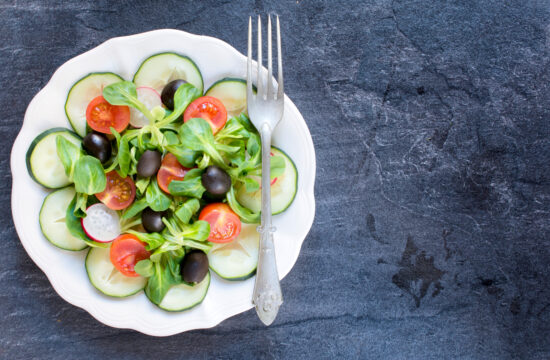
Creating a diet that works for you involves a clear understanding of your goals and the nutritional needs that support them. Start by defining what success looks like for you, whether it’s weight loss, improved energy, or better overall health. From there, select foods that align with these goals, ensuring they provide the necessary nutrients while remaining enjoyable to eat.
Many people overlook the significance of personalized nutrition, leading to frustration when generic diets fail to deliver results. It’s essential to recognize that what works for one person may not work for another, so tailoring your diet to fit your unique lifestyle and preferences is critical. This might mean experimenting with different foods, meal timings, or even dietary patterns to find what feels best for your body.
Understanding Macronutrients
Macronutrients include carbohydrates, proteins, and fats, which are essential for your dietary success. Each plays a unique role in your body’s functioning, and understanding their balance is key to creating a diet that works. For instance, carbohydrates provide energy, proteins are crucial for muscle repair, and fats are essential for hormone production and nutrient absorption.
Prioritize a balanced intake of these macronutrients by incorporating a variety of food sources. For example, whole grains, lean meats, and healthy fats like avocados should be staples in your diet. This balance not only supports energy levels but also helps maintain a healthy metabolism, making it easier to stick to your dietary goals.
Choosing Whole Foods
Whole foods are minimally processed and retain their natural nutrients, making them a cornerstone of an effective diet. Foods such as fruits, vegetables, whole grains, and lean proteins should dominate your plate. These foods are rich in vitamins, minerals, and fiber, which can help keep you full and satisfied.
When selecting foods, aim for variety to ensure you receive a broad spectrum of nutrients. For example, rather than sticking to just one type of vegetable, rotate between leafy greens, cruciferous vegetables, and colorful options like bell peppers and tomatoes. This approach not only enhances nutrient intake but also keeps meals interesting and enjoyable.
Establishing Portion Control
Portion control is vital for managing calorie intake and preventing overeating. Even healthy foods can contribute to weight gain if consumed in excessive amounts. To establish portion control, consider using smaller plates or bowls and measuring serving sizes until you develop a better sense of appropriate portions.
Additionally, be mindful of hunger cues and eat slowly to allow your body time to signal when it’s full. This practice can lead to more satisfying meals and help you avoid unnecessary snacking or overeating during meals.
Support Your Weight Loss Goals
Huge Discount on the Best Certified Organic Nutrient Dense Supplement!
Creating a Sustainable Meal Plan
A sustainable meal plan is one that you can adhere to in the long term. Start by outlining a weekly menu that incorporates a balance of macronutrients and includes a variety of whole foods. This not only helps in meal prep but also reduces the temptation to resort to unhealthy options when you’re busy or tired.
Consider preparing meals in advance and keeping healthy snacks on hand to make it easier to stick to your plan. Flexibility is also essential; don’t hesitate to adjust your meal plan based on your preferences or seasonal food availability. This adaptability can help maintain motivation and prevent feelings of deprivation.
Further Reading
Authoritative Sources
- NIH Office of Dietary Supplements
ods.od.nih.govEvidence-based information on vitamins, minerals, supplements, and nutrition-related questions.
- USDA FoodData Central
fdc.nal.usda.govUSDA nutrient data for foods and ingredients used in nutrition decisions.
- Harvard T.H. Chan School of Public Health Nutrition Source
hsph.harvard.eduPublic health nutrition guidance and educational resources.
Frequently Asked Questions
What is the first step in creating a diet that works?
The first step is to set clear, achievable goals based on your personal health objectives and lifestyle.
How important are macronutrients in a diet?
Macronutrients are crucial as they provide the energy and building blocks your body needs to function effectively.
Can I still enjoy my favorite foods while dieting?
Yes, a successful diet allows for moderation, making it possible to enjoy your favorite foods without compromising your goals.
What role does hydration play in dieting?
Staying hydrated is essential for overall health and can aid in appetite control and digestion.
How can I stay motivated on my diet?
Keeping a food diary, setting small goals, and celebrating achievements can help maintain motivation throughout your dieting journey.
Conclusion
Creating a diet that works involves understanding your personal goals, selecting the right foods, and maintaining a balanced approach to nutrition. By focusing on whole foods, practicing portion control, and establishing a sustainable meal plan, you can effectively support your dietary objectives. Remember to remain adaptable and listen to your body’s needs, as this will enhance your chances of long-term success in your dieting journey.
Support Your Weight Loss Goals
HUGE DISCOUNT ON THE BEST CERTIFIED ORGANIC NUTRIENT DENSE SUPPLEMENT!
Related Content
- The Basics Of The Low Carbohydrate Diet Plan And How To Win With It
- Develop Your Ideal Body With These Weight Loss Strategies
- How to Stick to Your Diet Plan Without Feeling Deprived or Overwhelmed
- 10 Effective Strategies for Weight Loss with Walking in 2025
- Top Tips To Lose Weight Quickly And Painlessly