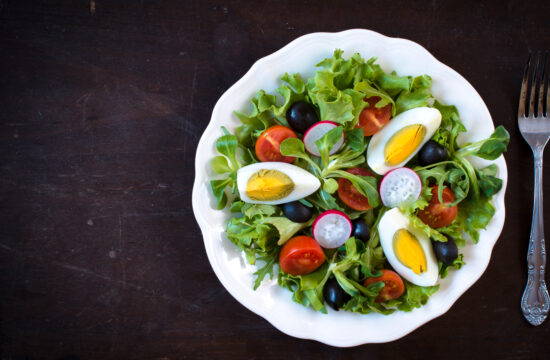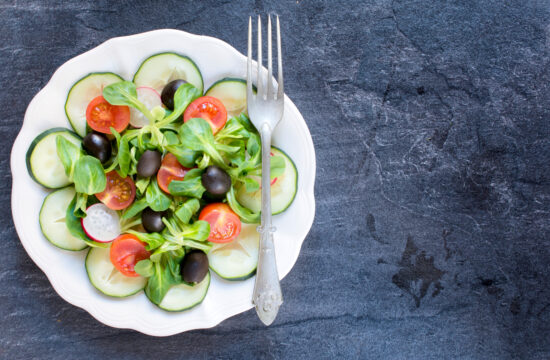
Incorporating the right foods and habits is essential for effective dieting. Key foods, such as fruits, vegetables, whole grains, and lean proteins, provide the nutrients necessary to fuel your body while helping to manage hunger. Additionally, establishing regular eating habits can prevent impulsive food choices that often lead to weight gain.
Many dieters struggle with maintaining consistency, which can derail their progress. A common pitfall is relying heavily on processed foods or skipping meals, both of which can lead to cravings and overeating later. Prioritizing whole, unprocessed foods, and adhering to a structured meal schedule can create a more sustainable approach to dieting.
Understanding Nutrient-Dense Foods
Nutrient-dense foods are those that provide a high amount of vitamins and minerals relative to their calorie content. Incorporating these foods into your diet can lead to improved health and weight management. Examples include leafy greens, berries, nuts, and legumes, which not only offer essential nutrients but also help keep you full.
Many people overlook the importance of these foods, often opting for calorie-dense options that lack nutritional value. By focusing on nutrient-rich choices, you can reduce overall calorie intake while still meeting your body’s nutritional needs. This approach supports healthy weight loss and long-term success in dieting.
Establishing Consistent Eating Habits
Creating a regular eating schedule helps regulate hunger and prevents impulsive snacking. Aim to eat at similar times each day, which can help your body adapt and signal when to expect food. This consistency can lead to improved digestion and better management of blood sugar levels.
However, some dieters may find it challenging to stick to a routine due to busy schedules. Meal prepping can be an effective solution, allowing you to prepare healthy meals in advance and reduce the temptation to opt for unhealthy, quick options. Prioritize planning your meals to maintain your progress.
Common Mistakes to Avoid
One frequent mistake dieters make is falling for fad diets that promise quick results. These diets often eliminate entire food groups or severely restrict calories, which can lead to nutrient deficiencies and rebound weight gain. A balanced approach that includes a variety of foods is crucial for sustainable results.
Another common error is neglecting hydration. Drinking enough water is vital for overall health and can aid in weight loss by promoting feelings of fullness. Ensure you’re drinking adequate water throughout the day, as thirst can often be mistaken for hunger.
The Importance of Meal Planning
Meal planning is a powerful tool for successful dieting. By planning your meals ahead of time, you can make healthier choices and avoid last-minute temptations. This practice allows you to incorporate a variety of foods and ensures you meet your nutritional goals.
Support Your Weight Loss Goals
Huge Discount on the Best Certified Organic Nutrient Dense Supplement!
Additionally, meal planning can save time and reduce stress during the week. Set aside time each week to plan your meals and create a shopping list based on your choices. This proactive approach can make sticking to your diet much easier.
While this article provides foundational tips for improving dieting results, further exploration into reputable nutrition sources can enhance your knowledge. Consider visiting resources offered by registered dietitians or nutritionists for more tailored advice.
Further Reading
Authoritative Sources
- Library of Congress Research Guides
guides.loc.govResearch guides that help readers locate reliable background sources on a wide range of subjects.
- USA.gov Official Information and Services
usa.govOfficial U.S. government information and public resources for practical reference.
- Google Scholar
scholar.google.comAcademic search resource for finding research literature and source material.
Frequently Asked Questions
What are the best foods to include in a diet?
Focus on whole foods such as fruits, vegetables, lean proteins, and whole grains for optimal nutrition.
How often should I eat while dieting?
Establishing a consistent eating schedule with 3 main meals and healthy snacks can help manage hunger and cravings.
What mistakes should I avoid when dieting?
Avoid fad diets, skipping meals, and neglecting hydration, as these can hinder weight loss efforts.
How can meal planning help me?
Meal planning allows for healthier choices, reduces stress, and ensures you meet your nutritional needs throughout the week.
Why is hydration important for dieting?
Proper hydration can promote fullness and support metabolism, making it easier to manage your weight.
Conclusion
To improve your dieting results, focus on incorporating nutrient-dense foods and establishing consistent eating habits. Avoid common pitfalls such as fad diets and neglecting hydration. Prioritize meal planning to make healthier choices easier and more convenient. By following these strategies, you can create a sustainable diet that leads to lasting success.
Support Your Weight Loss Goals
HUGE DISCOUNT ON THE BEST CERTIFIED ORGANIC NUTRIENT DENSE SUPPLEMENT!
Related Content
- 10 Effective Low Calorie Breakfast Tips (2025 Guide) to Jumpstart Your Day
- 10 Effective diet tips for better energy in 2025: The Ultimate Guide
- How to Use Spices to Enhance Your Diet and Health
- Best Dieting Habits for Maintaining Weight Loss Long Term: Effective Strategies and Common Pitfalls
- The Role of Sleep in Weight Management