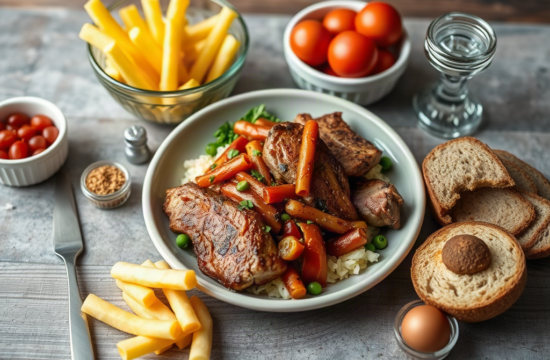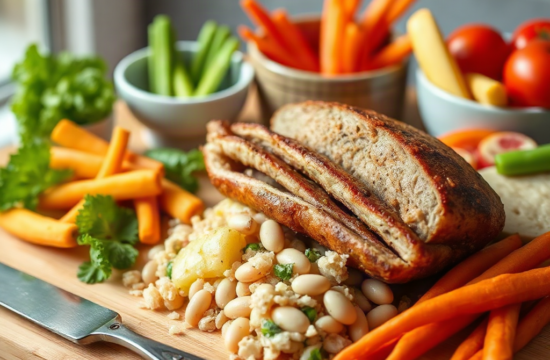
Calorie deficit diet plans can preserve energy and fullness when the deficit remains moderate and meals combine adequate protein, fiber-rich carbohydrates, high-volume produce, and some dietary fat. Distributing protein across meals, choosing minimally processed foods, and placing carbohydrates around demanding work or exercise can reduce hunger and sluggishness. Portions still matter: nutritious foods can erase a deficit when oils, dressings, nuts, and restaurant servings go uncounted. Persistent fatigue, worsening workouts, intense food preoccupation, or uncontrolled evening hunger suggests that calorie intake, meal composition, or both need adjustment rather than greater restriction.
Choose a Deficit That Does Not Drain the Day
A workable calorie target leaves enough food for ordinary movement, concentration, exercise, and recovery. Cutting intake as low as possible may produce a larger calculated deficit, but the arithmetic becomes less useful if exhaustion reduces daily activity, workouts deteriorate, or hunger repeatedly leads to unplanned eating. A smaller target that can be followed consistently often creates a more reliable real-world deficit than an aggressive target interrupted by high-calorie rebound days.
Calorie needs vary with body size, age, activity, occupation, and other individual factors. Rather than assuming a fixed intake is appropriate, begin with an estimate from a reputable calculator or a short record of current intake and body-weight trends. Treat the result as a starting point, not a precise measurement. Food labels, restaurant portions, wearable calorie estimates, and home tracking all contain uncertainty. Trends over several weeks provide more useful feedback than one day of perfect-looking numbers.
Consider two people who both reduce their usual intake. One removes a modest amount by replacing a large sweetened coffee, trimming cooking oil, and adjusting a snack. The other skips breakfast and lunch, then arrives home ravenous. Their planned deficits might look similar on paper, but the second pattern creates a much higher risk of low afternoon energy and uncontrolled evening portions. Meal frequency itself is not universally right or wrong; the better pattern is the one that keeps appetite manageable during the reader’s most demanding hours.
A practical opening target should allow complete meals rather than forcing every eating occasion to feel miniature. Preserve protein-rich foods, vegetables, fruit, and useful carbohydrate portions before cutting less filling extras. Liquid calories, frequent alcohol, oversized condiments, and habitual grazing are often easier places to reduce energy than lean protein or a pre-workout serving of oats, potatoes, rice, or fruit.
Review calorie deficit diet plans that preserve energy and fullness through the lens of adherence, not simply the lowest daily number. A plan is moving in the right direction when hunger is present but tolerable, routine tasks remain manageable, and the intended intake can be repeated most days. Constant chills, dizziness, persistent weakness, or rapid unexplained changes deserve medical attention rather than another calorie cut.
Build Meals Around Protein, Fiber, and Volume
Meal composition determines how much satisfaction a calorie allowance can provide. Protein tends to be more filling than an equal-calorie serving dominated by refined carbohydrate or fat, while fiber and water add physical volume and slow the pace of eating. Dietary fat contributes flavor and staying power, but it is energy-dense, so measured portions usually work better than unrestricted pouring or handfuls.
A useful plate starts with a clear protein source: eggs, Greek yogurt, cottage cheese, fish, chicken, tofu, tempeh, beans, lentils, or lean meat. Add vegetables or fruit for volume and fiber, then include a portion of whole grains, potatoes, corn, or another carbohydrate that fits the day’s demands. A modest amount of avocado, nuts, seeds, cheese, dressing, or cooking oil can make the meal satisfying without allowing calorie-dense additions to dominate it.
For example, a bowl containing chicken or tofu, brown rice, black beans, salsa, lettuce, and roasted peppers offers protein, fiber, fluid-rich produce, and carbohydrate. A bowl built mainly from rice, cheese, sour cream, and a generous oil-based dressing may contain far more energy while delivering less protein and less volume. Both can fit a plan, but the first leaves more room for a substantial serving and may control hunger longer.
Use this compact meal check before deciding that a calorie target is too restrictive:
- Protein: Is there a visible, meaningful source rather than a token garnish?
- Produce: Does fruit or a non-starchy vegetable add volume and fiber?
- Carbohydrate: Is the portion matched to activity instead of removed automatically?
- Fat: Is it included deliberately and portioned rather than poured freely?
- Texture and flavor: Will the meal feel like a meal rather than a collection of diet substitutes?
Whole foods are not automatically low in calories, and processed foods are not automatically unusable. Frozen vegetables, canned beans, tuna, plain instant oats, and pre-cooked grains can make a plan easier to execute. Conversely, nut butter, granola, dried fruit, and trail mix are nutritious but compact; small serving errors can meaningfully change intake. The strongest approach combines minimally processed staples with convenient items whose portions are easy to understand.
People with kidney disease, digestive disorders, diabetes treated with glucose-lowering medication, food allergies, or other clinical nutrition needs may require different protein, fiber, carbohydrate, or meal-timing choices. A calorie deficit is not a treatment plan, and individualized advice from a qualified healthcare professional may be appropriate.
Place Calories Where They Protect Energy Best
Calorie timing should follow the periods when hunger and performance are hardest to manage. Saving nearly all food for dinner works for some people, but it often fails when mornings involve physical labor, long commutes, training, or sustained concentration. Others feel little morning hunger and prefer a later first meal. The useful question is not whether breakfast is mandatory; it is whether the chosen schedule supports the person’s work, exercise, sleep, and appetite pattern.
Someone who trains after work might reserve a carbohydrate-and-protein snack for late afternoon, such as yogurt with fruit or toast with turkey. That small allocation may improve training quality and prevent arriving at dinner intensely hungry. A morning exerciser could instead eat oats with milk and berries before or after training, then use a lighter afternoon snack. Moving calories within the day does not create a deficit by itself, but it can make the planned total easier to maintain.
Carbohydrates deserve particular attention because severe restriction can be mistaken for effective dieting when the immediate result is lower scale weight and depleted energy. Whole grains, beans, potatoes, fruit, and dairy foods supply carbohydrate along with varying amounts of fiber, protein, and micronutrients. Portions may need adjustment, but automatic elimination is unnecessary unless a medical condition or personal tolerance warrants it. Low-carbohydrate plans can suit some preferences, yet they are not the only route to fat loss and may be harder to sustain for people doing frequent high-intensity activity.
Plan the day by anchoring the hardest period first. If evening hunger causes repeated grazing, allocate a larger dinner and a defined evening snack rather than spending most calories early. If afternoon fatigue triggers vending-machine purchases, strengthen lunch with more protein and fiber or add a planned snack. Options such as an apple with measured peanut butter, edamame, cottage cheese with berries, or vegetables with hummus combine more than one satiety feature.
Hydration and sleep also affect how a diet feels, although neither substitutes for adequate food. Thirst may be confused with appetite, and short sleep can make highly palatable foods harder to resist. Drinking regularly and protecting sleep are useful supporting actions, but persistent low energy should not be dismissed as a water problem when the calorie target is clearly too low.
When comparing calorie deficit diet plans that preserve energy and fullness, prefer schedules that survive weekends, work shifts, and social meals. A plan requiring perfect timing or separate food at every gathering creates unnecessary friction. Flexible calorie placement, repeatable breakfasts or lunches, and room for occasional restaurant meals are more practical than a rigid timetable.
Support Your Weight Loss Goals Huge Discount on the Best Certified Organic Nutrient Dense Supplement!
Adjust the Plan Using Hunger and Performance Signals
A calorie plan should be managed as an experiment with observable feedback. Daily body weight can fluctuate because of fluid, sodium, carbohydrate storage, digestion, and the menstrual cycle, so a single reading cannot show whether the deficit is appropriate. Compare trends under reasonably consistent conditions, while also monitoring appetite, mood, sleep, training, and the ability to complete ordinary responsibilities.
Useful signs include a gradual downward trend over time, manageable hunger before meals, stable concentration, and workouts that remain reasonably close to baseline. A plateau lasting only a few days is not evidence that the plan has failed. When the trend remains unchanged for several weeks, first check execution: larger weekend portions, cooking oils, beverages, bites while preparing food, and restaurant estimates commonly explain the gap between planned and actual intake.
Do not respond automatically by removing another full meal. Make one small, traceable adjustment, then allow enough time to observe it. That could mean measuring oil for a week, reducing a calorie-dense topping, replacing one snack with fruit and yogurt, or adding a regular walk if recovery and schedule permit. Changing several variables at once makes it difficult to identify what worked and can turn a modest deficit into excessive restriction.
Signs of failure are broader than a stalled scale. Repeated binges, waking hungry at night, declining exercise performance, irritability, persistent fatigue, obsessive food thoughts, and avoidance of social occasions all suggest that the plan’s cost is rising. The response may be a smaller deficit, larger meals with better composition, a maintenance period, or professional support. People with a current or past eating disorder should approach intentional calorie restriction cautiously and seek qualified guidance.
Accuracy should match the situation. Beginners may benefit from temporarily weighing calorie-dense ingredients to learn portions, while experienced readers may use repeatable meals and visual estimates. Tracking every leaf of lettuce adds little value if oils and snacks remain unmeasured. Conversely, rigid logging can become counterproductive for someone prone to anxiety around food. The best monitoring method supplies enough information to make decisions without dominating the day.
A weekly review keeps attention on the variables that matter: weight trend, average intake, hunger pattern, energy during demanding hours, training quality, and unplanned eating. If the trend is appropriate and daily function remains sound, avoid making the plan stricter merely to accelerate results. If function is deteriorating, treat that information as a reason to revise the plan, not as proof that more discipline is required.
Frequently Asked Questions
How large should a calorie deficit be to avoid low energy?
Use a moderate starting reduction that still permits complete meals and normal daily function. Because calorie needs differ, adjust it from multiweek trends, hunger, activity, and recovery rather than choosing the lowest possible intake.
Which foods are most filling for relatively few calories?
Lean proteins, beans, lentils, vegetables, whole fruit, potatoes, broth-based soups, and plain low-fat dairy often provide useful protein, fiber, water, or volume. Preparation and toppings can substantially alter their calorie content.
Should carbohydrates be reduced to maintain a calorie deficit?
Not necessarily. Portioning fruit, oats, beans, rice, whole grains, or potatoes may preserve energy, especially around exercise. Reducing refined snacks or oversized servings is often more practical than eliminating carbohydrates.
Why am I hungry at night while dieting?
Common causes include undersized daytime meals, too little protein or fiber, long gaps between meals, and saving no calories for the evening. Reallocate food toward dinner or add a planned protein-and-fiber snack.
When should I increase calories?
Consider an adjustment when fatigue, sleep disruption, declining workouts, intense hunger, or repeated overeating persists. Dizziness, weakness, concerning symptoms, or special medical needs warrant advice from a qualified healthcare professional.
Conclusion
An effective deficit should be judged by more than its calculated size. Begin with an intake that leaves room for substantial meals, then protect protein, fiber-rich produce, useful carbohydrates, and measured amounts of fat. Place more of the calorie allowance near demanding work, exercise, or the time of day when appetite is hardest to control.
Track trends long enough to separate normal fluctuations from a genuine stall, and change one variable at a time. If hunger repeatedly overrides the plan or daily performance declines, reassess the target before cutting further. The next practical step is to review several typical days, identify where low-satiety calories enter, and rebuild one recurring meal so it contains a clear protein source, high-volume produce, and a carbohydrate portion suited to activity.
Support Your Weight Loss Goals
HUGE DISCOUNT ON THE BEST CERTIFIED ORGANIC NUTRIENT DENSE SUPPLEMENT!
Related Content
- How to Effectively Cut Calories Without Starving
- The Ultimate Guide to How to Build a Sustainable Diet in 2025: 10 Effective Tips
- The Best Keto Diet Desserts to Satisfy Your Sweet Tooth
- Why Meal Prep Fails for Some People: Common Mistakes and Realistic Solutions
- How to Create a Diet Plan That Reduces Inflammation