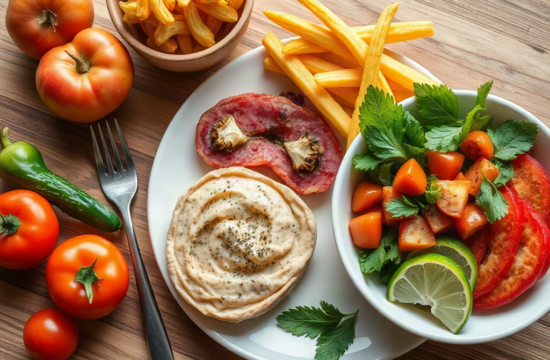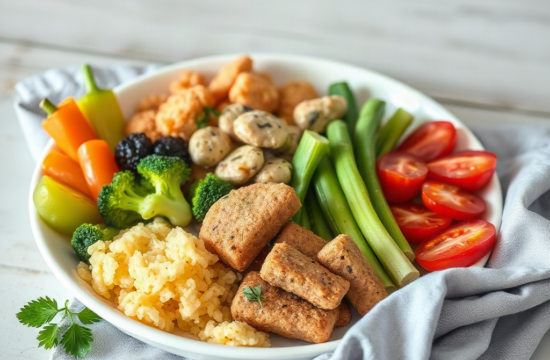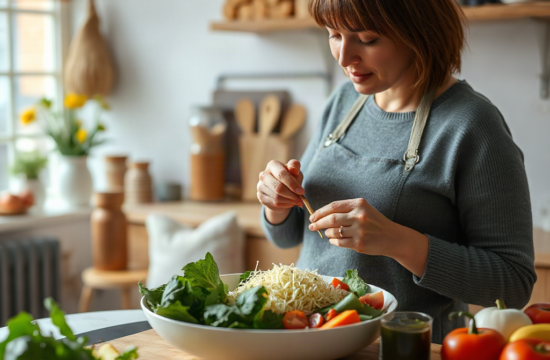
Volume eating for weight loss and lasting fullness works by building meals around water-rich vegetables, whole fruit, broth-based dishes, lean protein, and fiber-rich carbohydrates so a larger portion provides fewer calories than an energy-dense alternative. Protein and fiber slow digestion, while food volume stretches the stomach and contributes to short-term satiety. A practical plate combines a substantial produce portion with a clear protein source, a measured starch, and enough fat for flavor. The method becomes less effective when oversized portions of oil, cheese, dressings, nuts, or snack foods quietly raise calorie intake. It should create comfortable satisfaction, not pressure to eat enormous quantities.
How Food Volume Influences Fullness
Food volume affects how physically substantial a meal feels, but volume alone does not determine how long satisfaction lasts. Foods containing plenty of water and fiber occupy more space for a given number of calories. Eating and digesting that larger portion contributes to stomach distension and sends fullness signals during a meal. Vegetables, whole fruit, cooked whole grains, beans, and broth-based soups can therefore make a calorie-conscious plate look and feel less restrictive.
Energy density explains the central tradeoff. A cup of non-starchy vegetables generally provides much less energy than the same volume of fried food, pastries, cheese, or nuts because water adds weight and bulk without adding calories. Fat contains substantial energy in a small amount, so seemingly modest additions of oil, creamy sauce, or nut butter can change the calorie content of an otherwise low-density dish. Those foods do not need to be banned; they need portions that match their concentrated nature.
Lasting fullness requires more than a mountain of lettuce. Protein tends to be more satiating than an equal-calorie serving dominated by refined carbohydrate, while fiber can slow digestion and make food more substantial. A bowl containing mixed greens, cucumber, and tomatoes may be large yet leave someone hungry soon afterward if it lacks protein and adequate energy. Adding chicken, tuna, tofu, lentils, eggs, or Greek yogurt and a controlled amount of dressing creates a more complete meal.
Texture and eating speed matter as well. Whole apples usually require more chewing and take longer to consume than apple juice, despite coming from the same fruit. Blended or liquid calories can be easy to consume quickly and may not produce the same subjective satisfaction as intact food. Soup is a useful exception when it contains visible vegetables, beans, or protein and is eaten as a meal rather than sipped as a beverage.
The practical goal is comfortable satiety from a nutritionally complete plate, not maximum stomach filling. If meals create bloating, urgency, or an unpleasant stuffed feeling, reduce the raw produce volume, use more cooked vegetables, and increase fiber gradually. The most useful version of Volume eating for weight loss and lasting fullness balances physical bulk with protein, palatability, and digestive tolerance.
Choose Foods That Add Volume Without Excess Calories
High-volume ingredients work best when they replace part of an energy-dense food rather than merely being added to an unchanged meal. Stirring mushrooms, spinach, peppers, and zucchini into an omelet expands the serving without requiring several extra eggs or a large amount of cheese. Mixing cauliflower into a potato dish can create a larger portion, but replacing every potato is unnecessary if potatoes fit the person’s calorie needs and provide greater satisfaction.
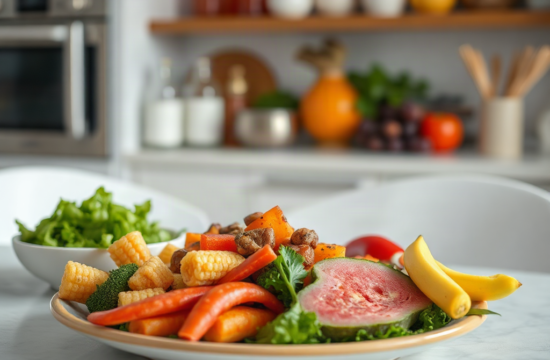
Non-starchy vegetables offer the easiest starting point. Leafy greens, cabbage, broccoli, cauliflower, tomatoes, cucumbers, green beans, mushrooms, peppers, and zucchini contain substantial water and contribute fiber and micronutrients. Frozen vegetables are often practical and economical because they reduce washing, chopping, and spoilage. Roasting improves flavor, although oil should be measured rather than poured freely. Steaming, microwaving, grilling, and air-frying with a light coating of oil are other workable methods.
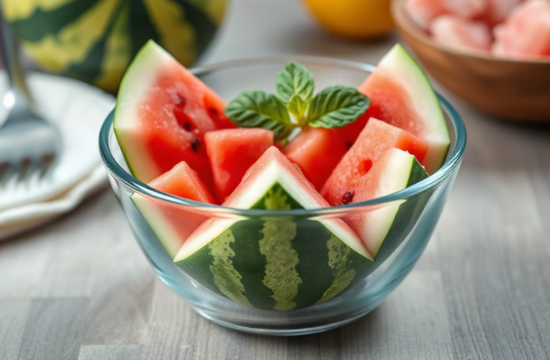
Whole fruit can satisfy a preference for sweetness while providing water, fiber, and chewing time. Berries, oranges, melon, peaches, pears, and apples are easy examples. Dried fruit is much more concentrated because much of its water has been removed, and juice delivers fruit carbohydrate with little intact fiber. A small amount of dried fruit can still garnish oatmeal or yogurt, but it does not create the same plate volume as fresh fruit.
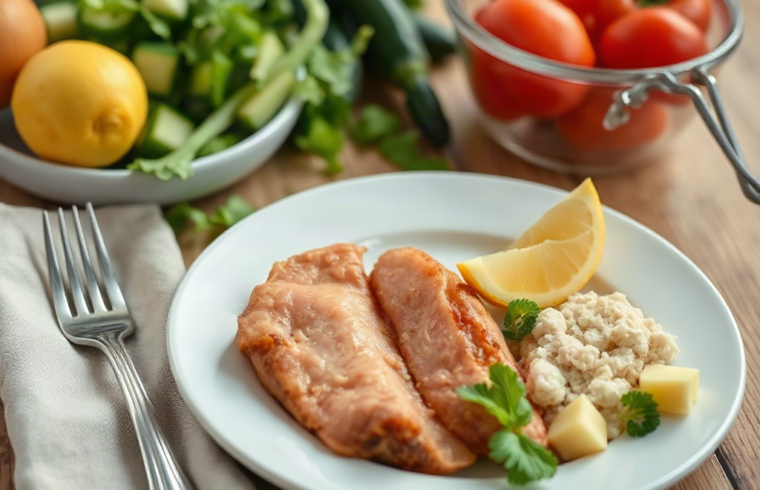
Protein deserves a defined place at meals rather than being treated as a minor topping. Fish, poultry, eggs, cottage cheese, plain Greek yogurt, tofu, tempeh, beans, and lentils can help a large meal remain satisfying beyond the first hour. Beans and lentils provide both protein and fiber, although portions may need gradual adjustment for people unaccustomed to them. Processed protein products can be convenient, but breading, added fats, and sauces may substantially increase energy density.
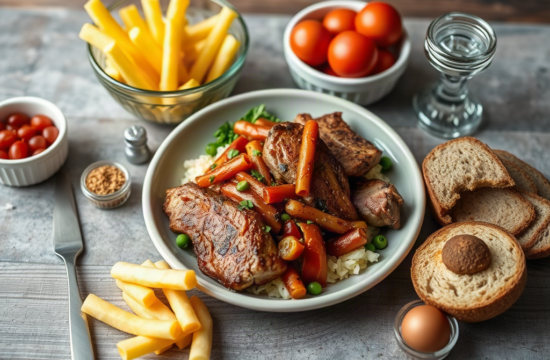
Fiber-rich starches such as oats, potatoes, brown rice, barley, corn, and whole-grain pasta can also belong on the plate. Cooked grains absorb water, while potatoes are far less energy-dense when boiled or baked than when fried. The preparation method often matters more than the food label. A baked potato topped with beans and salsa differs considerably from fries served with a creamy dip.
Use flavor deliberately so the approach remains livable. Vinegar, citrus, mustard, herbs, spices, salsa, and broth add intensity with relatively little energy. Measured amounts of olive oil, avocado, nuts, seeds, cheese, and rich dressing can provide pleasure and dietary fat. Removing all concentrated foods may produce an impressively large but unsatisfying plate, encouraging grazing later.
Build a Filling Plate in Four Practical Steps
A repeatable plate method is more useful than trying to identify a perfect list of low-calorie foods. Begin with the meal you already eat, identify its most energy-dense elements, and adjust the proportions without stripping away its identity. Pasta can remain pasta, for example, while vegetables and protein occupy more of the bowl and the sauce is portioned rather than unlimited.
- Set the produce base. Fill roughly half the plate or bowl with cooked or raw vegetables, choosing an amount your digestion tolerates.
- Add an obvious protein source. Use fish, poultry, eggs, dairy, tofu, tempeh, beans, or lentils rather than assuming vegetables alone will sustain fullness.
- Include a purposeful carbohydrate. Add potatoes, grains, corn, beans, fruit, or bread according to activity, preferences, and calorie needs.
- Measure concentrated extras. Portion oil, dressing, cheese, nuts, seeds, and creamy condiments instead of eliminating them or pouring by eye.
Consider a taco bowl. A high-energy version may be dominated by rice, cheese, sour cream, and chips. A volume-oriented version could use shredded lettuce, tomatoes, peppers, salsa, black beans, lean meat or tofu, a moderate rice serving, and a smaller amount of cheese or avocado. The second bowl is not automatically low in calories, but its proportions make a larger serving possible while preserving protein, carbohydrate, and flavor.
Breakfast follows the same logic. Oatmeal cooked with extra water can be combined with berries and Greek yogurt, then finished with a measured spoonful of nuts. The oats and berries add water and fiber, yogurt supplies protein, and nuts provide richness. By comparison, enlarging the bowl only with more dry oats, granola, and nut butter raises calories quickly without creating as much additional volume.
For sandwiches, keep the bread and expand the filling with tomatoes, cucumber, lettuce, roasted peppers, or a vegetable-rich side soup. Pair the vegetables with turkey, tuna, egg, hummus, or another protein. A giant salad is not mandatory; the method can be adapted to warm bowls, stews, sheet-pan dinners, and portable lunches. Readers developing a routine around Volume eating for weight loss and lasting fullness should favor formats they would willingly repeat.
Support Your Weight Loss Goals Huge Discount on the Best Certified Organic Nutrient Dense Supplement!
Check the result two to four hours after eating. A useful meal leaves you comfortably satisfied and able to reach the next planned meal without persistent food thoughts or urgent snacking. If hunger returns quickly, first review protein, total energy, and carbohydrate rather than adding still more lettuce. If the meal feels heavy or causes bloating, reduce sheer volume and substitute cooked produce for some raw vegetables.
Correct the Mistakes That Undermine Volume Eating
The most common failure is confusing low-calorie food with a complete meal. Large servings of vegetables may handle immediate stomach fullness while providing too little protein, fat, or total energy for sustained satisfaction. Repeatedly eating inadequate meals can lead to evening hunger, grazing, or a sense that appetite is uncontrollable. The correction is not necessarily more willpower or more vegetables; it is often a better-balanced plate.
Hidden calorie concentration is another practical problem. Oil used for roasting, dressing added to salads, cheese scattered over casseroles, and nuts eaten while cooking can collectively outweigh the calorie savings from vegetables. Measuring these ingredients for a short period can recalibrate portions without requiring permanent tracking. Sauces can also be served on the side, allowing enough for flavor without saturating the meal.
Do not assume every food must be replaced with a low-calorie substitute. Zucchini noodles may work well under a rich meat sauce, but someone who strongly prefers pasta might be more satisfied with a mixed bowl containing both pasta and zucchini. A satisfying moderate portion is often easier to sustain than an enormous imitation meal followed by searching for the missing food. The same principle applies to cauliflower rice, low-calorie bread, and sugar-free desserts.
Rapid fiber increases can cause gas, cramping, or changes in bowel habits. Increase beans, bran, and large raw salads gradually, drink according to thirst and personal medical guidance, and rotate cooked vegetables into the week. People with digestive disorders, swallowing difficulties, kidney disease, fluid restrictions, or medically prescribed diets may need individualized advice because common high-volume foods may conflict with symptom management or nutrient limits.
Monitor patterns rather than judging the approach from one meal. Useful signs include steadier hunger between meals, easier portion control, adequate energy, enjoyable food, and gradual progress consistent with the person’s goals. Warning signs include chronic preoccupation with food, fatigue, repeated overeating after very light meals, gastrointestinal distress, or fear of calorie-dense foods. Weight also fluctuates with fluid, digestion, and other factors, so short-term scale changes do not reveal whether a single meal worked.
A simple weekly check can keep the method practical: identify which meals were satisfying, which produced early hunger, where concentrated additions accumulated, and which vegetables went uneaten. Adjust one feature at a time. Add protein to breakfast, replace part of a dense side with vegetables, or pre-portion dressing before rebuilding the entire menu. Sustainable Volume eating for weight loss and lasting fullness should expand food choice and satisfaction rather than turn eating into a contest for the biggest plate.
Frequently Asked Questions
Can volume eating help with weight loss without calorie counting?
It may reduce calorie intake without detailed tracking when vegetables, fruit, lean protein, and broth-based dishes replace some energy-dense foods. Portions of oils, dressings, cheese, nuts, sweets, and alcohol still matter because their calories accumulate in relatively small volumes.
What foods are best for volume eating?
Useful choices include non-starchy vegetables, whole fruit, broth-based soups, potatoes prepared with limited added fat, cooked whole grains, beans, lentils, and lean protein. The best combination is one that provides water, fiber, protein, flavor, and digestive comfort.
Why am I hungry after eating a large salad?
The salad may lack protein, carbohydrate, fat, or enough total energy. Add chicken, fish, tofu, eggs, beans, or Greek yogurt, then include a measured dressing and a satisfying carbohydrate such as potatoes, grains, fruit, or bread.
Can volume eating cause bloating?
Large or sudden increases in raw vegetables, beans, and fiber may cause bloating. Increase portions gradually, use more cooked produce, chew thoroughly, and seek individualized guidance if symptoms persist or a digestive condition limits certain foods.
Do high-volume meals have to be low fat?
No. Dietary fat adds flavor and can contribute to satisfaction, but it is energy-dense. Measure oils, nuts, seeds, avocado, cheese, and creamy sauces so they complement the meal without displacing the calorie advantage created by water-rich foods.
Conclusion
Effective volume eating depends on proportions, not simply larger portions. Build meals with plenty of water-rich produce, a visible protein source, a satisfying carbohydrate, and measured amounts of concentrated fats or sauces. Use familiar dishes—such as taco bowls, omelets, soups, pasta, and oatmeal—so the approach fits ordinary shopping, cooking, and social routines.
Start by changing one frequently eaten meal. Notice whether it provides comfortable fullness for several hours, then adjust protein, total energy, fiber, or added fats based on the result. Persistent hunger signals an underbuilt meal, while bloating or forced fullness signals excessive volume or a fiber increase that was too rapid. The best plate is not the largest possible one; it is the one that supports a manageable calorie intake without leaving eating pleasure or adequate nutrition behind.