Build the Week Around Balanced Plates
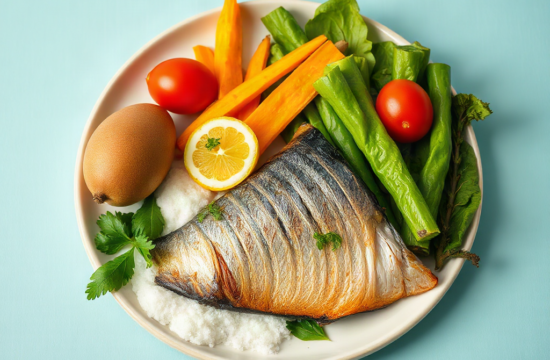
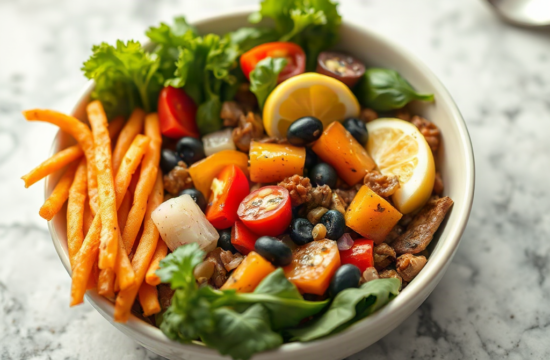
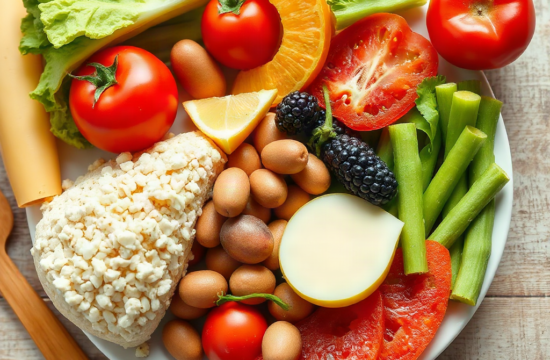
PCOS nutrition is more useful when it is organized around repeatable meal components rather than a list of supposedly perfect foods. A practical plate combines a substantial source of non-starchy vegetables, a protein food, a fiber-containing carbohydrate, and an unsaturated fat. That structure can slow digestion compared with eating refined carbohydrate by itself, while protein and fiber may improve fullness between meals.
For breakfast, that could mean plain Greek yogurt with oats, berries, walnuts, and cinnamon. Lunch might pair lentil soup with a large salad and whole-grain toast. Dinner could include salmon, roasted broccoli, brown rice, and olive oil. These combinations supply protein, fiber, iron, folate, magnesium, and unsaturated fats without requiring every meal to be low in carbohydrate.
PCOS is associated with insulin resistance in many, but not all, people who have the condition. A moderate serving of minimally processed carbohydrate is therefore often more practical than either an unrestricted portion or complete avoidance. Beans, intact whole grains, fruit, and starchy vegetables also contribute nutrients that are lost when carbohydrate restriction becomes excessively narrow. The response to a food depends on its portion and what accompanies it: a bowl of sweetened cereal differs substantially from oats served with yogurt, seeds, and berries.
Protein options should vary across the week. Fish provides protein and, in fatty varieties, omega-3 fats; beans and lentils contribute both protein and fermentable fiber; eggs, poultry, tofu, tempeh, and unsweetened dairy or fortified soy alternatives add further flexibility. Processed meats and heavily sweetened protein products are less useful as daily foundations because they can displace foods with more fiber and micronutrients.
A compact set of priorities keeps the Seven-day PCOS diet plan structure and nutrition manageable:
- Anchor: Include a recognizable protein source at each main meal.
- Volume: Add vegetables or whole fruit rather than relying on juice.
- Carbohydrate quality: Favor beans, oats, barley, quinoa, brown rice, or whole-grain bread most often.
- Fat quality: Use nuts, seeds, avocado, olive oil, or fish in measured amounts.
The common failure is treating the framework as a weight-loss formula with mandatory tiny servings. Energy needs vary, and an undersized lunch may lead to intense evening hunger. A better test is whether the meal produces comfortable fullness, steady concentration, and enough energy for normal activity without forcing constant food thoughts.
A Practical Seven-Day PCOS Menu
A useful seven-day menu repeats ingredients strategically while changing flavors and formats. Repetition reduces cost and preparation time; variation broadens nutrient intake and prevents the plan from becoming monotonous. The following schedule is an adaptable example, not a calorie prescription.
- Day 1: Have oats cooked with milk or fortified soy milk, topped with berries and pumpkin seeds. Choose a chickpea-and-vegetable bowl with quinoa for lunch. Serve baked salmon, broccoli, and a modest baked potato at dinner.
- Day 2: Start with eggs, sautéed spinach, and whole-grain toast. Use leftover salmon over greens with beans and an olive-oil dressing for lunch. Make chicken or tofu stir-fry with mixed vegetables and brown rice for dinner.
- Day 3: Combine plain yogurt, chopped pear, walnuts, and oats at breakfast. Eat lentil soup with a tomato-cucumber salad and whole-grain bread at lunch. Prepare turkey, bean, or soy crumble chili with avocado for dinner.
- Day 4: Blend unsweetened milk, berries, spinach, and yogurt or silken tofu; serve it with whole-grain toast if the smoothie alone is not filling. Reheat chili for lunch. Choose shrimp or edamame, soba noodles, and cabbage for dinner.
- Day 5: Make overnight oats with chia seeds and apple. Fill a whole-grain wrap with chicken, tofu, or hummus plus crunchy vegetables. Serve lentil pasta with tomato sauce, mushrooms, spinach, and a side salad at dinner.
- Day 6: Pair cottage cheese or a fortified soy alternative with fruit and nuts. Build lunch from leftover pasta and vegetables. Make fish tacos or black-bean tacos in corn tortillas with cabbage slaw, salsa, and avocado.
- Day 7: Cook a vegetable omelet with toast, or use a tofu scramble. Assemble a grain bowl with leftover vegetables, beans, and tahini-lemon sauce. Finish the week with roast chicken or tempeh, Brussels sprouts, and barley.
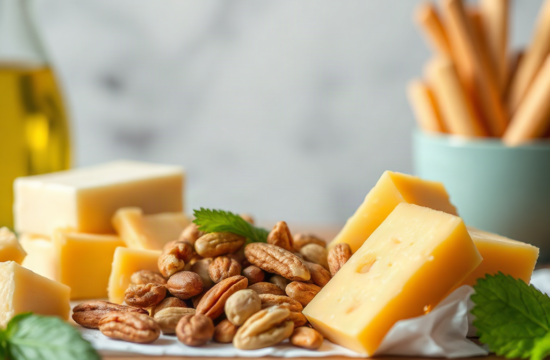
Snacks are optional rather than compulsory. Hunger between meals may justify an apple with peanut butter, vegetables with hummus, plain yogurt with berries, roasted chickpeas, or cheese with whole-grain crackers. A snack composed only of rapidly digested carbohydrate, such as crackers or sweets alone, may be less satisfying than one that also includes protein or fat.
Vegetarian and lower-cost adaptations are straightforward. Replace fish or poultry with beans, lentils, tofu, tempeh, or eggs, and use frozen vegetables and fruit when fresh produce is expensive or likely to spoil. Canned beans and fish can reduce preparation time; rinsing beans lowers some of the sodium. A misconception is that every ingredient must be fresh, organic, or marketed for hormone balance. Nutritionally useful staples can be frozen, canned, conventional, and inexpensive.
People with lactose intolerance can choose lactose-free dairy or fortified soy products. Gluten avoidance is not routinely necessary for PCOS unless a diagnosed condition or clear individual intolerance requires it. Substitutions should preserve the meal’s function: replacing yogurt with fruit alone removes much of the protein, whereas fortified soy yogurt plus nuts maintains a more comparable structure.
Adjust Portions, Carbohydrates, and Timing
Portion size should respond to hunger, activity, health goals, and clinical context rather than a universal PCOS serving chart. Someone who performs physically demanding work may need more grain, fruit, or starchy vegetables than someone with a sedentary day. A person taking glucose-lowering medication may also need professional guidance before sharply reducing carbohydrate or skipping meals.
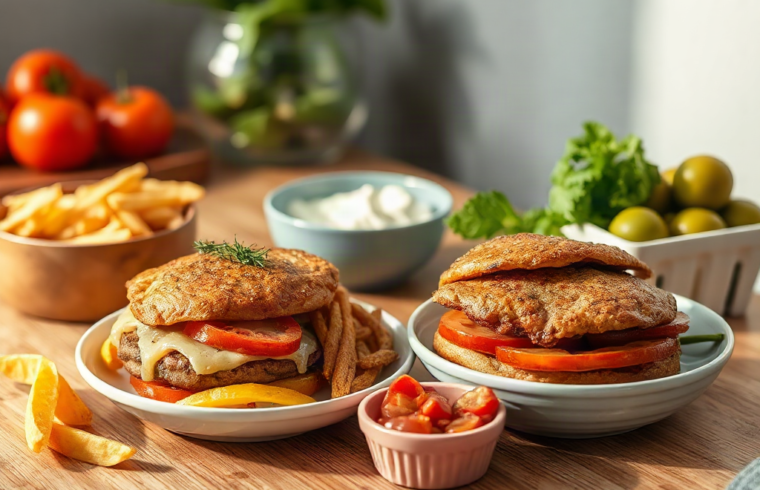
A reasonable starting plate is roughly half non-starchy vegetables, one quarter protein, and one quarter fiber-rich carbohydrate, with an appropriate amount of fat used in cooking or added at the table. This visual method is intentionally approximate. Mixed dishes such as chili, curry, soup, and grain bowls combine categories, so there is no benefit in forcing them into exact geometric divisions.
Carbohydrate distribution can matter as much as a daily total. A breakfast of sweetened coffee and a pastry concentrates refined carbohydrate while supplying little fiber or protein. Adding eggs or yogurt and choosing whole-grain toast or fruit changes both the nutrient profile and likely satiety. At dinner, a large restaurant pasta portion can be divided, then paired with vegetables and protein rather than treated as forbidden.
Regular eating times may help people who experience long gaps followed by urgent hunger. That does not mean everyone needs six eating occasions or must eat by the clock. Three meals may work well for one person, while another may prefer three smaller meals and one snack. Signs that timing needs adjustment include repeated shakiness, headaches, preoccupation with food, uncontrolled evening eating, or difficulty completing exercise. Those symptoms can have causes beyond food timing and warrant clinical evaluation if persistent.
Weight change is not the only measure of whether a Seven-day PCOS diet plan structure and nutrition pattern is useful. Readers can observe fullness, digestive comfort, energy, food cravings, meal preparation burden, and whether the menu supplies enough variety. Menstrual changes, fertility concerns, acne, or excess hair growth should be discussed with a qualified clinician rather than used as proof that a one-week menu is working or failing.
Very-low-carbohydrate eating may suit some preferences under appropriate supervision, but it is not the sole legitimate pattern for PCOS. It can make social eating, exercise fueling, fiber intake, and long-term adherence harder for some people. Conversely, merely labeling a diet “balanced” does not make oversized sweet drinks and refined snacks inconsequential. The useful middle ground is deliberate carbohydrate selection and realistic portions without assigning moral value to food.
Support Your Weight Loss Goals Huge Discount on the Best Certified Organic Nutrient Dense Supplement!
Shop, Prepare, and Evaluate the Plan
Successful weekly planning depends more on logistics than culinary novelty. Choose two breakfasts, two lunches, and three dinners that share ingredients, then schedule leftovers. For example, roasted vegetables can accompany salmon on Monday, fill a wrap on Tuesday, and become part of a grain bowl later in the week. Cooking quinoa, barley, or brown rice once can cover several meals if it is cooled promptly and stored safely.
A focused shopping basket might include eggs or tofu, plain yogurt or fortified soy yogurt, fish or poultry, canned beans, oats, one whole grain, whole-grain bread, several frozen vegetables, salad greens, seasonal fruit, nuts, olive oil, and herbs or spices. Buying every proposed ingredient separately raises cost and increases waste. Select one or two options from each category according to budget, culture, and availability.
Set aside one preparation period to wash produce, cook a grain, prepare a protein, and mix a simple dressing. Keep backup foods for disrupted days: canned lentil soup, frozen vegetables, microwaveable brown rice, tuna or chickpeas, and whole-grain toast can produce a balanced meal faster than ordering food. Convenience products are not automatically poor choices; compare added sugar, sodium, fiber, and protein while considering the entire day’s intake.
After seven days, evaluate the pattern with a short checklist:
- Were main meals filling for several hours without uncomfortable heaviness?
- Did the schedule fit work, caregiving, exercise, and medication routines?
- Which ingredients were wasted, too costly, or difficult to prepare?
- Did the menu provide vegetables, fruit, legumes or whole grains, and varied proteins?
- Did restriction trigger anxiety, guilt, binge eating, or persistent hunger?
A plan is failing operationally if it requires daily specialty shopping, excludes culturally important staples without reason, or leaves the person repeatedly hungry. Modify the weakest point first. If breakfast is rushed, prepare overnight oats or egg muffins; if lunch lacks protein, add beans, tuna, tofu, or leftover chicken; if evening hunger is strong, reassess lunch size and consider a planned afternoon snack.
Nutrition does not replace medical management for PCOS. A registered dietitian or qualified clinician can tailor intake for diabetes or prediabetes, pregnancy, fertility treatment, kidney disease, gastrointestinal disorders, food allergies, or a history of disordered eating. Anyone using insulin or other glucose-lowering drugs should ask about meal changes that could affect blood glucose. The most durable version of the Seven-day PCOS diet plan structure and nutrition is one that can be adjusted without abandoning its basic nutrient balance.
Frequently Asked Questions
Do people with PCOS need to avoid carbohydrates?
No. Many people can include beans, whole grains, fruit, and starchy vegetables in suitable portions. Pairing them with protein, fiber, and unsaturated fat may produce a more satisfying meal than eating refined carbohydrate alone.
Is a snack required between every meal?
No. Use snacks when hunger, long gaps, exercise, or medication routines justify them. A combination such as fruit with nuts or yogurt with berries is generally more substantial than a carbohydrate-only snack.
Can the seven-day plan be vegetarian?
Yes. Beans, lentils, tofu, tempeh, eggs, and fortified soy foods can replace meat or fish. Rotate these foods and include iron-, calcium-, and protein-rich choices across the week.
Will this menu treat PCOS symptoms?
No menu should be treated as a cure or guaranteed therapy. Nutrition may support metabolic health and daily symptom management, but PCOS assessment and treatment require individualized clinical care.
How should the plan change for insulin resistance?
Emphasize fiber-rich carbohydrate, balanced combinations, and portions appropriate to individual needs. People taking glucose-lowering medication should coordinate substantial carbohydrate or timing changes with their clinician.
Conclusion
A workable PCOS menu should survive ordinary constraints: limited time, variable hunger, grocery costs, family meals, and changing schedules. Begin with balanced plates, repeat versatile ingredients, and adjust carbohydrate portions or snack timing based on appetite, activity, and medical needs. After one week, keep the combinations that were filling and convenient, replace foods that caused waste or discomfort, and correct meals that consistently left you hungry. Avoid interpreting short-term scale changes or symptoms as proof that a particular food has fixed or worsened PCOS. People managing diabetes, fertility treatment, pregnancy, medication effects, or disordered eating concerns should take the template to a registered dietitian or clinician for personalization rather than imposing stricter rules on their own.
Support Your Weight Loss Goals
HUGE DISCOUNT ON THE BEST CERTIFIED ORGANIC NUTRIENT DENSE SUPPLEMENT!
Related Content
- Midlife Metabolism: Understanding Hormones, Weight, and Energy
- Avoiding the Pitfalls: The Most Common Dieting Mistakes That Prevent Weight Loss and How to Overcome Them
- How to Build Confidence Through Weight Loss
- Weight Loss-The Right Way To Take It Off
- How to Track Progress Beyond the Scale When Dieting: Effective Methods and Real-World Outcomes