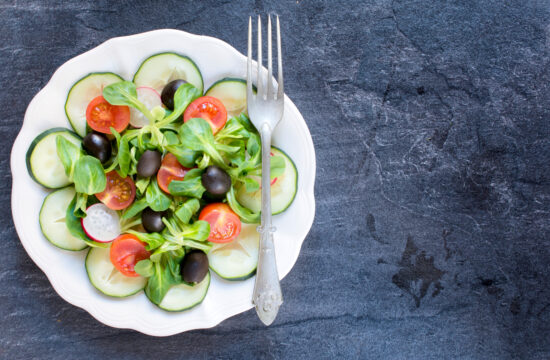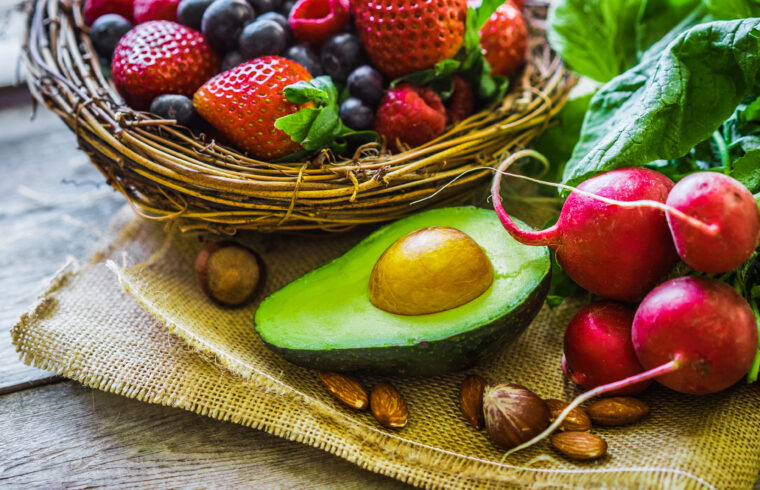
To create a diet that works effectively, it’s crucial to customize your plan to fit your unique preferences, lifestyle, and nutritional needs. A successful diet should not only help you achieve your weight loss or health goals but also be sustainable over the long term. This means focusing on whole foods, understanding portion sizes, and incorporating a variety of nutrients while avoiding overly restrictive measures.
Many people fail in their dieting efforts because they adopt extreme measures rather than making gradual changes. Common pitfalls include cutting out entire food groups, which can lead to cravings and eventual bingeing. Instead, aim for a balanced approach, where you can enjoy your favorite foods in moderation while prioritizing healthier options most of the time.
Understanding Your Nutritional Needs
The first step in creating a diet that works is understanding your individual nutritional requirements. These vary based on factors such as age, gender, activity level, and specific health goals. For instance, someone looking to lose weight may need fewer calories than someone maintaining their weight.
To determine your needs, consider consulting a registered dietitian or using online tools that calculate your daily caloric intake and macronutrient distribution. This foundational knowledge will guide you in making informed choices about what to eat and how much.
Building a Meal Plan
A structured meal plan is essential for a successful diet. Start by listing your favorite healthy foods and incorporating them into your weekly meals. Aim for a variety of proteins, whole grains, fruits, and vegetables to ensure you get a broad range of nutrients.
When creating your meal plan, consider preparing meals in advance to avoid the temptation of unhealthy options during busy days. Meal prepping can also save time and help you stick to your dietary goals.
Incorporating Physical Activity
Physical activity is a vital component of any successful diet. Regular exercise helps boost metabolism, maintains muscle mass, and supports overall health. Aim for a combination of cardio and strength training to optimize your results.
Find activities you enjoy to make exercise feel less like a chore. Whether it’s dancing, cycling, or walking, consistent movement enhances your diet’s effectiveness and contributes to a healthier lifestyle.
Monitoring Your Progress
Tracking your progress is crucial for staying motivated and making necessary adjustments to your diet. Keep a food diary or use a mobile app to log your meals and exercise. This accountability can help you identify patterns and areas for improvement.
Support Your Weight Loss Goals
Huge Discount on the Best Certified Organic Nutrient Dense Supplement!
Additionally, consider setting realistic short-term and long-term goals to keep yourself focused. Celebrate small victories to maintain motivation and recognize your hard work.
For those seeking more information on nutrition and diet planning, consider consulting reputable sources such as the ChooseMyPlate.gov website, which offers valuable resources and tools for healthy eating.
Further Reading
Authoritative Sources
- NIH Office of Dietary Supplements
ods.od.nih.govEvidence-based information on vitamins, minerals, supplements, and nutrition-related questions.
- USDA FoodData Central
fdc.nal.usda.govUSDA nutrient data for foods and ingredients used in nutrition decisions.
- Harvard T.H. Chan School of Public Health Nutrition Source
hsph.harvard.eduPublic health nutrition guidance and educational resources.
Frequently Asked Questions
What should I include in my diet?
Focus on whole foods, including fruits, vegetables, lean proteins, whole grains, and healthy fats.
How can I stay motivated on my diet?
Set realistic goals, track your progress, and celebrate small achievements to maintain motivation.
Is it necessary to count calories?
While not mandatory, tracking calories can help you understand your intake and make informed decisions.
How often should I exercise?
Aim for at least 150 minutes of moderate aerobic activity each week, along with strength training at least twice.
Can I eat my favorite foods on a diet?
Yes, moderation is key. You can enjoy your favorite foods while prioritizing healthier options.
Conclusion
Creating a diet that works requires understanding your unique nutritional needs, building a meal plan that fits your lifestyle, and incorporating regular physical activity. By monitoring your progress and making adjustments as needed, you can achieve lasting success. Remember, the key is to create a sustainable approach that allows for flexibility, enjoyment, and health.