To achieve effective dieting results, focus on balanced nutrition and portion control. Many people often overlook the importance of incorporating whole foods into their diets, which are essential for both satisfaction and nutritional value. By prioritizing gradual changes rather than drastic diets, individuals can establish sustainable habits that yield better long-term outcomes. Additionally, addressing emotional eating can significantly enhance dieting success.
Understanding the common pitfalls in dieting is crucial for improving results. Many dieters mistakenly believe that cutting out entire food groups is necessary for weight loss, which can lead to nutrient deficiencies and a negative relationship with food. Instead, incorporating a variety of nutrient-dense foods can promote better health and maintain motivation. Furthermore, tracking progress through mindful practices can help identify patterns and maintain accountability.
The Importance of Whole Foods
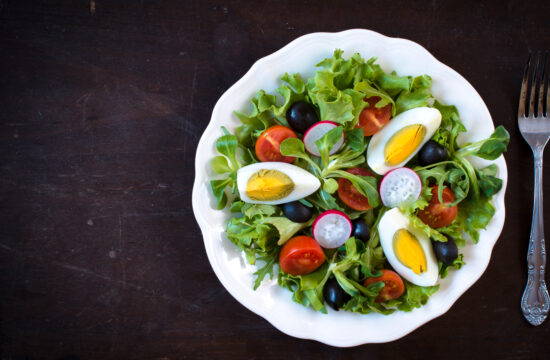
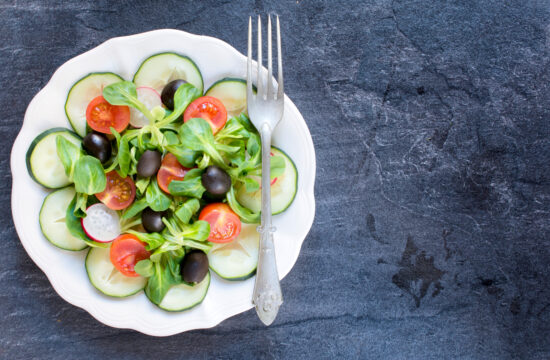
Whole foods are unprocessed items that retain their natural nutrients, such as fruits, vegetables, whole grains, and lean proteins. Including these foods in your diet provides essential vitamins and minerals that support overall health. They also tend to be lower in calories and higher in fiber, which can help with satiety and weight management.
Incorporating a variety of whole foods into your meals can prevent boredom and enhance your nutrient intake. Plan meals around seasonal produce to ensure freshness and flavor. Additionally, experimenting with different cooking methods can make healthy eating more enjoyable. For instance, grilling vegetables can bring out their natural sweetness, making them more appealing.
Portion Control: A Key Factor
Portion control is vital for effective dieting, as it helps individuals manage their calorie intake without feeling deprived. Many people underestimate the amount of food they consume, which can lead to unintended weight gain. Utilizing smaller plates and measuring portions can aid in developing a better understanding of appropriate serving sizes.
In addition to visual cues, being mindful while eating—such as chewing slowly and savoring each bite—can enhance the dining experience and prevent overeating. Keeping a food diary can also help track portions and identify triggers for overeating, allowing for adjustments to be made as needed.
Emotional Eating and Its Impact
Emotional eating is a common challenge that can derail dieting efforts. Many people turn to food for comfort during stressful situations, leading to unhealthy choices and overeating. Recognizing the emotional triggers that lead to this behavior is essential for developing healthier coping mechanisms.
To combat emotional eating, consider alternative activities that promote relaxation and reduce stress, such as exercise, meditation, or journaling. Building a support network can also provide encouragement and accountability, helping individuals stay on track with their dieting goals.
Common Mistakes in Dieting
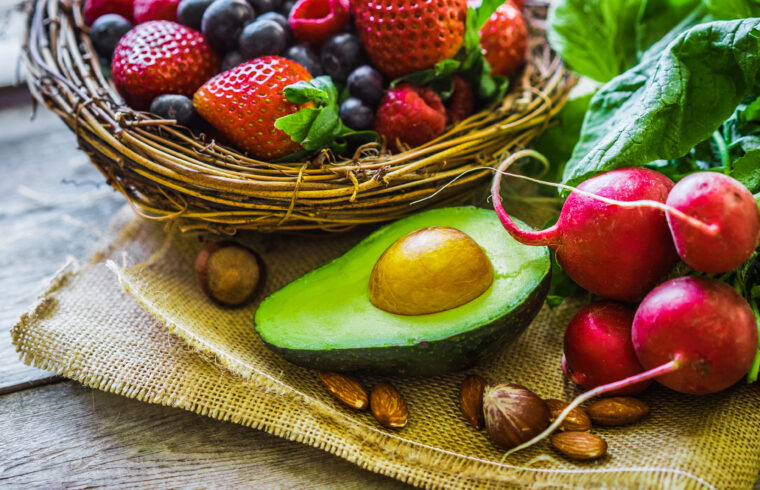
Several common mistakes can hinder dieting success. One prevalent issue is the misconception that all fats are bad; healthy fats from sources like avocados, nuts, and olive oil are crucial for overall health. Another mistake is relying solely on supplements instead of focusing on whole foods for nutrition.
Support Your Weight Loss Goals
Huge Discount on the Best Certified Organic Nutrient Dense Supplement!
Additionally, setting unrealistic goals can lead to disappointment and frustration. Instead of aiming for rapid weight loss, focus on achievable milestones that encourage long-term change. Remember that consistency is more important than perfection, and small, sustainable changes can lead to significant results over time.
Further Reading
Authoritative Sources
- ChooseMyPlate.gov
choosemyplate.govThis resource provides guidelines for balanced nutrition and portion control to support healthy eating
- EatRight.org
eatright.orgA comprehensive site featuring nutrition advice, meal planning tips, and resources for healthy living
Frequently Asked Questions
What are the best foods for dieting?
The best foods for dieting include whole grains, lean proteins, fruits, and vegetables, as they provide essential nutrients while helping to control hunger.
How can I control portion sizes?
Controlling portion sizes can be achieved by using smaller plates, measuring servings, and being mindful while eating to prevent overeating.
What is emotional eating?
Emotional eating is the practice of consuming food in response to feelings rather than hunger, often leading to unhealthy food choices.
How can I avoid common dieting mistakes?
Avoid common dieting mistakes by focusing on whole foods, setting realistic goals, and being aware of emotional triggers that lead to overeating.
How can I maintain my diet long-term?
Maintaining a diet long-term involves making gradual changes, focusing on balanced nutrition, and allowing for flexibility to prevent burnout.
Conclusion
To improve dieting results, focus on integrating whole foods, practicing portion control, and addressing emotional eating. Avoid common pitfalls by setting realistic goals and being aware of the importance of sustainable habits. By prioritizing gradual changes and seeking support when needed, individuals can achieve lasting success in their dieting journey.