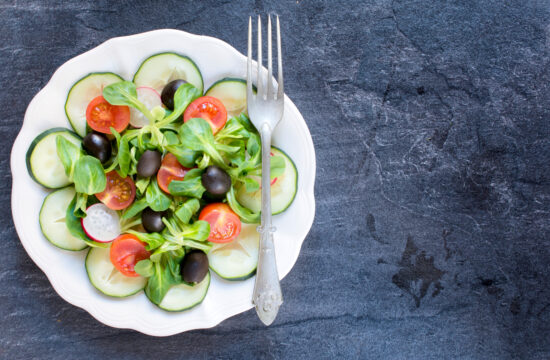
To build a sustainable diet, focus on incorporating a variety of whole, nutrient-rich foods into your meals while balancing macronutrients. This approach helps ensure that you’re not only meeting your health needs but also enjoying the foods you eat. Prioritizing fresh produce, whole grains, lean proteins, and healthy fats lays a solid foundation for a diet that can be maintained over the long term.
One common mistake many people make is opting for overly restrictive diets that are difficult to maintain. Instead, aim for a balanced approach that allows for flexibility and the enjoyment of a wide range of foods. This means being mindful of portion sizes while still indulging in your favorite treats occasionally. A sustainable diet should not feel like a chore; it should be enjoyable and satisfying.
Understanding Nutritional Balance
A nutritionally balanced diet consists of the right proportions of carbohydrates, proteins, and fats. Each macronutrient plays a critical role in maintaining health and energy levels. Carbohydrates provide energy, proteins support muscle repair and growth, and healthy fats are essential for nutrient absorption and hormone production. Striking a balance among these macronutrients can help you feel satisfied and energized.
To achieve this balance, consider using the plate method: fill half your plate with vegetables and fruits, a quarter with lean proteins, and a quarter with whole grains. This visual approach simplifies meal preparation and ensures you’re getting a variety of nutrients in each meal. Additionally, being aware of your individual dietary needs can help tailor your balance for optimal health.
Incorporating Whole Foods
Whole foods, such as fruits, vegetables, nuts, seeds, whole grains, and lean proteins, should form the cornerstone of your diet. These foods are less processed and typically contain higher nutrient levels compared to their refined counterparts. Incorporating a diverse range of whole foods can enhance flavor, texture, and overall satisfaction in your meals.
To make this transition easier, consider stocking your kitchen with whole foods and planning snacks around them. For instance, keep fresh fruit, nuts, or yogurt available for quick snacks. This not only makes healthy eating more convenient but also reduces the temptation to reach for processed snacks that can derail your dietary goals.
Meal Planning for Success
Meal planning is a vital practice for building a sustainable diet. By planning your meals in advance, you can ensure that you have the necessary ingredients on hand to prepare healthy meals, reducing the likelihood of opting for less nutritious options in moments of hunger. It also allows you to experiment with new recipes and ingredients.
Start by dedicating a specific time each week to plan your meals. Create a grocery list based on your meal plan to streamline shopping. Having a variety of recipes that emphasize whole foods will keep your meals exciting and prevent monotony. This proactive approach can significantly improve your adherence to a sustainable diet.
Support Your Weight Loss Goals
Huge Discount on the Best Certified Organic Nutrient Dense Supplement!
Mindful Eating Practices
Mindful eating involves being present during meals and paying attention to your hunger and fullness cues. This practice can help you enjoy your food more and prevent overeating. By slowing down and savoring each bite, you become more attuned to your body’s needs and can make better choices regarding portion sizes.
To practice mindful eating, try to eliminate distractions during meals, such as watching TV or scrolling through your phone. Focus on the flavors, textures, and aromas of your food. This not only enhances your dining experience but can also lead to greater satisfaction and a more sustainable relationship with food.
Further Reading
Authoritative Sources
- NIH Office of Dietary Supplements
ods.od.nih.govEvidence-based information on vitamins, minerals, supplements, and nutrition-related questions.
- USDA FoodData Central
fdc.nal.usda.govUSDA nutrient data for foods and ingredients used in nutrition decisions.
- Harvard T.H. Chan School of Public Health Nutrition Source
hsph.harvard.eduPublic health nutrition guidance and educational resources.
Frequently Asked Questions
What is a sustainable diet?
A sustainable diet is one that meets nutritional needs while being environmentally friendly and economically viable, focusing on whole foods and minimizing processed items.
How can I start a sustainable diet?
Begin by incorporating more whole, nutrient-dense foods into your meals, planning your meals, and practicing mindful eating.
What are the benefits of a sustainable diet?
A sustainable diet can lead to better health outcomes, improved energy levels, and a reduced environmental footprint by promoting local and seasonal foods.
Can I still enjoy my favorite foods on a sustainable diet?
Yes, a sustainable diet allows for flexibility; you can enjoy your favorite foods in moderation while prioritizing whole foods.
How often should I plan my meals?
Planning meals weekly is ideal, as it helps you stay organized and ensures you have healthy options readily available.
Conclusion
Building a sustainable diet is about making informed food choices that prioritize health and well-being. Focus on incorporating whole foods, balancing macronutrients, and practicing mindful eating. By planning meals and being flexible in your approach, you can create a diet that is enjoyable and sustainable over the long term. Remember, the key is to find what works best for you and to make adjustments as needed.